

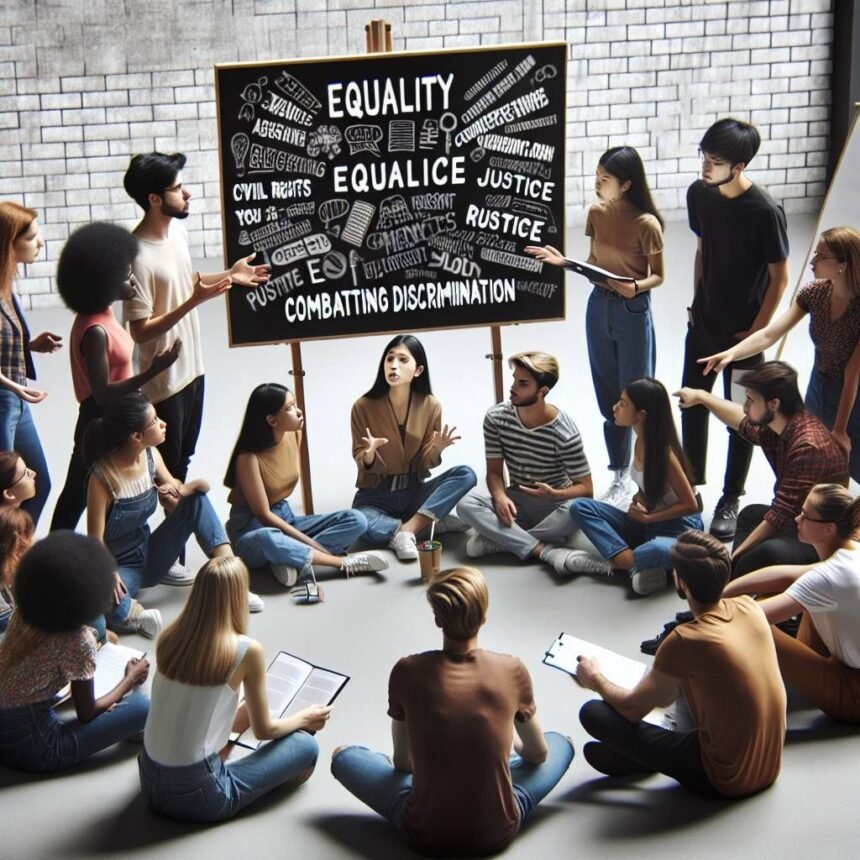
Young people have long played a powerful role in shaping political movements and social transformation across the world. From protests against injustice to campaigns for democracy, climate action, education reform, and human rights, youth movements have influenced governments and challenged existing systems throughout history.
In the modern era, globalization and digital communication have amplified the voices of younger generations. Social media platforms, online activism, and global networks allow youth to organize rapidly, spread awareness, and mobilize support beyond national borders. As societies face economic uncertainty, climate change, inequality, and political polarization, young people are increasingly becoming central figures in political change worldwide.
Historical Importance of Youth Movements
Throughout history, youth movements have contributed to major political and social transformations. Student-led protests and youth activism played important roles in anti-colonial struggles, civil rights movements, and campaigns against authoritarian governments.
During the 20th century, young activists participated in movements against racial segregation, war, and political oppression in many countries. Their energy, idealism, and willingness to challenge traditional authority often made youth groups catalysts for reform.
In many cases, youth participation pushed governments to reconsider policies and respond to public demands for justice and equality.
Why Youth Are Politically Influential
Energy and Innovation
Young people often bring fresh perspectives and creative ideas to political discussions. They are generally more open to social change and technological innovation, which allows them to challenge outdated systems and propose new solutions.
Strong Desire for Change
Youth are directly affected by issues such as unemployment, education quality, climate change, and economic inequality. Because these challenges shape their future, many young people feel motivated to demand reforms.
Digital Connectivity
Modern technology has significantly increased the political influence of youth. Social media platforms enable rapid communication, fundraising, and organization of campaigns and protests.
Online activism allows young people to spread messages globally and connect with like-minded individuals across cultures and borders.
Youth and Democratic Participation
Voting and Civic Engagement
Young voters can influence election outcomes and public policy decisions. In many countries, political parties increasingly focus on youth concerns to gain electoral support.
Youth participation also extends beyond voting. Community service, public debates, student organizations, and social campaigns all contribute to democratic engagement.
Protests and Social Movements
Youth-led demonstrations have become a major force in modern political activism. Students and young activists often organize protests related to corruption, human rights, racial equality, gender justice, and environmental protection.
These movements frequently gain international attention through digital media and can pressure governments to respond to public demands.
Advocacy for Climate Action
Climate activism has become one of the most visible forms of youth political engagement. Young activists argue that environmental policies directly affect future generations and therefore require urgent action.
Global climate demonstrations organized by students and youth groups have influenced international discussions on sustainability and environmental responsibility.
Challenges Faced by Young Activists
Political Exclusion
In some societies, young people face barriers to political participation. Limited access to leadership positions, lack of representation, and restrictive laws may reduce youth influence in decision-making processes.
Economic Pressures
High unemployment rates and financial insecurity can make political participation difficult for many young people. Economic challenges may force individuals to focus more on survival than activism.
Digital Risks and Misinformation
Although social media supports activism, it also creates risks. False information, online harassment, surveillance, and digital manipulation can weaken political movements and create confusion.
Young activists may also face censorship or legal consequences in countries with strict political controls.
Mental and Emotional Strain
Continuous activism and exposure to political conflict can create emotional exhaustion and stress. Burnout among youth activists has become an increasing concern in highly polarized political environments.
The Global Impact of Youth Movements
Youth-led activism has influenced political systems in many parts of the world. In some countries, youth movements have contributed to democratic reforms, anti-corruption campaigns, and constitutional changes.
International organizations increasingly recognize the importance of youth participation in governance, peacebuilding, and sustainable development. Young leaders are also becoming more visible in global forums related to climate policy, education, and human rights.
The ability of youth movements to attract international solidarity through digital communication has made local political issues part of global conversations.
Education and Political Awareness
Education plays a major role in developing politically active citizens. Schools and universities often serve as spaces where young people discuss political ideas, social justice, and civic responsibility.
Access to information and critical thinking skills can strengthen democratic participation and encourage informed political engagement. However, unequal access to education may limit opportunities for youth involvement in some regions.
Digital literacy has also become essential in helping young people recognize misinformation and participate responsibly in online political discussions.
The Future of Youth Political Participation
The future of political change will likely continue to involve strong youth participation. As younger generations become more connected and educated, their influence on public policy and social values may expand further.
Technological advancements, demographic shifts, and global challenges such as climate change and economic inequality will likely keep youth activism at the center of political debate.
Governments, institutions, and societies that encourage meaningful youth participation may benefit from greater innovation, social inclusion, and democratic resilience.
Conclusion
Young people remain one of the most influential forces in political and social transformation. Their activism, creativity, and determination continue to shape conversations about democracy, equality, sustainability, and human rights across the world.
Although youth movements face obstacles such as political exclusion, economic hardship, and digital misinformation, their role in driving change remains significant. In an increasingly interconnected world, the voices of younger generations are likely to play an even greater role in shaping the future of global politics.
FAQs
Why are young people important in politics?
Young people bring new ideas, energy, and perspectives to political systems. They also represent future generations affected by current policies.
How has social media changed youth activism?
Social media allows young activists to organize campaigns, share information, and mobilize supporters quickly across national and international networks.
What issues are most important to youth movements today?
Common issues include climate change, education, unemployment, racial equality, gender rights, corruption, and democratic reforms.
Can youth movements influence governments?
Yes. Youth-led protests, voting participation, and public campaigns can pressure governments to adopt reforms or change policies.
What challenges do young activists face?
Challenges include political exclusion, financial difficulties, misinformation, censorship, online harassment, and emotional burnout.
Why is education important for political participation?
Education improves political awareness, critical thinking, and understanding of civic responsibilities, helping young people engage more effectively in society.
How do youth contribute to democracy?
Youth contribute through voting, activism, public discussions, volunteer work, and participation in community and political organizations.
What is digital activism?
Digital activism involves using online platforms and social media to promote political causes, organize movements, and spread awareness.
Are youth movements always successful?
Not always. Some movements face resistance, repression, or internal challenges, but many still influence public debate and long-term social change.
What is the future of youth political engagement?
Youth participation is expected to grow as technology, education, and global communication continue to expand opportunities for political involvement.