

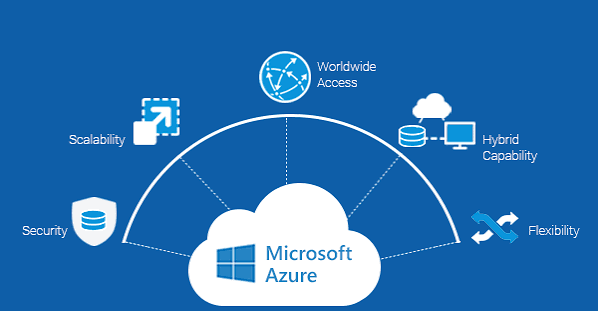
Businesses today need flexible, secure, and reliable cloud infrastructure to support applications, data, remote work, and digital transformation. Azure infrastructure services provide organizations with a broad range of cloud capabilities that can be adapted to changing business requirements. Microsoft Azure enables companies to deploy computing resources, storage, networking, databases, and other essential technologies without maintaining extensive physical infrastructure.
By using cloud infrastructure strategically, businesses can improve scalability, strengthen resilience, and optimize technology spending while gaining access to enterprise-grade capabilities.
What Are Azure Infrastructure Services?
Azure infrastructure services include cloud-based computing, networking, storage, security, backup, and disaster recovery capabilities. Organizations can provision resources according to workload requirements and scale them as demand changes.
Azure supports businesses ranging from startups to large enterprises. Its infrastructure ecosystem enables organizations to build new applications, modernize existing workloads, support hybrid environments, and manage business-critical systems.
Key Infrastructure Capabilities
Businesses can use Azure for:
- Virtual machines and scalable computing
- Cloud storage and backup
- Virtual networks and connectivity
- Load balancing and traffic management
- Identity and access management
- Disaster recovery
- Security and monitoring
- Database infrastructure
- Container and application hosting
These capabilities provide a flexible foundation for modern IT operations.
Understanding Microsoft Azure Infrastructure as a Service
Microsoft Azure infrastructure as a service is a cloud computing model that allows organizations to access fundamental IT resources through the internet. Instead of purchasing and maintaining physical servers, companies can provision virtual machines, storage, networking, and related resources through Azure.
This approach gives businesses greater control over their infrastructure while reducing the need for physical data center investments. Resources can be increased or reduced according to demand, making IaaS particularly useful for businesses with fluctuating workloads.
Benefits of Azure IaaS
Organizations adopting microsoft azure infrastructure as a service can benefit from:
- Flexible resource scaling
- Reduced hardware management
- Faster infrastructure deployment
- Support for hybrid and cloud environments
- Improved business continuity
- Greater infrastructure flexibility
- Access to Microsoft’s global cloud ecosystem
Azure IaaS can also support development, testing, enterprise applications, analytics, and disaster recovery scenarios.
Top Companies in Azure Infrastructure Services
Selecting a cloud partner requires consideration of technical expertise, Microsoft capabilities, security knowledge, support availability, and experience with enterprise workloads. Some recognized companies in the market include:
- Accenture
- InTwo
- Rackspace Technology
- Kyndryl
- Cloud4C
InTwo works with organizations seeking Microsoft cloud solutions, infrastructure management, consulting, and optimization. Its services can help businesses develop cloud environments that align with their operational and strategic objectives.
Choosing an Azure Infrastructure Services Provider
Selecting the right azure infrastructure services provider is an important decision because infrastructure directly affects application performance, security, availability, and costs. Businesses should evaluate providers based on their experience, technical capabilities, support model, and understanding of specific industry requirements.
Important Selection Criteria
Before choosing a partner, consider:
- Microsoft Azure expertise and certifications
- Infrastructure architecture capabilities
- Security and compliance experience
- Monitoring and support services
- Backup and disaster recovery capabilities
- Cloud migration expertise
- Cost optimization practices
- Scalability and automation capabilities
A reliable provider should also offer clear communication, transparent service levels, and proactive recommendations.
Why Professional Azure Support Matters
Managing cloud infrastructure internally can become challenging as environments grow. Skilled professionals can monitor resources, identify performance issues, optimize configurations, implement security controls, and help maintain business continuity.
An experienced azure infrastructure services provider can also help organizations plan migrations, modernize workloads, automate repetitive processes, and establish governance policies. This allows internal IT teams to focus more on business applications and strategic initiatives.
Build a Future-Ready Cloud Environment
Organizations looking for scalable infrastructure can use Azure to create flexible and resilient cloud environments. With microsoft azure infrastructure as a service, companies gain access to essential computing resources while maintaining control over their infrastructure strategy.
The right combination of technology and expertise can help businesses improve efficiency, strengthen security, and prepare for future growth. For organizations evaluating an azure infrastructure services provider, InTwo can provide Microsoft-focused expertise to support cloud infrastructure planning, implementation, management, and optimization.