

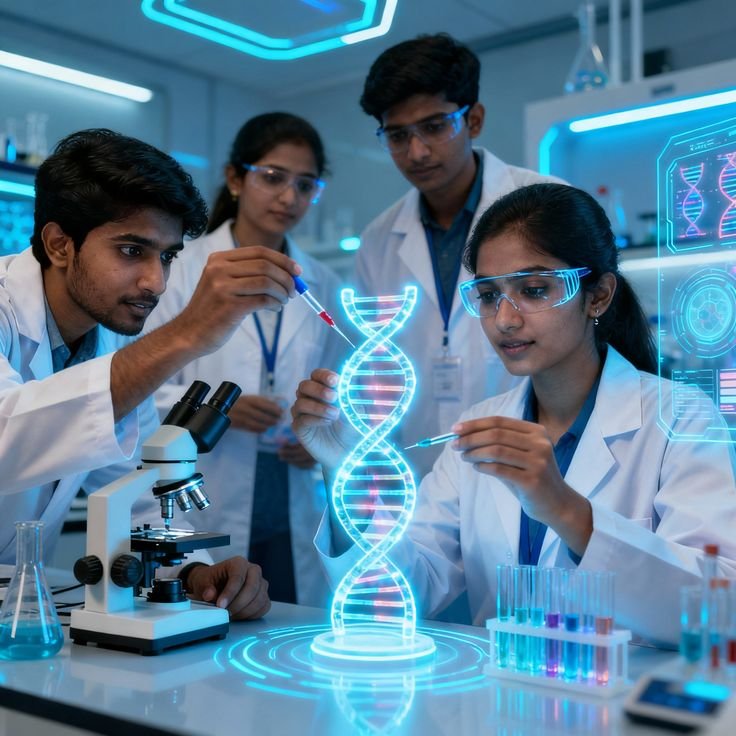
Biotechnology and genetic engineering are among the most transformative fields of modern science. By combining biology with advanced technology, these disciplines have revolutionized healthcare, agriculture, environmental conservation, and industrial production. As scientific discoveries continue to accelerate, biotechnology and genetic engineering are expected to play an even greater role in shaping the future of humanity. From curing genetic diseases to enhancing food security, these innovations hold immense potential for improving lives around the world.
Understanding Biotechnology and Genetic Engineering
Biotechnology involves the use of living organisms, biological systems, or biological processes to develop products and technologies that benefit society. It has applications in medicine, agriculture, environmental management, and manufacturing.
Genetic engineering is a specialized branch of biotechnology that involves modifying an organism’s genetic material. Scientists can add, remove, or alter specific genes to achieve desired traits or outcomes. Advances in gene-editing technologies have made genetic engineering more precise and efficient than ever before.
Transforming Healthcare
One of the most promising areas for biotechnology is healthcare. Researchers are developing innovative treatments for diseases that were once considered incurable. Gene therapy offers the possibility of correcting defective genes responsible for inherited disorders, while personalized medicine allows treatments to be tailored to an individual’s genetic makeup.
Biotechnology is also accelerating vaccine development, improving diagnostic tools, and supporting the creation of targeted therapies for conditions such as cancer, cardiovascular diseases, and rare genetic disorders. Future breakthroughs may enable earlier disease detection and more effective treatment strategies.
Advancements in Agriculture
Global population growth has increased the demand for food production. Biotechnology and genetic engineering are helping farmers meet this challenge by developing crops that are more productive, nutritious, and resistant to pests, diseases, and environmental stress.
Scientists are creating plant varieties that can thrive in drought-prone regions, tolerate extreme weather conditions, and require fewer chemical inputs. These innovations can contribute to food security while reducing the environmental impact of agriculture.
Environmental Applications
Biotechnology is playing an important role in addressing environmental challenges. Researchers are exploring ways to use microorganisms to clean polluted soil and water through a process known as bioremediation. Genetically engineered organisms may also help reduce waste and improve resource efficiency.
Additionally, biotechnology is supporting the development of renewable energy sources such as biofuels, which can provide alternatives to fossil fuels and help reduce greenhouse gas emissions. As environmental concerns grow, biotechnology is expected to become a key tool in promoting sustainability.
Industrial and Economic Impact
Biotechnology is transforming industries beyond healthcare and agriculture. Companies are using biological processes to manufacture chemicals, materials, and consumer products more efficiently and sustainably. Bio-based production methods often consume fewer resources and generate less pollution than traditional manufacturing processes.
The biotechnology sector is also creating new economic opportunities through research, innovation, and entrepreneurship. As investment in biotechnology continues to grow, the industry is expected to contribute significantly to global economic development.
Ethical and Social Considerations
Despite its many benefits, biotechnology and genetic engineering raise important ethical and social questions. Concerns exist regarding genetic privacy, potential misuse of gene-editing technologies, and the long-term effects of modifying living organisms.
The possibility of altering human embryos, for example, has sparked debates about the boundaries of scientific intervention. Policymakers, scientists, and society must work together to establish regulations that promote innovation while ensuring safety and ethical responsibility.
Emerging Technologies and Future Prospects
The future of biotechnology is closely linked to advances in artificial intelligence, data analytics, and synthetic biology. Scientists are increasingly using computational tools to analyze genetic information, predict biological outcomes, and accelerate research.
Synthetic biology may enable the design of entirely new biological systems with customized functions. Future developments could lead to breakthroughs in disease prevention, environmental restoration, and sustainable manufacturing. As technology evolves, biotechnology is likely to become an even more integrated part of everyday life.
Challenges Ahead
Several challenges must be addressed before the full potential of biotechnology can be realized. Research and development costs remain high, regulatory approval processes can be lengthy, and public concerns about safety and ethics continue to influence adoption.
International cooperation will be essential to ensure that biotechnology benefits are distributed fairly and that global standards are maintained. Balancing innovation with responsibility will remain a critical priority for governments, researchers, and industry leaders.
Conclusion
Biotechnology and genetic engineering are shaping the future of science, medicine, agriculture, and industry. Their potential to solve complex global challenges is enormous, offering opportunities to improve health, enhance food production, protect the environment, and drive economic growth. However, these advancements must be guided by ethical principles, effective regulation, and public engagement. As research continues to advance, biotechnology is poised to become one of the defining forces of the twenty-first century.
Frequently Asked Questions (FAQs)
1. What is biotechnology?
Biotechnology is the use of living organisms, biological systems, or biological processes to develop products and technologies that improve human life and address societal challenges.
2. What is genetic engineering?
Genetic engineering is a branch of biotechnology that involves modifying an organism’s DNA to introduce, remove, or alter specific traits.
3. How can biotechnology improve healthcare?
Biotechnology supports the development of gene therapies, personalized medicine, vaccines, advanced diagnostics, and targeted treatments for various diseases.
4. What role does biotechnology play in agriculture?
It helps create crops that are more productive, resistant to pests and diseases, and capable of growing in challenging environmental conditions.
5. What are the environmental benefits of biotechnology?
Biotechnology can support pollution cleanup, renewable energy production, waste reduction, and sustainable resource management.
6. What are the ethical concerns surrounding genetic engineering?
Ethical concerns include genetic privacy, potential misuse of technology, unintended consequences, and debates over human genetic modification.
7. How might biotechnology evolve in the future?
Future developments may include advanced gene editing, synthetic biology, personalized healthcare solutions, and innovative approaches to environmental sustainability.
8. Why is regulation important in biotechnology?
Regulation helps ensure safety, ethical compliance, environmental protection, and responsible use of emerging biotechnological innovations.