

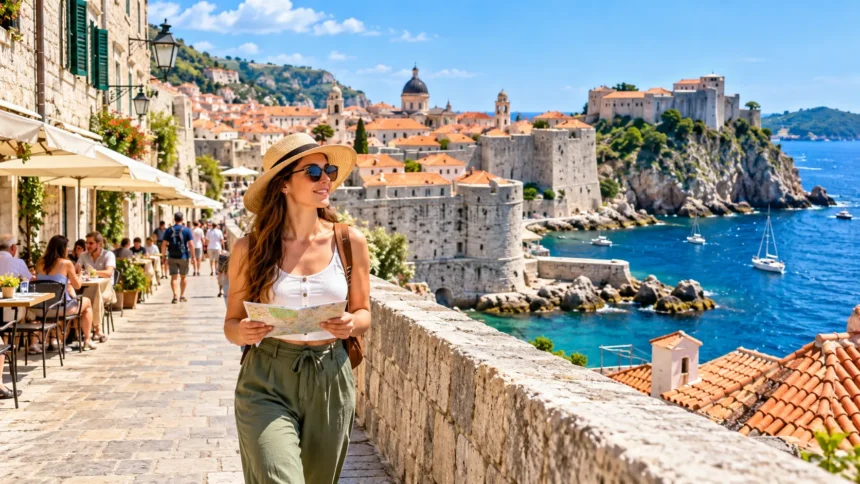
Croatia is one of Europe’s most beautiful travel destinations, famous for its stunning Adriatic coastline, historic cities, picturesque islands, and breathtaking national parks. From the medieval streets of Dubrovnik to the scenic waterfalls of Plitvice Lakes, the country attracts travelers seeking unforgettable cultural and natural experiences. However, before planning a vacation, many visitors ask an important question: Is Croatia safe to visit?
The good news is that Croatia is generally considered a safe destination for international tourists. Violent crime is relatively uncommon, major tourist areas have established transportation and hospitality services, and the country offers a welcoming atmosphere for visitors. Nevertheless, travelers should remain aware of common tourist scams, petty theft, road safety issues, and seasonal environmental hazards.
This comprehensive Croatia travel safety guide explains everything visitors should know about personal security, tourist destinations, transportation, beaches, accommodation, and emergency assistance. It also covers safety considerations for solo travelers, families, and first-time visitors. With appropriate preparation and sensible precautions, travelers can enjoy Croatia’s remarkable attractions while reducing avoidable risks.
Is Croatia Safe to Visit in 2026?
Yes, Croatia is generally safe to visit in 2026, according to current international travel guidance. The United States Department of State classifies Croatia as Level 1, meaning travelers should exercise normal precautions. This classification reflects a comparatively favorable security environment, although no destination can guarantee complete safety.
Croatia has developed a strong tourism industry supported by established accommodation providers, transportation services, and popular cultural attractions. Cities such as Dubrovnik, Split, Zagreb, and Zadar welcome substantial numbers of international visitors. Most travelers experience these destinations without serious security problems when following ordinary precautions and respecting local regulations.
However, safety conditions can vary according to location, season, and individual circumstances. Crowded attractions may attract pickpockets, while coastal activities and mountain excursions introduce environmental hazards. Checking updated travel advisories, reviewing local weather conditions, and preparing appropriate travel insurance can help visitors make more informed decisions.
Understanding Croatia’s Crime Rate and Tourist Safety
Croatia has comparatively low levels of violent crime, making it an appealing destination for travelers interested in European city breaks and coastal holidays. Serious incidents affecting tourists are relatively uncommon. However, this does not mean visitors should ignore ordinary security precautions when exploring unfamiliar places.
Petty theft can occur in crowded transportation areas, tourist attractions, markets, and busy pedestrian streets. Pickpockets may take advantage of distractions, particularly during peak summer tourism periods. Keeping personal belongings secure and remaining aware of surrounding activity can reduce the likelihood of becoming involved in these situations.
Travelers should also be cautious when dealing with unfamiliar businesses or unexpected payment requests. Clear pricing, reputable service providers, and established accommodation arrangements can help prevent financial disputes. If theft occurs, reporting the incident to local police may be important for documentation and travel insurance purposes.
Is Dubrovnik Safe for Tourists?
Dubrovnik is one of Croatia’s most famous tourist destinations, celebrated for its historic Old Town, impressive medieval walls, and spectacular Adriatic Sea views. The city welcomes large numbers of visitors, particularly during the warmer months. Its established tourism infrastructure generally makes it comfortable for sightseeing and cultural exploration.
The main safety concern in Dubrovnik is often related to crowded public spaces rather than serious crime. Busy streets, sightseeing attractions, and transportation areas can create opportunities for petty theft. Travelers should keep belongings secure and pay attention when moving through heavily visited sections of the historic center.
Dubrovnik also features steep stairways, polished stone streets, and areas exposed to strong sunlight. Comfortable footwear and appropriate weather preparation are important, especially during summer. Visitors should respect local rules concerning public behavior and clothing, as authorities may issue penalties for certain activities within designated urban areas.
Is Split Safe for Visitors and Families?
Split is another popular Croatian destination, known for its beautiful waterfront, lively atmosphere, and remarkable Roman heritage. Diocletian’s Palace forms the historical heart of the city and attracts visitors throughout the year. Split generally offers a welcoming environment for families, couples, and travelers exploring Croatia’s Dalmatian coastline.
During summer, crowded restaurants, transportation terminals, and waterfront promenades can increase the possibility of minor theft or misplaced belongings. Visitors should be attentive in busy areas and select reliable transportation providers. The historic city center is enjoyable to explore, although some narrow streets and stone surfaces require careful walking.
Families can discover cultural landmarks, public spaces, and nearby coastal attractions while maintaining a comfortable sightseeing schedule. However, children should be supervised near waterfront edges, traffic, and crowded locations. Planning suitable activities around weather conditions and accommodation locations can make family visits more convenient and enjoyable.
Is Zagreb Safe for International Travelers?
Zagreb, Croatia’s capital, is generally considered a safe destination for visitors interested in museums, architecture, shopping, and cultural experiences. The city offers a mixture of historic neighborhoods, modern commercial areas, and established public transportation services. Its urban atmosphere provides a different travel experience from Croatia’s popular coastal destinations.
Tourists can explore attractions such as Ban Jelačić Square, the Upper Town, and local museums while following ordinary city safety precautions. Crowded trams, markets, and transportation hubs deserve additional attention because petty theft can occur. Keeping valuables secure and using established transport services helps reduce unnecessary risks.
Like other major cities, Zagreb can experience occasional demonstrations, sporting gatherings, and crowded public events. Visitors should remain aware of local announcements and avoid situations that appear confrontational. Following official instructions and choosing well-established accommodation areas can contribute to a comfortable city vacation.
Is Croatia Safe for Solo Travelers?
Croatia is a popular destination for solo travelers because it offers attractive cities, established transportation connections, and numerous cultural attractions. Many visitors enjoy exploring historic neighborhoods, coastal towns, and national parks independently. Its generally low violent crime levels contribute to its reputation as a relatively accessible European destination.
However, solo travel requires additional attention to transportation, accommodation, and personal security. Choosing reputable lodging, sharing travel plans with a trusted contact, and arranging reliable transportation are sensible precautions. Travelers should also remain alert to unexpected approaches, particularly in crowded tourism districts or unfamiliar locations.
For visitors traveling alone, structured sightseeing activities may provide additional convenience when exploring remote destinations. Outdoor excursions should match individual experience and environmental conditions. Avoiding isolated routes after dark and keeping emergency contact information accessible can help create a safer and more comfortable journey.
Is Croatia Safe for Female Travelers?
Croatia is generally regarded as a welcoming destination for women traveling independently or with companions. Major tourism centers provide established hotels, restaurants, transportation services, and organized attractions. Nevertheless, personal safety practices remain important because unwanted attention and harassment can occur in any country.
Women traveling alone may prefer accommodation in accessible neighborhoods close to established transportation connections. Using reputable taxis or recognized ride-booking services can provide additional reassurance, particularly during evening journeys. There have been reports of assaults involving taxis, so sharing trip details with a trusted contact is a sensible precaution.
Travelers should trust their judgment when a situation feels uncomfortable and seek assistance from appropriate authorities or staff when necessary. Well-planned transportation and flexible sightseeing schedules can reduce avoidable uncertainty. Remember that responsibility for harassment or assault always lies with the person committing the offense, not the traveler affected.
Beach Safety Along Croatia’s Adriatic Coast
Croatia is famous for its beautiful Adriatic beaches, clear turquoise waters, and picturesque island coastlines. Popular destinations such as Hvar, Brač, Makarska, and Dubrovnik offer opportunities to enjoy spectacular coastal scenery. However, visitors should understand that attractive beaches are not automatically free from natural hazards.
Many Croatian beaches feature pebbles, rocks, or uneven underwater surfaces rather than soft sand. Sea urchins may also be present in some coastal areas. Suitable footwear and careful movement around rocky shorelines can help reduce minor injuries, while posted swimming restrictions should always be respected.
Weather conditions, currents, and boat traffic can affect coastal safety, particularly around exposed areas and busy harbors. Swimming is safest in designated locations with appropriate supervision. Visitors should avoid entering the water during dangerous conditions and follow local guidance rather than relying entirely on the appearance of calm seas.
Is Island Hopping in Croatia Safe?
Island hopping is one of the most enjoyable travel experiences in Croatia, allowing visitors to discover picturesque destinations along the Adriatic coast. Popular islands include Hvar, Korčula, Brač, Vis, and Mljet. Established ferry services connect many of these islands with mainland ports and neighboring communities.
Passenger ferries generally provide an organized way to travel between destinations, but schedules can change because of weather or operational conditions. Strong winds and rough seas may lead to delays or cancellations. Travelers should avoid arranging extremely tight connections when their itinerary depends on multiple sea journeys.
When traveling by ferry, follow crew instructions, secure personal belongings, and remain within permitted passenger areas. Visitors planning boat excursions should choose authorized operators and check weather conditions. Sensible planning and respect for maritime safety guidance can make island exploration a memorable part of a Croatian vacation.
Road Safety and Driving in Croatia
Croatia offers an extensive road network connecting major cities, coastal destinations, and inland attractions. Modern highways make it possible to travel between important tourism regions, while smaller rural roads provide access to picturesque villages and natural landscapes. However, driving conditions vary significantly according to location and season.
Coastal roads can feature sharp bends, steep terrain, and heavy summer traffic. Mountain routes may experience changing weather, while winter can introduce snow and icy conditions in inland regions. Drivers should observe speed limits, follow traffic regulations, and avoid distractions, particularly when navigating unfamiliar roads.
Croatia also has seasonal vehicle equipment requirements that may apply during colder months. Travelers renting vehicles should confirm insurance arrangements and applicable driving regulations before departure. Using official road information and allowing realistic journey times can help reduce the risks associated with unfamiliar routes.
Public Transportation and Taxi Safety
Croatia offers several public transportation options, including buses, ferries, urban transit systems, and rail services on selected routes. Intercity buses are particularly important for travel between many popular coastal destinations. These services can provide practical alternatives to renting a car during a vacation.
Public transportation is generally convenient in established tourist areas, although crowded vehicles can create opportunities for petty theft. Travelers should keep passports, wallets, and electronic devices secure. Confirming timetables through reliable transport providers can also help prevent confusion, particularly during busy tourism periods.
For taxis and private transfers, choose reputable operators and confirm pricing arrangements before beginning a journey. Where ride-booking applications are available, sharing trip details with a trusted person may provide additional reassurance. Avoiding unlicensed transportation providers helps reduce the possibility of overcharging and other disputes.
Are Croatia’s National Parks Safe to Explore?
Croatia’s national parks are among its most beautiful attractions, offering spectacular waterfalls, forests, lakes, and mountain landscapes. Plitvice Lakes National Park and Krka National Park are especially popular for their extraordinary natural scenery. These protected environments provide memorable opportunities for photography and outdoor sightseeing.
Most established visitor routes are designed for public access, but natural environments still require caution. Boardwalks may become slippery, paths can be uneven, and weather conditions may change. Visitors should stay within designated areas and follow restrictions intended to protect both people and sensitive ecosystems.
More remote mountain areas can present additional challenges, including difficult terrain, unexpected weather, and limited communication coverage. Travelers should choose routes appropriate to their abilities and seek professional guidance when needed. Croatian authorities also warn that some previously conflict-affected regions may contain unexploded mines, making marked paths essential.
Understanding Landmine Risks in Croatia
Although Croatia has made substantial progress in clearing landmines left from the conflicts of the 1990s, unexploded ordnance remains a concern in certain previously affected areas. These risks are generally associated with particular inland and rural locations rather than established coastal tourism districts. Visitors should not assume that every remote landscape is safe to explore.
Official travel guidance identifies potential hazards in some formerly affected regions, including areas associated with eastern Slavonia and parts of central Croatia. Conditions can change as clearance work progresses. Travelers should rely on current official information rather than outdated maps or general assumptions about regional safety.
Warning signs and marked restrictions must always be respected. Visitors should remain on established roads and designated walking routes in affected areas and never approach suspicious objects. Choosing recognized attractions and authorized outdoor activities can help travelers avoid unnecessary exposure to these hazards.
Weather Conditions and Natural Hazards
Croatia experiences different weather patterns between its Mediterranean coastline and continental inland regions. Summers are generally warm and sunny along the Adriatic, while winters can bring colder temperatures and significant precipitation. Understanding these seasonal differences helps travelers prepare for comfortable and safe sightseeing.
During summer, intense heat and strong sunlight can create health concerns, especially for visitors spending long periods outdoors. Heatwaves may make historic city exploration uncomfortable, while dry conditions can increase wildfire risks. Travelers should follow official warnings and adjust outdoor activities when temperatures become extreme.
Strong coastal winds, thunderstorms, and heavy rainfall can also affect transportation and recreational activities. Ferry cancellations and temporary attraction closures may occur during unfavorable conditions. Checking updated forecasts and maintaining flexible travel plans is particularly important when visiting remote islands or mountainous destinations.
Food Safety, Drinking Water, and Healthcare
Croatia has established food safety systems and a well-developed hospitality industry, making dining experiences generally straightforward for international visitors. Restaurants, cafés, and accommodation providers operate throughout major tourism regions. However, ordinary food hygiene precautions remain sensible, particularly during warm weather.
Tap water is generally safe to drink in most Croatian towns and cities, although temporary local notices may apply. Travelers should follow any specific guidance issued by accommodation providers or public health authorities. Maintaining good hygiene and choosing appropriately prepared food can help reduce common travel-related illnesses.
Medical facilities are available in major cities and established tourism destinations, but access may be more limited in remote areas. Comprehensive travel insurance is particularly valuable for visitors planning outdoor activities or island excursions. Knowing where to obtain assistance and carrying essential health information can make unexpected situations easier to manage.
Tourist Scams and Common Travel Problems
Although Croatia is generally safe, tourists may occasionally encounter overcharging, misleading offers, or other financial problems. These situations are more likely in heavily visited areas where travelers may be unfamiliar with local pricing. Checking service details and understanding payment arrangements can help reduce misunderstandings.
Restaurants, taxis, and tourism businesses should provide clear information about their prices and services. Visitors should review booking conditions carefully and be cautious when an offer seems unusually attractive. Reputable accommodation websites and established local businesses can provide greater transparency when organizing a vacation.
Another concern is theft involving unattended belongings at beaches, cafés, or crowded attractions. Travelers should keep important documents secure and avoid leaving valuable items unsupervised. In the event of a dispute or suspected crime, local authorities and appropriate consumer assistance services may provide guidance.
Best Time to Visit Croatia for a Safe Vacation
The best time to visit Croatia depends on weather preferences, planned activities, and tolerance for crowds. Late spring and early autumn are often excellent choices because temperatures are generally comfortable and popular destinations may be less crowded than during peak summer. May, June, September, and early October can be particularly appealing.
July and August attract large numbers of international visitors, especially along the Adriatic coast. Although tourism services are widely available, crowded streets and busy transportation can create additional inconvenience. High temperatures also require sensible planning when exploring historic cities or spending extended periods outdoors.
Winter offers a quieter atmosphere in many coastal destinations, although some seasonal businesses and ferry services operate reduced schedules. Inland areas may experience snow and challenging road conditions. Selecting travel dates that match your itinerary and monitoring forecasts can help reduce unnecessary risks.
Emergency Numbers and Essential Safety Tips
Before traveling to Croatia, save important emergency contact information and review the location of nearby healthcare facilities. The country’s general emergency number is 112, which connects callers with relevant emergency services. Assistance is available for medical emergencies, fires, police incidents, and other urgent situations.
Travelers should also keep secure copies of important documents, including passports, accommodation confirmations, and travel insurance information. Having access to essential contact details can simplify communication during unexpected disruptions. Visitors should follow local laws and respect instructions from police officers, transportation staff, and national park authorities.
Finally, maintaining awareness of surroundings remains one of the simplest ways to support personal safety. Choose reputable accommodation, avoid unnecessary risks, and follow weather-related guidance when exploring natural attractions. These precautions help travelers enjoy Croatia’s famous scenery, historic landmarks, and coastal destinations with greater confidence.
Conclusion
Croatia is generally a safe destination for international travelers, offering beautiful coastal cities, historic attractions, scenic islands, and remarkable natural landscapes. Violent crime is relatively uncommon, and established tourism services make many popular destinations accessible. Nevertheless, visitors should remain aware of petty theft, transportation risks, and environmental hazards.
Understanding whether Croatia is safe to visit requires considering the specific destinations and activities included in your itinerary. Dubrovnik, Split, Zagreb, and established island resorts are popular choices, while remote mountain areas require greater preparation. Checking current travel guidance and following local safety instructions can help prevent avoidable problems.
Whether you are planning a family holiday, solo adventure, or scenic road trip, Croatia offers memorable experiences throughout the year. Choosing suitable accommodation, maintaining travel insurance, and respecting local regulations contribute to a more comfortable journey. With responsible preparation and realistic expectations, travelers can explore Croatia’s extraordinary attractions while prioritizing personal safety.
Frequently Asked Questions (FAQs)
Is Croatia safe for tourists in 2026?
Yes, Croatia is generally considered safe for tourists in 2026. The US Department of State classifies it as Level 1, advising normal precautions. Visitors should still remain alert to petty theft and environmental hazards.
Is Dubrovnik safe to walk around at night?
Dubrovnik is generally considered safe for evening sightseeing in established tourist areas. However, travelers should remain aware of their surroundings, protect valuables, and use reliable transportation when returning from unfamiliar locations.
Is Croatia safe for solo female travelers?
Croatia is generally suitable for solo female travelers, with established tourism infrastructure and relatively low violent crime. Choosing reputable accommodation, sharing transportation details, and following ordinary personal safety precautions remain important.
Are Croatia’s beaches safe for swimming?
Many Croatian beaches offer enjoyable swimming conditions, but safety varies according to currents, weather, underwater rocks, and boat traffic. Visitors should follow local warnings and choose designated swimming areas whenever possible.
What is the emergency number in Croatia?
The general emergency number in Croatia is 112. It connects callers with police, ambulance, fire, and other emergency services. The number is available to residents and international visitors throughout the country.