

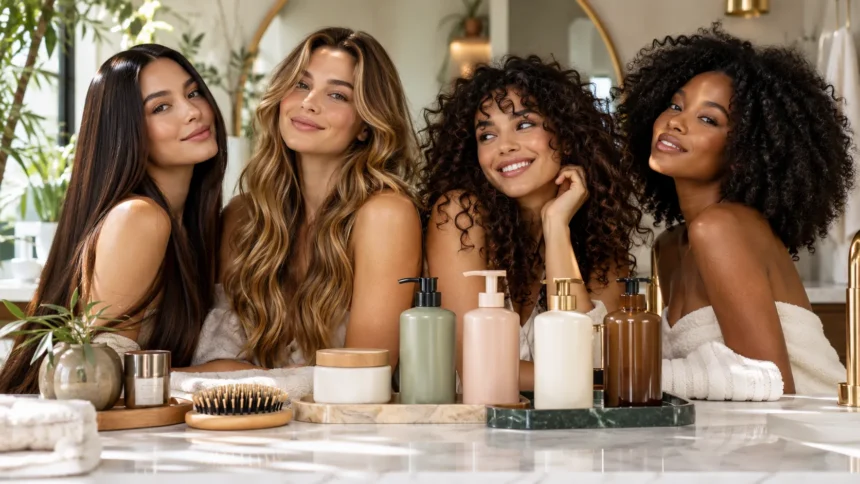
Choosing the best shampoo for your hair type can make a significant difference in how your hair looks, feels, and responds to everyday styling. With countless shampoos available for dry, oily, curly, damaged, and color-treated hair, finding the right formula can feel overwhelming. However, understanding your hair’s needs makes selecting suitable products much easier.
The right shampoo should effectively cleanse your scalp without leaving your hair excessively dry, greasy, or difficult to manage. Different hair textures and scalp conditions require different cleansing ingredients and levels of conditioning. This guide explains how to choose the best shampoo for your hair type, which ingredients to consider, and how to build a healthier hair washing routine.
How to Choose the Best Shampoo for Your Hair Type
Finding the best shampoo starts with understanding your scalp condition and natural hair texture. Your scalp may be oily, dry, sensitive, or balanced, while your strands can be fine, thick, straight, wavy, or curly. Recognizing these differences helps you choose a cleansing formula that addresses your specific concerns without creating unnecessary dryness or product buildup.
Hair texture influences how natural oils travel along individual strands and how easily hair becomes tangled. Straight hair often shows oil accumulation sooner, while curly and coily hair may experience greater dryness along its length. However, scalp oil production varies between individuals, so people with similar hair textures may still require different shampoo formulas.
Consider your styling habits, washing frequency, and whether your hair has been chemically treated before purchasing shampoo. A person who frequently uses styling products may need stronger cleansing than someone following a minimal routine. The best shampoo should leave your scalp comfortable, remove unwanted residue, and maintain your hair’s natural manageability.
Best Shampoo for Oily Hair and Greasy Scalp
People with oily hair often struggle with greasy roots, flat hairstyles, and a scalp that feels dirty shortly after washing. The best shampoo for oily hair should remove excess sebum and accumulated residue without causing unnecessary irritation. Lightweight cleansing formulas are often more suitable than products containing large amounts of heavy conditioning ingredients.
Look for shampoos described as balancing, lightweight, or suitable for oily scalps rather than assuming every clarifying product is necessary. Cleansing ingredients help remove oil, sweat, and styling residue, while appropriate formulation determines how gently the product performs. Some people with naturally oily scalps benefit from daily washing with a mild shampoo.
Avoid applying heavy conditioners directly to the roots if they make your hair appear greasy. Instead, concentrate conditioning products on the mid-lengths and ends when additional softness is needed. Washing frequency should reflect your actual scalp condition rather than attempting to train your scalp to produce less oil through prolonged intervals.
Best Shampoo for Dry Hair and Dehydrated Strands
Dry hair often feels rough, develops tangles easily, and lacks the smooth appearance associated with well-conditioned strands. The best shampoo for dry hair should cleanse gently while minimizing unnecessary removal of surface oils. Moisturizing formulas can be particularly helpful for people with naturally dry textures, damaged ends, or hair exposed to frequent heat styling.
Look for shampoos containing conditioning ingredients such as glycerin, panthenol, fatty alcohols, or selected plant-derived oils. These ingredients can support moisture retention, lubrication, or a softer feel, depending on the product’s overall formulation. However, shampoo alone cannot permanently repair structural damage, making a suitable conditioner an important part of managing dry hair.
People with dry hair may benefit from washing less frequently when their scalp remains comfortable between cleansing sessions. Use lukewarm water and avoid aggressive scrubbing that creates unnecessary friction. Combining a gentle shampoo with regular conditioning can help reduce roughness, improve detangling, and maintain a smoother appearance throughout the week.
Best Shampoo for Fine and Thin Hair
Fine hair has a smaller individual strand diameter and can become weighed down by rich conditioning products. The best shampoo for fine hair should provide effective cleansing while maintaining a lightweight finish. Volumizing shampoos may help hair appear fuller by removing excess residue and avoiding ingredients that leave an overly heavy coating.
Look for lightweight formulas designed to improve manageability without making strands feel greasy or flat. Some volumizing shampoos contain polymers that temporarily enhance the appearance of body and texture. However, these products do not increase the number of hair follicles or permanently change the natural thickness of individual strands.
People with fine hair may notice oil accumulation quickly, particularly around the scalp and hairline. Washing as needed with a gentle shampoo can help maintain freshness and volume. If noticeable thinning or unusual hair shedding develops, consider seeking professional advice because cosmetic shampoos cannot address every underlying cause of hair loss.
Best Shampoo for Thick, Coarse, and Frizzy Hair
Thick and coarse hair often requires products that improve softness, reduce tangling, and support easier styling. Although thick hair can be strong, individual strands may feel rough or become dry with repeated heat exposure. The best shampoo for coarse hair should provide appropriate cleansing without leaving the lengths unnecessarily stripped or difficult to manage.
Moisturizing formulas containing conditioning agents, glycerin, and selected oils may help improve the feel of thick strands. Products marketed for smoothing can reduce friction and make hair easier to detangle after washing. Frizz also depends on humidity, hair damage, and natural texture, so shampoo alone may not completely control it.
Choose a shampoo based on scalp needs, then use a suitable conditioner to address dryness throughout the lengths. Avoid excessive washing with strong cleansers if your hair already feels rough. A leave-in conditioner or lightweight hair serum may provide additional manageability, especially in humid conditions or when frequent styling increases friction.
Best Shampoo for Curly, Wavy, and Coily Hair
Curly, wavy, and coily hair often requires careful cleansing because natural oils may not spread evenly along textured strands. The best shampoo for curly hair should remove scalp buildup while preserving a manageable feel. Many people with textured hair prefer moisturizing formulations that help reduce friction and make detangling more comfortable.
For loose waves, lightweight shampoos may help maintain movement without making the hair appear flat. Tighter curls and coils may benefit from richer conditioning routines, although scalp cleansing requirements still vary. Sulfate-free shampoos are popular among people with curly hair, but their suitability depends on the complete formula rather than one ingredient category.
Detangling techniques are equally important when maintaining defined curls and reducing unnecessary breakage. Use a suitable conditioner and gently separate tangles while the hair is adequately lubricated. Avoid rough towel drying, and consider using a microfiber towel or soft cotton fabric to reduce friction after washing.
Best Shampoo for Color-Treated and Bleached Hair
Color-treated hair may require additional care because chemical processing can affect the protective outer layers of the hair shaft. The best shampoo for colored hair should provide gentle cleansing while helping maintain softness and manageability. Harsh washing routines, excessive heat, and frequent exposure to certain environmental conditions can contribute to faster color fading.
Look for shampoos specifically formulated for color-treated hair, particularly if your hair has been bleached or repeatedly dyed. These formulas may contain conditioning ingredients that reduce friction and help improve the appearance of processed strands. However, no shampoo can completely prevent fading because color longevity depends on the dye, treatment process, and daily habits.
People with blonde or lightened hair sometimes use purple shampoo to reduce the appearance of unwanted yellow tones. These products contain pigments that temporarily neutralize certain warm tones rather than repairing chemical damage. Follow the product instructions carefully, since excessive use can leave unwanted color deposits or make already dry hair feel rough.
Best Shampoo for Damaged Hair and Split Ends
Damaged hair often develops after repeated heat styling, bleaching, chemical straightening, or excessive mechanical friction. Signs include roughness, tangling, breakage, and visible split ends. The best shampoo for damaged hair should cleanse gently while supporting a conditioning routine that improves softness and reduces unnecessary stress during washing.
Some shampoos marketed for hair repair contain proteins, amino acids, conditioning polymers, or specialized treatment ingredients. These components may temporarily improve the feel and appearance of weakened strands, depending on their formulation. However, severely damaged hair cannot always return to its original structure, and existing split ends generally require trimming.
When dealing with damaged hair, avoid treating shampoo as the only solution. Reducing excessive heat, chemical processing, and aggressive brushing is equally important for preventing additional breakage. Combining a suitable shampoo with conditioning treatments and gentle handling can improve everyday manageability while protecting remaining healthy sections of hair.
Best Shampoo for Dandruff and Flaky Scalp
Dandruff can cause visible flakes, itching, and discomfort, making shampoo selection particularly important for scalp care. The best shampoo for dandruff usually contains ingredients designed to address the underlying processes contributing to flaking. However, dandruff should not automatically be confused with dry scalp because these conditions can require different approaches.
Common anti-dandruff ingredients include ketoconazole, selenium sulfide, and salicylic acid, although their availability and approved uses vary by country. Different ingredients work through different mechanisms, including reducing certain scalp yeasts or helping remove accumulated scales. Choosing an appropriate medicated shampoo depends on symptoms, product instructions, and individual skin sensitivity.
Follow the recommended application frequency and contact time rather than using a treatment more often than directed. Some medicated shampoos require several minutes on the scalp before rinsing. If flaking continues, becomes painful, or is accompanied by significant redness or hair loss, consult a healthcare professional for appropriate evaluation.
Best Shampoo for Sensitive or Itchy Scalp
A sensitive scalp may react to certain fragrances, preservatives, cleansing ingredients, or other components of hair care products. Common symptoms include itching, burning, redness, and discomfort after washing. The best shampoo for a sensitive scalp is generally one that provides adequate cleansing without ingredients that repeatedly trigger irritation.
Fragrance-free shampoos can be useful for people who notice sensitivity to scented hair products. Formulas with fewer unnecessary additives may be easier to evaluate, although simple ingredient lists do not automatically guarantee safety. Even products labeled natural, organic, or hypoallergenic can cause irritation in susceptible individuals.
Introduce unfamiliar products carefully and discontinue use if significant irritation develops. Rinse thoroughly and avoid aggressive scalp massage, especially when the skin already feels uncomfortable. Persistent itching may indicate dandruff, eczema, allergic contact dermatitis, or another condition that requires professional assessment rather than repeated experimentation with cosmetic shampoos.
Understanding Shampoo Ingredients: Sulfates, Silicones, and Oils
Understanding shampoo ingredients helps you make informed choices without relying entirely on marketing claims. Sulfates such as sodium laureth sulfate are cleansing agents that help remove oil and residue. Although some formulas containing sulfates can feel drying to certain users, their effects depend on concentration, accompanying ingredients, and overall product design.
Sulfate-free shampoos use alternative cleansing ingredients and may feel gentler for some individuals. However, sulfate-free does not automatically mean moisturizing, safer, or suitable for every scalp condition. Likewise, silicones can improve slip and smoothness, but certain formulations may leave residue that requires appropriate cleansing when products accumulate.
Plant oils, humectants, proteins, and conditioning polymers serve different purposes in hair care products. Some improve lubrication, while others influence softness, moisture retention, or the appearance of damaged strands. Instead of avoiding entire ingredient categories, evaluate how a product performs on your scalp and hair while considering any known sensitivities.
How to Wash Your Hair Correctly and Build a Routine
Even the best shampoo cannot deliver satisfying results when washing techniques are unnecessarily harsh or inconsistent. Begin by thoroughly wetting your hair with lukewarm water, then apply an appropriate amount of shampoo to the scalp. Massage gently with your fingertips to loosen oils, sweat, and residue without scratching the skin.
Rinse thoroughly and apply conditioner according to your hair’s needs, usually focusing on the lengths and ends. A second shampoo application is not necessary for everyone, although heavy product buildup may occasionally require additional cleansing. Avoid rubbing wet hair aggressively with a towel because friction can contribute to tangling and breakage.
Create a hair washing schedule based on scalp oiliness, physical activity, and the amount of styling product you use. Oily scalps may need frequent cleansing, while dry or textured hair may tolerate longer intervals. Review your routine when weather, hair treatments, or scalp symptoms change instead of following rigid rules.
Conclusion
Choosing the best shampoo for your hair type begins with understanding the difference between scalp condition and hair texture. Oily hair may benefit from lightweight cleansing, while dry, curly, or damaged hair often needs gentler formulas and appropriate conditioning. Matching products to your individual needs can improve cleanliness, softness, and everyday manageability.
Remember that shampoo ingredients, washing frequency, and styling habits all influence how your hair looks and feels. Expensive products are not automatically better, and popular formulas may not suit every individual. Focus on comfortable scalp cleansing, suitable conditioning, and avoiding unnecessary damage rather than following every new hair care trend.
Healthy-looking hair develops through consistent habits and realistic expectations rather than a single miracle product. Pay attention to how your scalp and strands respond, and adjust your routine when necessary. With the right shampoo and supportive hair care practices, you can maintain cleaner, smoother, and more manageable hair.
Frequently Asked Questions (FAQs)
1. How Do I Know Which Shampoo Is Best for My Hair Type?
Identify whether your scalp is oily, dry, sensitive, or balanced, then consider your hair texture and condition. Choose a shampoo that cleanses comfortably without leaving your strands excessively dry or weighed down.
2. Which Shampoo Is Best for Dry and Frizzy Hair?
A gentle, moisturizing shampoo containing suitable conditioning ingredients may help dry and frizzy hair feel softer and smoother. Pair it with conditioner and reduce excessive heat styling to improve manageability.
3. Is Sulfate-Free Shampoo Better for All Hair Types?
No, sulfate-free shampoo is not automatically better for everyone. Some people prefer these formulas for gentler cleansing, while others benefit from sulfate-containing shampoos that effectively remove oil and styling buildup.
4. How Often Should I Change My Shampoo?
You do not need to change shampoo regularly if it continues working well. Consider switching when your scalp condition, hair treatments, styling habits, or product requirements change significantly.
5. Can the Wrong Shampoo Cause Hair Damage or Hair Loss?
An unsuitable shampoo may contribute to dryness, irritation, tangling, or breakage, particularly when combined with harsh handling. Persistent shedding or noticeable hair loss should be medically evaluated rather than attributed solely to shampoo.