

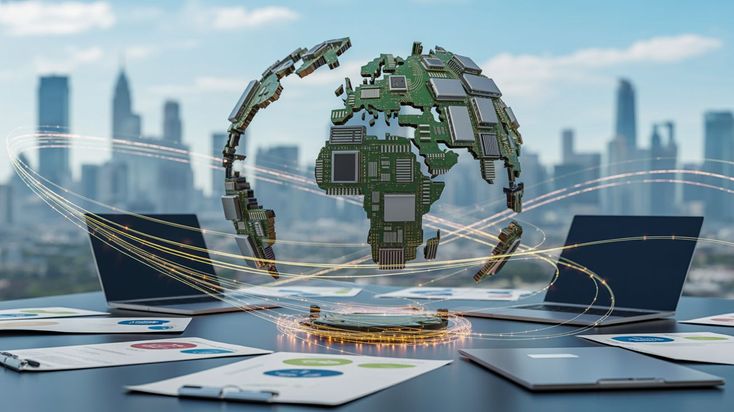
Technology is transforming global trade by making it faster, more efficient, and more connected than ever before. Businesses can now reach international customers, manage supply chains, and complete cross-border transactions with greater speed and accuracy. From artificial intelligence to cloud computing, digital innovations are helping companies compete in the global marketplace.
As technology continues to evolve, it is creating new opportunities for businesses of all sizes to expand internationally and improve their operations.
What Is Global Trade?
Global trade is the exchange of goods and services between countries. It allows businesses to access international markets, source materials, and sell products to customers around the world.
Modern technology has made international trade more accessible for both large corporations and small businesses.
Digital Commerce and Online Marketplaces
E-commerce platforms have made it easier for businesses to sell products globally. Companies can reach customers in different countries through online stores and digital marketplaces without opening physical locations.
Secure online payments and digital marketing have further accelerated international sales.
Artificial Intelligence in Trade
Artificial intelligence helps businesses forecast demand, optimize inventory, and improve customer service. AI also analyzes market trends and supports better decision-making for international trade operations.
These tools increase efficiency while reducing costs and delays.
Cloud Computing
Cloud computing allows businesses to manage operations from anywhere. Companies use cloud platforms to store data, collaborate with international teams, and monitor supply chains in real time.
Cloud technology also supports faster communication between global partners.
Supply Chain Innovation
Technology has improved supply chain management by providing real-time tracking and automated inventory systems. Businesses can monitor shipments, reduce delays, and respond quickly to changing market conditions.
Improved visibility helps companies deliver products more efficiently.
Digital Payments
Modern payment technologies have simplified international transactions. Digital wallets, online banking, and electronic payment systems allow businesses and customers to complete cross-border payments quickly and securely.
These solutions support the continued growth of global e-commerce.
Automation and Robotics
Automation and robotics improve manufacturing and warehouse operations. Automated systems increase production speed, reduce human error, and lower operating costs while helping businesses meet growing global demand.
Many logistics companies also use automated sorting and packaging systems.
Data Analytics
Businesses use data analytics to understand customer behavior, identify new markets, and improve business strategies. Real-time insights help companies make informed decisions and respond to changing consumer preferences.
Data-driven planning also reduces business risks.
Challenges of Technology in Global Trade
Although technology offers many benefits, businesses also face challenges. Cybersecurity threats, data privacy concerns, changing international regulations, and unequal access to digital infrastructure can affect global trade operations.
Companies must invest in secure systems and remain compliant with international standards.
The Future of Global Trade
Emerging technologies such as artificial intelligence, blockchain, automation, and the Internet of Things (IoT) will continue to reshape global trade. Businesses will benefit from faster logistics, smarter supply chains, and greater transparency across international markets.
Digital transformation will make global trade more connected, efficient, and accessible.
Conclusion
Technology is changing the way businesses participate in global trade. Digital platforms, cloud computing, AI, automation, and advanced payment systems have made international commerce faster and more efficient than ever before.
Companies that embrace innovation and invest in digital technologies will be better positioned to compete in the evolving global economy. As technology continues to advance, it will remain a driving force behind the future of international trade.
Frequently Asked Questions (FAQs)
1. What is global trade?
Global trade is the buying and selling of goods and services between countries.
2. How has technology improved global trade?
Technology has improved communication, supply chain management, digital payments, and access to international markets.
3. What role does AI play in global trade?
AI helps businesses forecast demand, optimize inventory, improve logistics, and make data-driven decisions.
4. How does cloud computing support international business?
Cloud computing enables secure data storage, remote collaboration, and real-time business operations across different countries.
5. Why are digital payments important for global trade?
They make cross-border transactions faster, safer, and more convenient for businesses and customers.
6. How does automation benefit global trade?
Automation increases productivity, reduces operational costs, improves manufacturing efficiency, and speeds up logistics.
7. What challenges does technology create in global trade?
Common challenges include cybersecurity risks, data privacy concerns, regulatory compliance, and unequal digital access.
8. How do online marketplaces support international trade?
They allow businesses to reach global customers without establishing physical stores in every country.
9. What technologies will shape the future of global trade?
Artificial intelligence, blockchain, cloud computing, automation, IoT, and advanced data analytics will continue driving innovation.
10. Why is technology important for international businesses?
Technology improves efficiency, reduces costs, enhances customer experiences, and helps businesses compete successfully in global markets.