

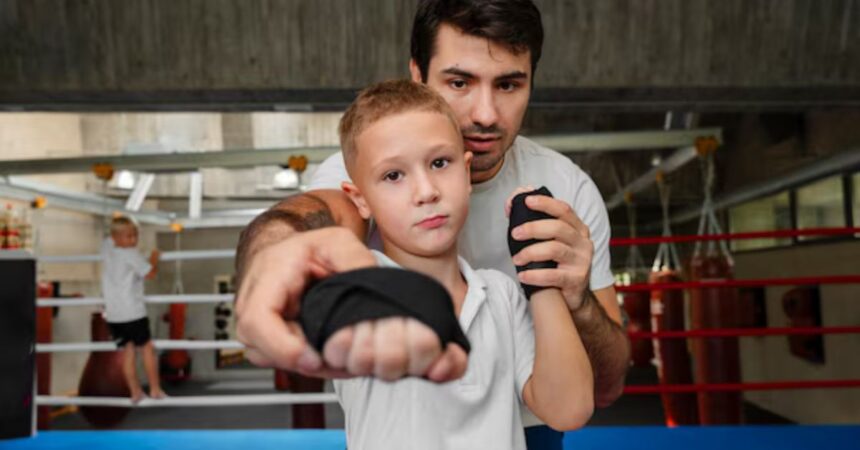
Ask a group of parents what they want for their kids and the answers tend to overlap: stay safe, feel confident, move more. Adults want much the same, plus a workout that doesn’t feel like a chore. Self-defence training touches all of these, which is partly why Krav Maga has built such a following in Sydney and beyond.
The system grew out of a blunt question: what works when a situation turns physical and nobody has time to think? It leaves out the ceremony and concentrates on awareness, instinct and efficient movement. This article covers what Krav Maga involves, who it suits, how realistic training can stay safe, and what to look for when choosing a school.
What Sets Krav Maga Apart
Krav Maga is a self-defence system rather than a sport. There are no weight divisions, no scoring and no competition circuit. Training revolves around everyday threats such as being grabbed, pushed, pinned or confronted by someone aggressive. The techniques build on natural reactions like flinching, covering the head and stepping away, which makes them easier to recall when adrenaline is running.
Avoidance matters as much as technique. A good program teaches students to read body language, keep a safe distance, spot the exits and use a firm voice. Physical skills are the last resort, not the first. Parents tend to appreciate that message, and so do adults who have never thrown a punch in their lives.
Location also plays a bigger role than people expect, because the best class is the one you can reach every week. In the Sutherland Shire, SGS Krav Maga runs a kid’s martial arts program as part of training for all ages, built around practical skills and clear safety rules. For families nearby, a training centre within easy reach makes it far simpler to turn good intentions into a routine.
What Adults Get Out of It
Fitness that holds your attention. Plenty of people drift away from the gym because the routine gets dull. Krav Maga classes move quickly and change often, mixing striking drills, movement patterns, partner work and conditioning. Over time that builds cardiovascular fitness, core strength, balance and coordination. Because every drill has a purpose, the effort tends to feel worthwhile.
A break from the day. Working through pad drills or practising a technique pulls your attention fully into the room. For anyone juggling a demanding job and a busy household, that hour can work as a genuine reset. Some students also find they stay calmer in everyday stress, partly because they have practised thinking clearly while their heart rate is up.
Quiet, practical confidence. Confidence in self-defence rarely comes from one clever move. It grows as you learn how your body moves, how to create space and how to respond when startled. Having even a simple plan changes the way you carry yourself and how you read your surroundings.
Self-Defence Classes for Women
Women considering self-defence often have specific worries. Will I be the only beginner? Will I be paired with someone much bigger? Will any of this work against a stronger person? A well-run women’s class takes those questions seriously.
Good training in this area leans on leverage, timing and target selection rather than strength. Students practise breaking free from common grabs, protecting themselves if they are pushed against a wall or taken to the ground, and creating enough distance to get away. Just as important are the less physical skills: using your voice, setting boundaries and noticing warning signs before things escalate.
The atmosphere counts too. Training alongside people with similar goals makes it easier to ask questions and learn at a comfortable pace. For many women, the lasting benefit isn’t a particular technique but the self-assurance that comes from having rehearsed a response.
Why Kids Can Benefit
Children aren’t small adults, and a good kids’ program doesn’t treat them that way. Instead of dwelling on aggressive scenarios, it uses games, drills and structured activities to teach core skills in an age-appropriate way.
Regular training helps children learn to stand tall, speak clearly and say no when something feels wrong. Those skills carry over to the playground, public places and online life. Confidence here has little to do with toughness. It is about knowing your voice and your choices matter.
Classes also have a clear structure. Kids listen to instructions, take turns and respect their partners, and over time that tends to improve focus and self-control. Many parents notice the habits following their children into schoolwork and home life.
Bullying is another area where a sound program helps. Children learn assertive body language, when to walk away, how to ask a trusted adult for help and why physical protection is a last resort. The goal is resilience and good judgement, not conflict. And with screens competing for so much of a child’s time, a social, active class offers an alternative for kids who don’t enjoy team sports.
One System, Many Ages
A big part of Krav Maga’s appeal is how adaptable it is. Because it relies on natural movement rather than extreme flexibility or athletic talent, people of very different ages and fitness levels can start and make steady progress.
Younger children focus on fundamentals through play. Teenagers apply those skills with more intensity while building awareness for situations they may face more independently. Adults train at a level that suits their fitness, and older students can concentrate on practical techniques, mobility and balance. The best schools scale activities so that everyone is challenged and nobody is overwhelmed. It also means parents and children can each train in suitable classes and talk about what they’re learning at home.
Realistic Training, Done Safely
“Real-life training” can sound alarming, so it helps to spell out what it actually means. In a quality school, realism isn’t recklessness. Drills are designed to mirror genuine situations, such as being grabbed from behind, approached by someone aggressive or caught in a tight space, while the environment stays controlled and respectful.
Several things keep it safe. Students start with simple movements and build towards more complex, higher-pressure drills. Pads, gloves and other protective gear allow proper contact without needless risk. Instructors set the pace, and training partners adjust their effort to the skill level of the person in front of them. Just as important is the culture. Students look after each other, and pausing, tapping out or asking for a break is always accepted.
That balance is what makes scenarios work effective. Practising a response under mild stress helps the body form reliable habits, so reactions feel familiar rather than foreign if you ever need them. Meanwhile, a safe room keeps training enjoyable enough that people keep coming back.
Why Conditioning Matters
Technique gets most of the attention, but fitness quietly supports every effective response. Someone who is stronger, faster and better conditioned has more options. They can move away sooner, recover more quickly and think more clearly when their heart rate climbs.
That’s why modern self-defence training often includes dedicated conditioning. SGS Krav Maga’s PowerKube Combat Performance Center reflects the idea, offering a space for students to build the physical base that supports their self-defence skills. Pairing technique classes with targeted conditioning gives a more complete path than either offers alone. The everyday payoffs, including better energy, help with weight management and improved sleep, often end up being just as motivating as the self-defence skills themselves.
Everyday Safety Habits Worth Adopting
You don’t need to be a trained fighter to improve your personal safety. A few simple habits go a long way:
- Put your phone away when walking alone, especially at night or in unfamiliar areas.
- Trust your instincts. If a person or place makes you uneasy, move somewhere safer.
- Keep your distance where you can. Space buys reaction time and makes grabbing harder.
- Use your voice. A loud, firm “Stop” or “Back off” can draw attention and may discourage an approach.
- Note the exits in cafés, car parks, train carriages and shopping centres.
- Share your location with someone you trust, and choose well-lit, busy routes when possible.
- Remember that the aim is to get away safely, not to win a fight.
These habits come more naturally once they’ve been reinforced in training, because awareness and decision-making get practised alongside the physical skills.
Choosing the Right School
If you’re thinking of trying a class, a few checks will help you find a good fit.
- Instructors: Look for experienced teachers who communicate clearly, show patience and put safety first.
- Structure: Beginners should have a clear starting point, and children should train in age-appropriate groups.
- Culture: Book a trial or watch a session. Respectful, supportive interactions between students are a good sign.
- Facilities: Clean, well-kept spaces with suitable equipment make training safer and more comfortable.
- Convenience: Location and timetable matter more than most people admit. The school you can reach easily is the one you’ll actually attend.
- Honest promises: Be wary of any program that claims you’ll become unbeatable. Real training builds skill gradually.
Final Thoughts
Krav Maga appeals to many Australian families because it is practical, inclusive and rooted in real situations. Adults get a demanding, engaging way to stay fit. Women can find training that builds genuine confidence. Children learn useful skills in a structured, supportive setting. Add a firm commitment to safety and controlled, realistic practice, and it becomes more than a workout. It becomes a long-term investment in personal safety and wellbeing.
Whether you’re a parent looking for a constructive activity for your child, a beginner curious about self-defence or someone who wants a fresh approach to fitness, the next step is simple. Try a class, ask plenty of questions and see how it feels. Confidence is built one session at a time, and the first one is usually the hardest.
SEE MORE: How One Wearable Can Simplify Fitness Tracking for Families