
Global migration has become one of the most significant social and economic issues of the modern world. Migration refers to the movement of people from one country or region to another for reasons such as employment, education, safety, or better living conditions. Advances in transportation, communication, and globalization have made migration more common than ever before.
People migrate for many different reasons, including economic opportunities, political instability, environmental disasters, and social factors. While migration can create economic growth and cultural diversity, it can also lead to challenges related to employment, housing, public services, and national policies.
Governments and international organizations continue to develop strategies to manage migration effectively while protecting human rights and national interests.
Major Causes of Global Migration
Economic opportunities are among the leading causes of migration. Many individuals move to other countries in search of better jobs, higher wages, and improved living standards. Developing nations often experience large numbers of workers migrating to industrialized countries where employment opportunities are greater.
Political instability and conflict also force millions of people to leave their homes. Wars, violence, persecution, and human rights abuses create refugees and displaced populations seeking safety in other countries.
Environmental factors are becoming increasingly important in migration trends. Climate change, floods, droughts, rising sea levels, and natural disasters can damage homes, agriculture, and local economies, forcing communities to relocate.
Education and family reunification are additional reasons for migration. Students travel abroad for higher education, while families migrate to reunite with relatives living in other countries.
Economic Effects of Migration
Migration has both positive and negative economic effects on countries. In destination countries, migrants often fill labor shortages in industries such as healthcare, construction, agriculture, and technology. Skilled migrants can contribute innovation, entrepreneurship, and economic growth.
Migrants also support economies through taxes, spending, and business creation. In many countries, immigrant workers play a crucial role in maintaining productivity and supporting aging populations.
For countries of origin, migration can provide financial benefits through remittances. Migrants often send money back to their families, helping improve education, healthcare, and living conditions.
However, migration can also create economic pressures. Rapid population growth in urban areas may increase demand for housing, transportation, education, and healthcare services. Some countries may also experience “brain drain” when highly educated professionals leave for opportunities abroad.
Social and Cultural Effects
Migration increases cultural diversity by introducing new languages, traditions, foods, and ideas into societies. Multicultural communities can promote creativity, innovation, and social exchange.
At the same time, cultural differences may sometimes create social tensions or misunderstandings. Challenges related to language barriers, discrimination, and social integration can affect migrants and local communities.
Successful integration policies are important for promoting social harmony. Access to education, language training, and employment opportunities can help migrants adapt and contribute positively to society.
Media and public opinion also influence how migrants are viewed. Positive representation can encourage inclusion, while misinformation may increase fear or prejudice.
Humanitarian Challenges and Refugee Crises
Refugee crises remain one of the most urgent global migration issues. Millions of people are displaced due to wars, persecution, and natural disasters. Refugees often face dangerous journeys, poor living conditions, and limited access to healthcare or education.
Host countries and international organizations provide humanitarian aid, but managing large refugee populations can place pressure on resources and infrastructure. Long-term displacement can also create emotional and psychological challenges for affected families.
Protecting the rights and dignity of refugees is an important responsibility under international law. Cooperation between nations is essential for addressing humanitarian emergencies effectively.
Government Policies and International Responses
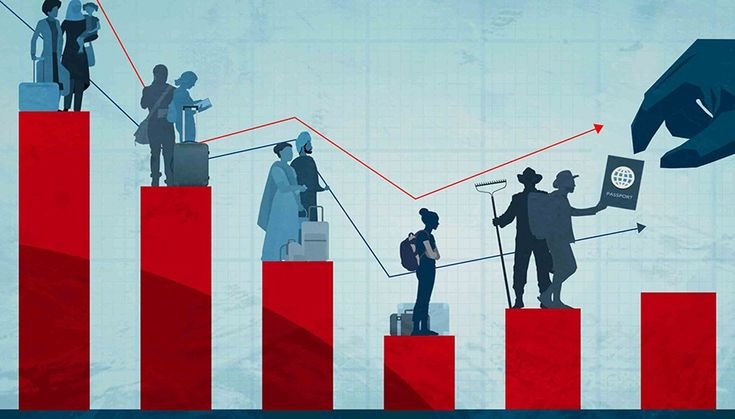
Governments use immigration policies to manage migration flows and maintain border security. Policies may include visa systems, work permits, refugee programs, and citizenship regulations.
Some countries encourage skilled migration to support economic growth, while others focus on stricter border controls to reduce illegal immigration. Balancing economic needs, security concerns, and human rights remains a major policy challenge.
International organizations such as United Nations and International Organization for Migration work with governments to address migration issues, support refugees, and promote safe migration practices.
Global cooperation is increasingly important because migration often affects multiple countries at the same time. Shared policies and humanitarian support can improve migration management and reduce conflict.
The Future of Global Migration
Migration trends are likely to continue growing due to globalization, climate change, economic inequality, and technological development. Digital communication and international travel have made movement across borders easier and more accessible.
Climate-related migration may become more common as environmental conditions worsen in vulnerable regions. At the same time, aging populations in some developed countries may increase demand for migrant workers.
Future migration policies will need to balance economic development, national security, and human rights protection. Countries that successfully manage migration may benefit from greater diversity, innovation, and economic strength.
Conclusion
Global migration is a complex and important issue that affects economies, societies, and international relations worldwide. People migrate for various reasons, including economic opportunities, safety, education, and environmental challenges.
Migration can bring significant benefits such as economic growth, cultural diversity, and global cooperation. However, it can also create challenges related to social integration, public services, and policy management.
Effective migration policies, international cooperation, and respect for human rights are essential for managing migration successfully. As global conditions continue to change, migration will remain a major issue shaping the future of societies around the world.
Frequently Asked Questions (FAQs)
1. What is global migration?
Global migration refers to the movement of people from one country or region to another for work, education, safety, or other reasons.
2. What are the main causes of migration?
Major causes include economic opportunities, political conflict, environmental disasters, education, and family reunification.
3. What is the difference between a migrant and a refugee?
A migrant usually moves voluntarily for opportunities or personal reasons, while a refugee is forced to leave due to war, persecution, or danger.
4. How does migration benefit economies?
Migrants contribute labor, skills, taxes, business growth, and financial support through remittances sent to their home countries.
5. What challenges can migration create?
Migration may increase pressure on housing, healthcare, education, and employment systems, especially in rapidly growing urban areas.
6. How does climate change affect migration?
Climate change can cause floods, droughts, rising sea levels, and natural disasters that force people to relocate.
7. Why are migration policies important?
Migration policies help governments manage borders, protect national security, support economic needs, and ensure human rights protections for migrants and refugees.