

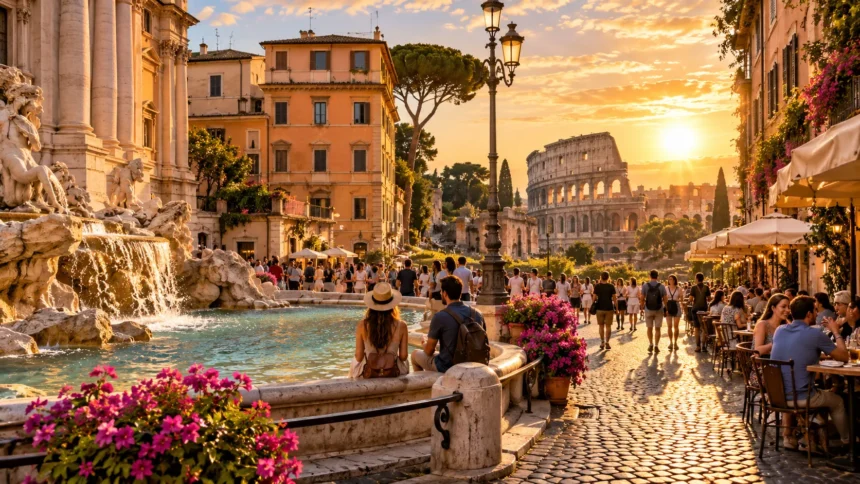
Rome is one of the world’s most fascinating travel destinations, famous for its ancient ruins, magnificent architecture, historic churches, and vibrant Italian culture. Although the Eternal City is often associated with expensive attractions and crowded tourist landmarks, many memorable experiences are available without paying an admission fee. From beautiful public squares to scenic parks, Rome offers countless opportunities for affordable sightseeing.
The best free things to do in Rome include admiring the Trevi Fountain, exploring Piazza Navona, visiting historic churches, and enjoying panoramic views from beautiful hilltop viewpoints. Travelers can also walk through charming neighborhoods, discover ancient monuments from public streets, and experience the city’s lively atmosphere without spending much money.
Whether you are planning a budget-friendly vacation, a weekend getaway, or your first visit to Italy, knowing where to find free attractions can help you enjoy more of Rome. This guide explores the city’s best no-cost activities, historic landmarks, scenic walking routes, and practical money-saving tips for an unforgettable Italian adventure.
1. Visit the Trevi Fountain – Rome’s Most Famous Fountain
The Trevi Fountain is one of Rome’s most recognizable landmarks and a magnificent example of Baroque architecture. Located in the historic city center, this impressive fountain features elaborate sculptures, flowing water, and dramatic architectural details. Its beautiful design attracts visitors from around the world who want to admire one of Italy’s most famous public monuments.
Travelers can enjoy views of the fountain from the surrounding public square without purchasing a ticket. However, closer access to the controlled area immediately beside the basin may require an admission fee under current visitor arrangements. The surrounding streets still offer opportunities to appreciate the fountain’s grandeur and historic setting.
Early morning and evening are appealing times to experience the Trevi Fountain because the surrounding atmosphere changes throughout the day. Visitors can enjoy photography, admire the illuminated monument, and explore nearby historic streets. Following crowd-control instructions and respecting the monument helps preserve this beautiful attraction for future generations.
2. Explore the Spanish Steps – A Famous Roman Landmark
The Spanish Steps are among Rome’s most celebrated public landmarks, connecting Piazza di Spagna with the area surrounding Trinità dei Monti. The elegant staircase is famous for its sweeping design and picturesque urban surroundings. Visitors can admire the architecture and experience one of the city’s most recognizable historic locations without paying an entrance fee.
At the bottom of the staircase stands the Fontana della Barcaccia, a beautiful fountain associated with the Baroque period. Travelers can explore the surrounding square, admire historic buildings, and discover fashionable shopping streets nearby. The elevated area also provides attractive views across parts of Rome’s historic center.
Although the Spanish Steps are freely accessible, local regulations prohibit sitting on the staircase and certain other activities. Visitors should respect posted restrictions and keep passageways clear. Exploring the area on foot offers a memorable introduction to Rome’s elegant architecture and lively atmosphere without requiring expensive sightseeing experiences.
3. Discover Piazza Navona – Beautiful Fountains and Architecture
Piazza Navona is one of Rome’s most beautiful public squares, famous for its elegant Baroque architecture and spectacular fountains. Built over the remains of an ancient Roman stadium, the square has a distinctive elongated shape. Its impressive monuments and lively atmosphere make it an essential destination for travelers exploring Rome on a budget.
The square’s most famous landmark is the Fountain of the Four Rivers, designed by Gian Lorenzo Bernini. Visitors can also admire the surrounding architecture, discover additional fountains, and observe the vibrant atmosphere of the historic center. Exploring the public square itself does not require an admission ticket.
Piazza Navona is particularly attractive during the evening when illuminated buildings create a beautiful setting. Travelers can enjoy photography, watch the activity around the square, and continue exploring nearby streets. Restaurants and cafés are available, but purchasing food or drinks is not necessary to appreciate this remarkable Roman landmark.
4. Visit St. Peter’s Basilica – Magnificent Religious Architecture
St. Peter’s Basilica is one of the world’s most important Christian religious landmarks, located in Vatican City beside Rome. The magnificent church is famous for its enormous dome, beautiful sculptures, and remarkable Renaissance architecture. Visitors can admire its extraordinary interior while learning about centuries of religious and artistic history.
General admission to the basilica is normally free, making it one of the most impressive budget-friendly attractions in the area. Visitors can appreciate the enormous interior, decorative details, and important works of art. However, optional experiences such as climbing the dome require separate payment, and security screening is mandatory.
Travelers should dress appropriately because the basilica is an active religious site with specific clothing requirements. Opening arrangements may change during religious ceremonies and major events. Arriving early can sometimes reduce waiting times, allowing visitors to experience the building’s remarkable architecture in a more comfortable atmosphere.
5. Explore the Pantheon From Piazza della Rotonda
The Pantheon is one of Rome’s best-preserved ancient buildings and an extraordinary example of Roman engineering. Located in Piazza della Rotonda, its enormous columns, historic entrance, and impressive architectural design attract visitors throughout the year. The surrounding public square offers a beautiful setting for appreciating this famous monument.
Although entering the Pantheon generally requires a ticket, visitors can admire its remarkable exterior from the square for free. The ancient columns and monumental portico provide excellent photography opportunities. Free interior admission may also be available on designated dates or through specific eligibility categories, subject to current visitor regulations.
Piazza della Rotonda is surrounded by charming streets, cafés, and historic buildings that reflect Rome’s distinctive atmosphere. Travelers can enjoy the square without purchasing anything while discovering nearby attractions on foot. The Pantheon’s exterior remains one of the city’s most impressive sights for visitors exploring on a limited budget.
6. Walk Through the Roman Forum Area and Via dei Fori Imperiali
The Roman Forum was once the political, religious, and commercial center of ancient Rome. Today, its surviving temples, columns, and monumental ruins reveal the extraordinary history of the Roman Empire. Although entering the main archaeological site usually requires a ticket, visitors can admire parts of the ancient landscape from surrounding public areas.
Via dei Fori Imperiali is a famous road connecting the Colosseum area with Piazza Venezia. Walking along this route provides opportunities to view several important archaeological sites and impressive ancient structures. Informational signs and public viewpoints can help visitors appreciate Rome’s historical development without entering paid attractions.
The area is particularly beautiful during early morning or evening when changing sunlight highlights the ruins and surrounding architecture. Travelers should remain on designated pedestrian routes and follow local traffic arrangements. Exploring this historic district offers an affordable way to experience Rome’s ancient heritage while enjoying one of the city’s most recognizable landscapes.
7. Admire the Colosseum From Outside
The Colosseum is Rome’s most famous ancient monument and one of the world’s most recognizable historical landmarks. Built during the Roman Empire, this enormous amphitheater once hosted public spectacles and other events. Its remarkable architecture continues to attract millions of visitors interested in Roman history and ancient engineering.
Travelers can appreciate the Colosseum’s exterior from surrounding public viewpoints without purchasing an entrance ticket. Walking around the nearby streets offers opportunities to observe its massive arches, stonework, and impressive scale. The surrounding area also provides attractive views of additional ancient landmarks and archaeological remains.
Entering the Colosseum usually requires paid admission, although selected free-entry days may be available under official arrangements. Visitors who prefer not to purchase tickets can still enjoy memorable exterior views and photography opportunities. Early morning sightseeing may provide more comfortable conditions before the surrounding streets become particularly busy.
8. Visit Villa Borghese Gardens – Rome’s Beautiful Green Escape
Villa Borghese is one of Rome’s most popular public parks, offering beautiful gardens, shaded pathways, fountains, and scenic viewpoints. Located near Piazza del Popolo, this expansive green space provides a peaceful escape from the busy historic center. Its landscaped areas make it particularly attractive for travelers who enjoy walking and outdoor relaxation.
Visitors can explore many of the park’s public pathways and gardens without paying an admission fee. The area is suitable for leisurely walks, photography, and enjoying Rome’s natural surroundings. Several museums and recreational attractions are located within the wider park, although some require separate tickets.
Villa Borghese is especially enjoyable during spring and autumn when temperatures are comfortable for outdoor activities. Travelers can bring refreshments, relax on suitable grassy areas, and explore different sections of the park. Its combination of natural beauty and accessible public spaces makes it one of Rome’s best free attractions.
9. Enjoy Panoramic Views From the Pincio Terrace
The Pincio Terrace is one of Rome’s most beautiful viewpoints, located near Villa Borghese Gardens. The elevated terrace overlooks Piazza del Popolo and offers sweeping views of the city’s rooftops and historic skyline. Its convenient location makes it an excellent destination for travelers seeking impressive scenery without paying for an observation deck.
Visitors can admire Rome’s architectural landscape while enjoying the peaceful atmosphere of the surrounding gardens. The viewpoint offers particularly attractive scenery during sunset, when warm sunlight illuminates the city. Photographers often appreciate the wide perspective and recognizable landmarks visible across the historic center.
The Pincio Terrace is freely accessible through nearby public walking routes, making it easy to combine with Villa Borghese and Piazza del Popolo. Visitors should allow time to enjoy the surrounding gardens and viewpoints. This beautiful location demonstrates that some of Rome’s most memorable experiences require little more than comfortable walking shoes.
10. Explore Trastevere – Rome’s Charming Historic Neighborhood
Trastevere is one of Rome’s most atmospheric neighborhoods, famous for its narrow cobblestone streets, colorful buildings, and traditional Italian character. Located across the Tiber River from the historic center, the district offers a lively combination of old-world charm and contemporary local culture. Exploring its streets is completely free.
Visitors can wander through picturesque alleyways, admire historic architecture, and discover small public squares filled with neighborhood activity. The Basilica of Santa Maria in Trastevere is another important attraction, known for its beautiful mosaics and religious heritage. General church access is normally free, although visitor arrangements may vary.
Trastevere becomes particularly lively during the evening when restaurants, cafés, and public spaces attract residents and travelers. Exploring the neighborhood on foot provides opportunities for photography and cultural observation without requiring purchases. Its relaxed atmosphere makes it one of the best areas for experiencing Rome beyond the busiest tourist landmarks.
11. Visit the Orange Garden – A Peaceful Hilltop Viewpoint
The Orange Garden, officially known as Giardino degli Aranci, is a beautiful public garden located on Rome’s Aventine Hill. Famous for its orange trees, peaceful pathways, and panoramic city views, this attractive destination offers a quiet escape from crowded sightseeing areas. Its elevated location provides a memorable perspective of Rome’s historic skyline.
Visitors can walk through the garden, admire the surrounding greenery, and enjoy views toward the Tiber River and St. Peter’s dome. The garden is especially beautiful during late afternoon when sunlight creates a warm atmosphere across the city. Its peaceful surroundings make it popular among photographers and travelers seeking relaxation.
The Orange Garden can be combined with a walking tour of Aventine Hill and nearby historic landmarks. Public entry is generally free during designated opening hours, which may vary seasonally. Visitors should respect the garden’s rules and preserve its quiet environment while enjoying one of Rome’s most attractive scenic locations.
12. Discover the Aventine Keyhole – A Unique Roman View
The Aventine Keyhole is one of Rome’s most unusual sightseeing experiences, located at the entrance associated with the Priory of the Knights of Malta. Visitors come to look through a small keyhole that frames a remarkable view of St. Peter’s dome. This carefully aligned perspective creates a memorable visual experience.
The keyhole can be viewed from the public area outside the gate without purchasing a ticket. Its unusual composition attracts photographers and curious travelers exploring Aventine Hill. However, visitors may occasionally encounter queues, particularly during popular sightseeing periods and weekends.
The surrounding neighborhood offers peaceful streets, historic buildings, and beautiful viewpoints that complement the experience. Travelers can combine the keyhole with a visit to the nearby Orange Garden. Respecting the entrance and avoiding obstruction helps ensure that everyone can enjoy this distinctive Roman attraction.
13. Walk Along the Tiber River – Scenic Views and Historic Bridges
The Tiber River flows through Rome and has played an important role in the city’s development since ancient times. Walking beside the river offers opportunities to admire historic bridges, waterfront architecture, and beautiful city views. Many public riverside areas can be explored without paying an admission fee.
Popular locations include the areas near Castel Sant’Angelo, Ponte Sant’Angelo, and Tiber Island. Visitors can appreciate the surrounding architecture and enjoy photography from public walkways. Certain riverside paths provide a quieter alternative to the busy streets above, although accessibility can vary depending on weather and river conditions.
A Tiber River walk is particularly enjoyable during pleasant spring and autumn weather. Travelers should follow designated pedestrian routes and avoid lower river paths during flooding or severe weather warnings. Exploring the riverfront provides an affordable way to experience Rome’s historic scenery from a different perspective.
14. Visit Rome’s Beautiful Churches and Basilicas
Rome contains hundreds of historic churches featuring remarkable architecture, religious artwork, and centuries of cultural heritage. Many churches allow general entry without an admission fee, providing travelers with opportunities to admire beautiful interiors. These sacred buildings offer memorable experiences for visitors interested in art, history, and architectural traditions.
Notable examples include the Basilica of Santa Maria Maggiore, San Giovanni in Laterano, and Santa Maria in Trastevere. Visitors can admire mosaics, sculptures, decorated ceilings, and historic architectural details. However, certain museums, archaeological areas, or special sections within religious complexes may require separate admission.
When visiting churches, travelers should dress respectfully and avoid disrupting religious services. Photography restrictions may apply, and opening hours can change for ceremonies or maintenance. Exploring Rome’s religious landmarks is a rewarding way to discover important aspects of Italian culture without spending money on conventional museum tickets.
15. Explore Campo de’ Fiori and Rome’s Public Squares
Campo de’ Fiori is one of Rome’s most recognizable public squares, known for its market atmosphere and lively surrounding streets. Located near the historic center, it offers an interesting place to observe local activity and admire traditional architecture. Exploring the square itself is free, making it suitable for budget-conscious sightseeing.
During market operating hours, visitors can browse stalls displaying fresh produce, flowers, and other products. Purchasing items is optional, so travelers can simply enjoy the atmosphere and observe daily commercial activity. Nearby streets also contain historic buildings, small shops, and picturesque corners that reward leisurely exploration.
Rome’s public squares offer excellent opportunities to experience the city’s atmosphere without paying admission fees. Piazza della Rotonda, Piazza del Popolo, and Piazza Navona provide additional examples of beautiful open spaces. Walking between these locations allows travelers to appreciate Roman architecture while discovering interesting neighborhoods at their own pace.
16. Enjoy Free Museum Admission Days in Rome
Rome offers selected opportunities to visit museums and archaeological attractions without paying regular admission fees. Many state-run cultural sites participate in a free-entry initiative on the first Sunday of each month. This can provide opportunities to explore important collections and historical landmarks while reducing sightseeing expenses.
Some civic museums also offer free admission on designated dates, while selected smaller museums maintain regular free-entry policies. The Vatican Museums normally provide free general admission on the last Sunday of eligible months, subject to their schedule. Special exhibitions and certain services may still carry separate charges.
Free museum days can attract large crowds, and some attractions have capacity limits or specific ticket collection procedures. Travelers should verify current eligibility, reservation requirements, and opening arrangements before visiting. Including one of these opportunities in a Rome itinerary can make cultural sightseeing considerably more affordable.
17. Discover the Appian Way – An Ancient Roman Road
The Appian Way, known as Via Appia Antica, is one of the most famous ancient roads associated with the Roman Empire. Sections of this historic route pass through attractive countryside landscapes containing archaeological remains, stone pathways, and historic monuments. Exploring suitable public sections provides a memorable opportunity to experience ancient Roman history.
Visitors can walk along designated areas of the route and admire the surrounding scenery without purchasing an admission ticket. Ancient stone surfaces, historic walls, and countryside views create an interesting atmosphere. Some archaeological sites and monuments along the way require separate tickets, while other outdoor areas are accessible free of charge.
The Appian Way is particularly enjoyable during mild weather because portions of the route involve extensive outdoor walking. Comfortable footwear is important, especially where ancient paving stones create uneven surfaces. Travelers should follow pedestrian guidance and respect protected archaeological areas while discovering this fascinating part of Rome’s heritage.
18. Discover Free Street Art and Neighborhood Culture
Rome offers more than ancient monuments and traditional architecture. Several neighborhoods feature contemporary murals, creative public spaces, and interesting examples of urban art. Exploring these areas provides a different perspective on the city’s cultural identity while allowing travelers to discover attractions beyond the most famous historic landmarks.
Neighborhoods such as Ostiense and parts of Pigneto are known for contemporary street art and creative communities. Visitors can admire murals from public streets and explore the surrounding urban environment. Independent shops, local cafés, and neighborhood architecture add further character, although purchasing food or shopping is entirely optional.
Street art changes over time, and individual murals may be altered or removed as neighborhoods develop. Travelers should respect private property and avoid entering restricted areas to view artwork. Exploring these districts offers a budget-friendly way to discover Rome’s contemporary cultural scene alongside its remarkable ancient history.
Best Time to Visit Rome for Free Sightseeing
The best time to visit Rome for outdoor sightseeing is generally during spring and autumn, when temperatures are comfortable for walking. April, May, September, and October often provide pleasant conditions for exploring public squares, scenic viewpoints, and historic neighborhoods. However, these popular months can also attract significant visitor numbers.
Summer brings long daylight hours and lively streets, but high temperatures can make extended walking uncomfortable. Early morning and evening sightseeing may be more enjoyable during particularly hot days. Travelers should carry drinking water, use sun protection, and plan occasional breaks when exploring outdoor attractions.
Winter offers a different atmosphere, with cooler temperatures and potentially fewer crowds outside major holiday periods. Rainy days may influence walking plans, but many churches and selected museums remain attractive alternatives. Choosing travel dates according to personal preferences and expected weather can help make free sightseeing more comfortable.
Essential Budget Travel Tips for Visiting Rome
Planning a Rome itinerary around nearby attractions can help reduce transportation expenses. Many famous landmarks are located within walking distance of one another, particularly in the historic center. Grouping destinations such as the Pantheon, Piazza Navona, and Trevi Fountain into one sightseeing route can make exploration more efficient.
Rome also has public drinking fountains known as nasoni, which provide opportunities to refill reusable bottles where the water is designated drinkable. Bringing snacks and choosing affordable local food options can help manage daily expenses. Travelers should also compare public transportation tickets according to the number of journeys they expect to make.
Before visiting attractions, check whether admission charges, reservations, or visitor restrictions apply. Some monuments are free to admire from outside but require payment for interior access or special experiences. Understanding these differences can prevent unexpected expenses while allowing travelers to enjoy Rome’s remarkable history, architecture, and public spaces on a budget.
Conclusion
Rome is an extraordinary destination where travelers can discover beautiful architecture, ancient history, and vibrant culture without spending large amounts of money. From the magnificent Trevi Fountain and Spanish Steps to peaceful public gardens and scenic viewpoints, the city offers numerous memorable attractions. Exploring historic neighborhoods and public squares can be just as rewarding as visiting expensive museums.
The best free things to do in Rome combine cultural discovery with enjoyable outdoor experiences. Visitors can admire the Colosseum from surrounding streets, explore Trastevere, enjoy panoramic views from the Pincio Terrace, and discover historic churches. Free museum days and selected cultural attractions provide additional opportunities for travelers who want to experience Rome affordably.
A successful budget trip to Rome involves thoughtful planning, comfortable walking shoes, and an understanding of current admission rules. By organizing nearby attractions together and taking advantage of accessible public spaces, visitors can enjoy the Eternal City’s remarkable atmosphere. Rome proves that unforgettable travel experiences do not always require expensive tickets or elaborate sightseeing packages.
Frequently Asked Questions (FAQs)
1. What are the best free things to do in Rome?
The best free activities include exploring Piazza Navona, visiting the Spanish Steps, walking through Trastevere, enjoying Villa Borghese Gardens, and admiring historic monuments from public viewpoints throughout the city.
2. Can you visit the Colosseum in Rome for free?
You can admire the Colosseum’s exterior from surrounding public areas for free. Interior admission normally requires a ticket, although eligible free-entry days may be available under official visitor arrangements.
3. Are churches in Rome free to enter?
Many historic churches in Rome offer free general admission, including St. Peter’s Basilica. However, optional museums, special exhibitions, archaeological sections, or dome visits may require separate tickets or reservations.
4. Are museums in Rome free on Sundays?
Many state and civic museums offer free admission on the first Sunday of each month. The Vatican Museums generally provide free entry on eligible last Sundays, subject to opening schedules and restrictions.
5. How can I explore Rome on a small budget?
Explore nearby attractions on foot, visit free public squares and gardens, refill drinking water at suitable public fountains, and plan museum visits around eligible free-entry days to reduce expenses.