
Fashion is constantly evolving, but some trends become popular because they carry a deeper meaning. Mother-daughter matching fashion is one such trend. What once seemed limited to special photographs or festive occasions has become a creative way for mothers and daughters to celebrate their connection through clothing. From traditional outfits to modern casualwear, coordinated fashion offers plenty of possibilities.
What Is Mother-Daughter Matching Fashion?
Mother-daughter matching fashion involves wearing outfits that share similar colors, prints, fabrics, patterns, or design details. The outfits do not necessarily have to be identical. In fact, many modern styles focus on coordination rather than exact matching.
A mother might wear a traditional outfit while her daughter wears a simpler version featuring similar:
- Colors
- Prints
- Embroidery
- Borders
- Fabrics
- Decorative details
This approach allows both individuals to enjoy a connected appearance while maintaining their own sense of style.
Why Has the Trend Become So Popular?
One of the biggest reasons behind the trend is the desire to celebrate meaningful family moments. Clothing can become part of memories created during weddings, festivals, birthdays, holidays, and family gatherings.
Photography and social media have also played a role. Coordinated outfits can create visually appealing family photographs, making special moments feel even more memorable.
However, the trend is not simply about taking photographs. For many families, dressing in coordinated clothing can be an enjoyable activity that brings an added sense of excitement to an upcoming event.
Traditional Fashion Adds a Special Touch
Traditional clothing provides countless opportunities for mother-daughter coordination. Cultural garments often feature beautiful fabrics, embroidery, prints, and colors that can easily be adapted for different ages.
For example, a mother may choose an elegant embroidered outfit while her daughter wears a more comfortable design inspired by the same embroidery or color palette.
This type of coordination allows families to appreciate cultural fashion while introducing younger generations to traditional clothing in a fun and contemporary way.
Matching Does Not Mean Identical
A common misconception about matching fashion is that both outfits need to look exactly the same. Modern styling offers a much more flexible approach.
Instead of duplicating an entire outfit, mothers and daughters can coordinate through one or two shared elements. This creates a polished appearance without making either outfit feel overly repetitive.
Some easy ways to coordinate include:
- Choosing the same primary color.
- Selecting complementary prints.
- Using similar embroidery.
- Matching accessories.
- Choosing related fabrics.
- Repeating a decorative border or motif.
This flexibility makes the trend suitable for different personalities and preferences.
The Popularity of Pakistani-Inspired Styles
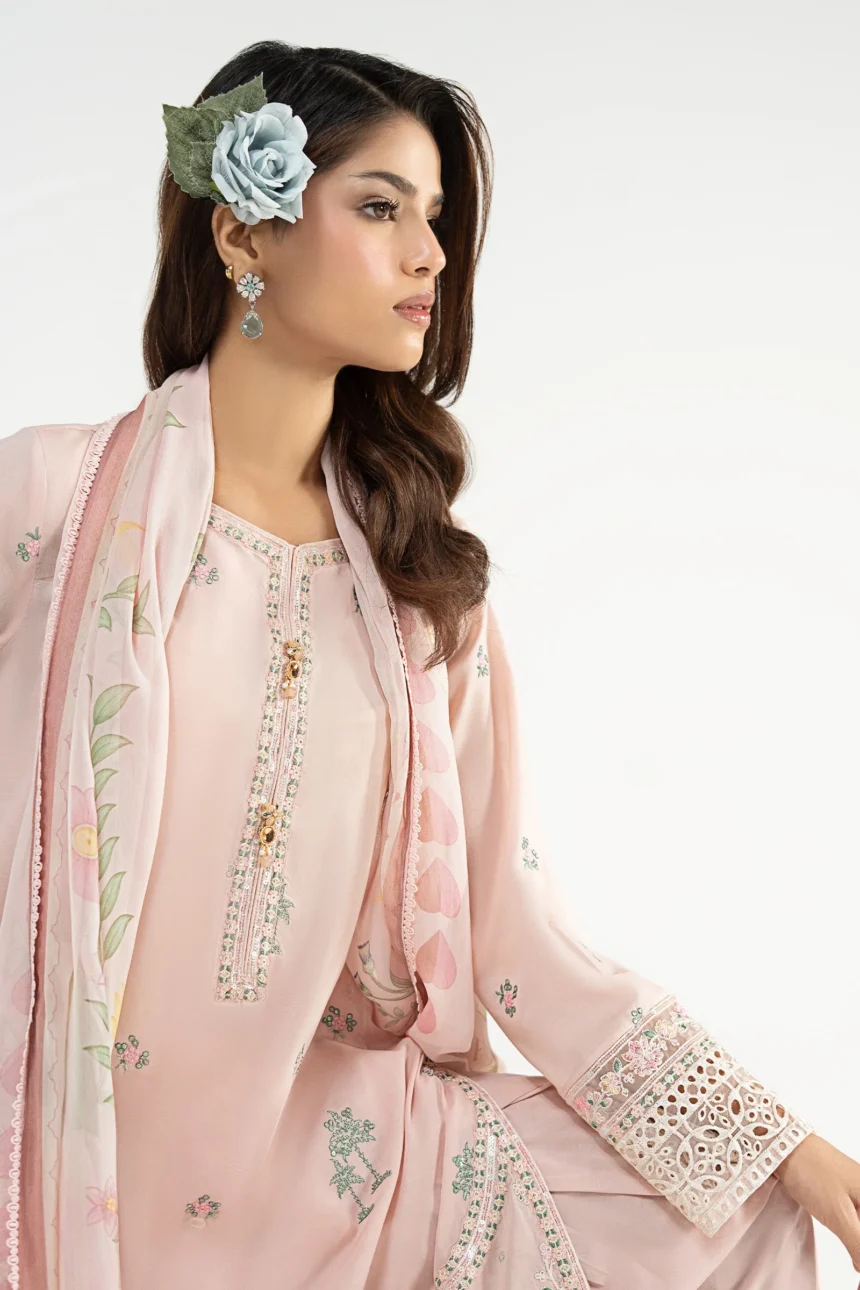
Pakistani fashion is particularly suited to mother-daughter coordination because it offers a rich variety of traditional and contemporary designs. Shalwar kameez, festive suits, embroidered dresses, and other cultural styles can be adapted across different age groups.
Families looking for inspiration can explore mommy and me pakistani outfits that combine traditional aesthetics with comfortable and age-appropriate designs. Such coordinated styles can celebrate cultural identity while giving mothers and daughters the freedom to choose silhouettes that suit them individually.
The focus should always remain on comfort, confidence, and personal expression rather than simply creating an identical appearance.
Choosing Colors That Work Together
Color is one of the simplest ways to create a coordinated look. Instead of selecting exactly the same shade, families can choose colors that complement one another.
For a festive occasion, rich and elegant tones may create a sophisticated appearance. For daytime events, softer shades can offer a lighter and more relaxed feel.
A few useful approaches include:
- Same color in different shades
- Neutral colors with one shared accent
- Complementary colors
- Matching colors with different prints
- Similar tones across different fabrics
The goal is to create harmony without making the outfits look overly uniform.
Coordinating for Weddings and Festive Events
Special occasions are perfect for mother-daughter fashion. Weddings, Eid celebrations, family dinners, and cultural gatherings often encourage more detailed and decorative clothing.
For these events, coordination can involve embroidery, embellishments, traditional prints, or elegant fabrics. Mothers may choose more detailed designs, while younger family members can wear simplified versions that are easier to move around in.
This creates a family appearance that feels connected while still being practical.
Casual Matching for Everyday Moments
Matching fashion does not have to be reserved for formal events. Casual coordinated outfits can be perfect for shopping trips, vacations, picnics, family outings, or relaxed weekends.
Simple T-shirts, dresses, co-ordinated separates, or traditional casualwear can all be styled together.
For everyday clothing, comfort should be a priority. Breathable fabrics, practical footwear, and easy-to-wear designs can make coordinated dressing enjoyable rather than restrictive.
Keeping Individuality in the Picture
Every person has a different personality and fashion preference. A successful mother-daughter look should celebrate those differences rather than remove them.
One person may prefer bright colors, while another likes neutral shades. One may enjoy traditional clothing, while the other prefers modern silhouettes. These preferences can still work together through carefully selected colors, patterns, or accessories.
Giving each person some freedom makes the experience more enjoyable and authentic.
Shopping for Coordinated Outfits
Planning before shopping can make the process much easier. Families should first decide where the outfits will be worn and what level of formality is appropriate.
It is also useful to check existing wardrobes. Sometimes a new accessory or complementary piece is enough to create a coordinated appearance without purchasing completely new outfits.
When shopping, consider:
- Fabric comfort
- Weather and season
- Occasion
- Personal preferences
- Ease of movement
- Long-term versatility
These factors can help families choose outfits that are both attractive and practical.
The Emotional Side of Matching Fashion
Beyond colors and designs, matching fashion can represent a shared experience. Choosing outfits together, discussing colors, and preparing for an event can create enjoyable memories.
Clothing becomes part of the story surrounding an occasion. Years later, photographs of coordinated outfits may remind families of celebrations, holidays, and meaningful moments spent together.
That emotional connection is one reason the trend continues to attract attention.
The Future of Mother-Daughter Fashion
The future of matching fashion is likely to become even more flexible. Rather than producing exact replicas, designers can continue creating collections that offer related styles for different ages.
Modern consumers increasingly value comfort, individuality, and versatility. As a result, coordinated fashion will likely focus on shared design elements rather than complete duplication.
This makes the trend accessible to more families and suitable for a wider variety of occasions.
Conclusion
Mother-daughter matching fashion combines personal style with togetherness, creating memorable looks for celebrations and everyday moments. Through shared colors, prints, fabrics, and details, families can coordinate without losing individuality. As fashion becomes more flexible, this trend offers a beautiful way to celebrate relationships, culture, creativity, and meaningful memories through clothing.