

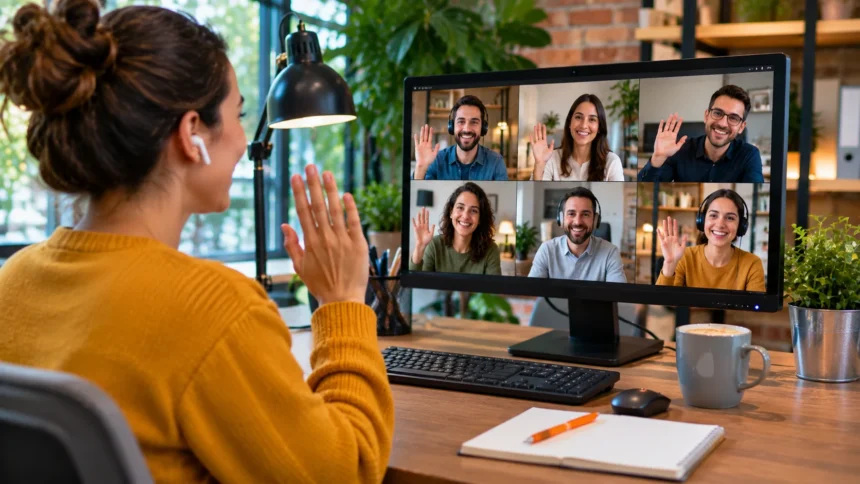
Remote work has changed how businesses communicate, collaborate, and build relationships with employees. Teams can now work together from different cities, countries, and time zones without sharing a physical office. However, this flexibility can sometimes leave remote employees feeling disconnected from coworkers, important decisions, and everyday workplace activities. Creating an inclusive remote environment is therefore essential for maintaining strong relationships and healthy teamwork.
Understanding how to make remote team members feel included helps managers improve communication, employee engagement, and workplace satisfaction. Remote workers want more than access to online meetings and messaging platforms. They also want opportunities to contribute ideas, develop professionally, and feel appreciated for their work. When businesses recognize these needs, they can create a stronger sense of belonging across distributed teams.
Why Remote Team Inclusion Matters
Remote team inclusion helps employees feel respected, valued, and connected to their organization. When workers operate from different locations, they may miss the informal conversations and shared experiences common in traditional offices. This distance can sometimes create feelings of isolation or uncertainty. Inclusive management practices help reduce these challenges and strengthen professional relationships.
Employees who feel included are often more comfortable sharing ideas and participating in team discussions. They understand how their responsibilities contribute to shared business goals. This sense of connection can support motivation, collaboration, and workplace satisfaction. Organizations benefit when distributed employees have meaningful opportunities to participate rather than simply receiving instructions.
Remote inclusion also influences long-term employee retention and organizational culture. Workers who feel overlooked may gradually become less engaged with their teams. Conversely, fair communication and consistent recognition can strengthen trust between employees and management. Businesses should therefore view inclusion as an important part of everyday remote team management rather than an optional employee benefit.
Build Clear and Consistent Communication Channels
Effective communication is the foundation of successful remote teamwork. Employees need reliable ways to receive updates, ask questions, and discuss their responsibilities. Without clear communication channels, important information may become scattered across emails, messages, and meetings. Establishing consistent practices helps everyone understand where conversations belong and how information should be shared.
Managers can organize communication around different purposes, such as project updates, urgent questions, and informal discussions. Shared messaging platforms and project management systems can support these activities when used thoughtfully. Teams should agree on reasonable response expectations and appropriate communication methods. This structure reduces confusion while allowing employees to concentrate on their work.
Communication should also remain accessible to people working in different locations and time zones. Important decisions should not depend exclusively on conversations involving employees who happen to be online together. Written summaries and shared documentation can keep everyone informed. Consistent communication helps remote team members feel connected to organizational activities and reduces the possibility of exclusion.
Make Remote Employees Feel Heard in Meetings
Virtual meetings should provide meaningful opportunities for every participant to contribute. In some teams, confident speakers dominate conversations while quieter employees struggle to share their perspectives. Remote participants may also face interruptions, technical difficulties, or limited opportunities to speak. Managers can improve inclusion by creating structured discussions that welcome different communication styles.
Meeting organizers should provide clear agendas before important discussions. This preparation gives employees time to review information and develop thoughtful suggestions. During meetings, facilitators can invite contributions from different participants without putting anyone under unnecessary pressure. Written comments or shared documents can also help employees communicate ideas when speaking is difficult.
Important decisions should be documented after meetings so absent colleagues remain informed. Managers should avoid assuming that silence means agreement or lack of interest. Employees may need additional time to consider complex questions. Creating fair participation opportunities improves collaboration and helps distributed team members feel that their perspectives genuinely matter.
Schedule Regular One-on-One Check-Ins
One-on-one meetings help managers build stronger relationships with remote employees. These conversations provide opportunities to discuss workloads, professional goals, and workplace concerns. Without regular contact, managers may overlook challenges that employees experience outside the office. Consistent check-ins demonstrate that workers are valued as individuals rather than simply as sources of completed tasks.
Managers should create a comfortable environment where employees can discuss their experiences openly. Questions about current responsibilities, communication difficulties, and available support can reveal useful information. The conversation should not focus exclusively on performance measurements. Employees also need opportunities to explain what helps them work effectively and what prevents them from feeling connected.
Check-ins should follow a reasonable schedule that reflects individual needs and responsibilities. Some employees benefit from weekly conversations, while others prefer less frequent meetings. Managers should respect personal boundaries and avoid turning supportive discussions into unnecessary supervision. Thoughtful one-on-one communication strengthens trust and encourages employees to raise concerns before they become serious problems.
Create Opportunities for Virtual Team Bonding
Remote employees often miss spontaneous interactions that naturally occur in shared office environments. Informal conversations can help coworkers develop trust and understand one another beyond specific project responsibilities. Virtual team bonding activities provide opportunities to recreate some of these connections. However, activities should remain enjoyable and respectful of employees’ working schedules.
Organizations can arrange optional virtual coffee chats, casual discussion sessions, or collaborative activities unrelated to immediate deadlines. These interactions allow employees from different departments to become familiar with one another. Simple activities often work better than elaborate programs that require extensive preparation. The goal is to encourage authentic relationships rather than force participation.
Team bonding should also respect differences in personality, culture, and personal preferences. Some employees enjoy group conversations, while others prefer smaller interactions. Offering different participation options makes activities more welcoming. Managers should avoid using attendance at optional social events as a measure of commitment or professional performance.
Recognize Remote Employees for Their Contributions
Recognition helps remote workers understand that their efforts are visible and appreciated. Employees who rarely interact with managers in person may wonder whether their contributions receive enough attention. Consistent appreciation can reduce this uncertainty and reinforce positive workplace relationships. Recognition also supports motivation by connecting individual achievements with broader organizational goals.
Managers can acknowledge accomplishments during team meetings, through private messages, or within shared communication channels. Appreciation should describe specific contributions rather than rely on general compliments. Recognizing thoughtful problem-solving, collaboration, and dependable performance helps employees understand what their organization values. Private recognition may be more appropriate for workers who dislike public attention.
Fairness is especially important when recognizing employees in hybrid and distributed workplaces. Office-based workers should not receive more appreciation simply because managers encounter them more frequently. Recognition should reflect genuine contributions regardless of location. Consistent and thoughtful acknowledgment helps remote employees feel respected and connected to their team’s success.
Give Remote Workers Equal Career Growth Opportunities
Career development is an important part of making remote employees feel included. Workers want to know that their location will not prevent them from learning new skills or advancing professionally. When office-based employees receive greater access to training or promotions, remote colleagues may feel disadvantaged. Organizations should establish fair development opportunities for everyone.
Remote employees can benefit from mentorship programs, virtual training, and opportunities to lead meaningful projects. Managers should discuss professional goals during regular development conversations. Clear information about promotion requirements and available positions also supports transparency. Employees are more likely to remain engaged when they understand how their careers can progress within the organization.
Career opportunities should be based on relevant skills, performance, and qualifications rather than physical visibility. Managers should review whether remote employees receive equal consideration for important assignments and leadership responsibilities. Internal development resources should also be accessible across locations. These practices help employees feel that their professional futures matter regardless of where they work.
Encourage Collaboration Across Different Locations
Remote teamwork becomes more inclusive when employees collaborate regularly across departments and locations. Working together helps colleagues understand different skills, perspectives, and responsibilities. It can also prevent distributed teams from becoming isolated groups with limited interaction. Meaningful collaboration strengthens relationships while supporting more effective project outcomes.
Managers can create shared projects that involve employees from different locations when their expertise is relevant. Clear responsibilities and communication expectations help these projects operate smoothly. Collaborative documents and project management platforms can make progress visible to everyone. Employees should understand how their work connects with the contributions of other team members.
Collaboration should remain purposeful rather than creating additional meetings or unnecessary administrative work. Teams need enough independence to complete their responsibilities efficiently. Managers can encourage knowledge-sharing sessions and occasional cross-functional discussions where they provide practical value. This balance supports stronger teamwork while respecting employees’ time and individual working preferences.
Respect Different Time Zones and Working Hours
Time zone differences are a common challenge for international remote teams. Employees may begin and finish work at different hours, making simultaneous communication difficult. Requiring everyone to attend meetings outside reasonable working times can create frustration. Inclusive scheduling recognizes these differences and aims to distribute inconvenience fairly.
Managers should identify suitable overlapping hours for essential conversations whenever possible. Rotating meeting schedules can prevent the same employees from repeatedly attending inconvenient sessions. Recorded presentations and written meeting summaries also help colleagues stay informed. These practices support collaboration without requiring every employee to be available at the same time.
Asynchronous communication is especially valuable for distributed teams. Employees can share project updates, questions, and feedback without expecting immediate responses. Clear documentation helps work continue across different schedules. Respecting local working hours demonstrates fairness and reduces the pressure employees may feel to remain constantly connected.
Build Trust Instead of Micromanaging Remote Workers
Trust is essential for maintaining healthy relationships with remote employees. Managers cannot observe every activity throughout the day, and attempting to do so can create unnecessary stress. Excessive monitoring may suggest that employees are not trusted to manage their responsibilities. A more supportive approach focuses on clear expectations and meaningful work outcomes.
Managers should establish realistic goals, deadlines, and quality standards. Employees can then organize their work according to agreed responsibilities and professional judgment. Regular progress conversations provide opportunities to address obstacles without checking every minor activity. This approach encourages accountability while allowing workers to maintain reasonable independence.
Trust also requires consistent communication and appropriate support. Employees should feel comfortable asking questions or explaining when additional resources are needed. Managers must respond constructively instead of treating every difficulty as a performance failure. When employees experience trust and respect, they are more likely to participate confidently in team activities.
Create an Inclusive Remote Onboarding Process
The first few weeks of remote employment strongly influence how new team members experience the organization. Without a structured onboarding process, employees may struggle to understand communication systems, workplace expectations, and team relationships. They may also hesitate to ask basic questions. A welcoming introduction helps new workers feel connected from the beginning.
Organizations should provide clear onboarding materials covering responsibilities, essential tools, and communication procedures. New employees also benefit from introductions to teammates and important internal contacts. Assigning an experienced colleague as a support person can make everyday questions easier to address. These steps help reduce uncertainty and encourage early participation.
Remote onboarding should continue beyond the first day or initial training session. Managers can schedule follow-up conversations to understand how new employees are adjusting. Feedback about the onboarding experience may reveal missing information or unnecessary difficulties. Consistent support helps new hires develop confidence and become active members of their distributed teams.
Promote Psychological Safety in Remote Teams
Psychological safety means employees feel able to ask questions, share concerns, and discuss mistakes without unnecessary fear of embarrassment or unfair punishment. This environment is particularly important for remote teams because communication can sometimes feel less personal. Workers may hesitate to challenge ideas when they are unsure how colleagues will respond.
Managers can encourage psychological safety by listening respectfully and acknowledging different perspectives. When employees raise concerns, leaders should respond thoughtfully rather than dismissing their experiences. Mistakes should be examined fairly, with attention to learning and improvement. These behaviors help workers understand that honest communication is welcome within the organization.
Psychological safety does not mean removing accountability or avoiding difficult conversations. Teams still need clear standards and constructive performance feedback. The difference is that discussions remain respectful and focused on solving problems. A supportive environment encourages remote employees to participate actively and communicate challenges before they become more serious.
Make Important Company Information Accessible to Everyone
Remote employees can feel excluded when important information is shared only through informal office conversations. Decisions made during hallway discussions or in-person meetings may never reach distributed colleagues. This information gap can create confusion and unequal opportunities. Organizations should therefore make essential updates accessible through consistent internal communication systems.
Shared documents, project dashboards, and internal knowledge bases can provide reliable access to important information. Managers should record significant decisions, policy changes, and project expectations in appropriate locations. Employees also need to know where these resources are stored. Clear information management reduces unnecessary questions and allows team members to work more independently.
Information accessibility should include different communication preferences and practical needs. Written summaries can support employees who cannot attend live meetings or prefer reviewing detailed information. Organizations should also consider accessibility features in their digital platforms. When important knowledge is equally available, remote workers can contribute more confidently to shared objectives.
Celebrate Team Successes With Remote Employees
Celebrating achievements helps employees feel connected to the organization’s progress. Remote workers may miss office celebrations or informal conversations about completed projects. Without deliberate inclusion, these moments can become experiences shared mainly by employees working on-site. Organizations should create recognition practices that involve the entire team.
Team celebrations can include short virtual gatherings, shared appreciation messages, or project completion announcements. Managers should explain how different contributors supported the outcome. Recognizing collective achievements encourages cooperation rather than unnecessary competition. Simple celebrations can be meaningful when they reflect genuine accomplishments and remain considerate of employees’ schedules.
Celebrations should also remain inclusive of different cultures and personal preferences. Not every employee enjoys public attention or social activities. Offering optional participation and different forms of recognition can make these moments more comfortable. The purpose is to appreciate shared success while ensuring remote team members receive equal acknowledgment.
Support Work-Life Balance for Remote Employees
Remote work provides flexibility, but it can also blur the boundaries between professional and personal life. Employees may feel pressure to remain available after scheduled working hours. This expectation can lead to stress and reduce job satisfaction. Inclusive management recognizes that remote employees need reasonable boundaries just like office-based workers.
Managers should communicate realistic expectations about availability, deadlines, and response times. Employees should have opportunities to take breaks and use their available leave. Workloads must also remain manageable, particularly when teams operate across different time zones. These practices help prevent remote work from becoming a constant source of pressure.
Supporting work-life balance demonstrates respect for employees’ personal responsibilities. Workers may have different family commitments, living arrangements, and preferred schedules. Reasonable flexibility can help them maintain productivity without sacrificing personal well-being. Organizations that support healthy boundaries create more sustainable working conditions and stronger employee relationships.
Provide the Right Tools for Remote Collaboration
Remote employees need reliable technology to communicate and complete their responsibilities effectively. Poor software, unclear workflows, and limited access to essential resources can create frustration. These difficulties may also make workers feel unsupported compared with office-based colleagues. Providing suitable tools helps establish a more consistent working experience.
Organizations should evaluate their communication, file-sharing, and project management systems regularly. Employees need appropriate access permissions and clear instructions for using essential platforms. Technical support should remain available when problems occur. Consistent tools and reliable assistance help remote workers contribute without unnecessary interruptions or barriers.
Technology should simplify collaboration rather than introduce additional complexity. Using too many overlapping platforms can scatter information and make responsibilities harder to manage. Managers should ask employees which tools genuinely improve productivity. A streamlined digital workplace supports inclusion by making shared information and communication easier to access.
Ask Remote Employees for Feedback Regularly
Employee feedback provides valuable information about how inclusive a remote workplace feels. Managers may assume that communication practices are effective without understanding employees’ actual experiences. Regular feedback helps reveal problems involving meetings, workload distribution, recognition, or access to opportunities. These insights can guide practical improvements.
Organizations can collect feedback through surveys, individual conversations, and structured team discussions. Questions should encourage employees to describe specific experiences rather than provide only simple satisfaction ratings. Confidential options may help workers share concerns they hesitate to discuss publicly. Managers should also consider differences between remote, hybrid, and office-based employees.
Feedback becomes meaningful when organizations respond with appropriate action. Leaders should explain which improvements are possible and communicate progress on agreed changes. Some concerns may require additional time or resources. Even when immediate solutions are unavailable, thoughtful responses demonstrate that remote employees’ opinions receive serious consideration.
Avoid Favoritism Between Office and Remote Employees
Hybrid workplaces can unintentionally favor employees who spend more time in the office. These workers may receive additional visibility, informal information, or opportunities to interact with senior management. Remote colleagues can become disadvantaged when decisions rely heavily on physical presence. Recognizing this risk is essential for fair employee management.
Managers should evaluate performance based on relevant outcomes rather than office attendance alone. Promotions, development opportunities, and important assignments should follow clear and consistent criteria. Meetings should also provide equivalent opportunities for remote participants. These practices reduce proximity bias and help employees trust organizational decisions.
Fair treatment does not require identical working arrangements for every position. Some responsibilities naturally involve different schedules or physical requirements. However, employees should understand why these differences exist and how decisions are made. Transparent policies help organizations create balanced experiences for both remote and office-based team members.
Measure Remote Employee Engagement and Inclusion
Measuring employee inclusion helps organizations understand whether their remote management strategies are effective. Engagement surveys, retention information, and employee feedback can reveal useful patterns. Managers should also examine participation in development opportunities and important team activities. These indicators provide insight into whether workers feel connected and supported.
Organizations should avoid evaluating inclusion solely through meeting attendance or messaging activity. An employee may contribute effectively without frequently speaking during virtual discussions. Similarly, high online activity does not necessarily demonstrate job satisfaction. A balanced assessment considers employee experiences, work outcomes, and the fairness of organizational opportunities.
Inclusion efforts should improve as business needs and employee expectations change. Regular reviews can identify practices that no longer work well for distributed teams. Managers should communicate improvements and invite further feedback. Continuous attention to remote employee engagement supports a more adaptable, respectful, and connected workplace.
Conclusion
Learning how to make remote team members feel included requires more than scheduling virtual meetings or organizing occasional social activities. Employees need consistent communication, meaningful recognition, professional growth opportunities, and respectful management. These practices help distributed workers feel connected to their colleagues and understand the value of their contributions. A supportive remote environment can strengthen teamwork and workplace satisfaction.
Successful remote inclusion also depends on fairness and trust. Managers should avoid favoring office-based employees, respect different working schedules, and provide equal access to essential information. Regular check-ins and employee feedback help identify challenges before they become serious problems. Organizations that respond thoughtfully to these needs can develop stronger relationships across locations.
Creating an inclusive remote workplace is an ongoing responsibility for leaders and employees. Small improvements in communication, collaboration, and recognition can make a meaningful difference over time. Businesses should regularly review whether their practices support every team member. By prioritizing belonging, fairness, and professional respect, organizations can build remote teams that feel valued and connected.
Frequently Asked Questions (FAQs)
How do you make remote employees feel included?
Make remote employees feel included through regular communication, fair recognition, meaningful collaboration, and equal career opportunities. Encourage feedback, respect different schedules, and ensure everyone can access important company information.
What are the best virtual team-building activities?
Optional virtual coffee chats, casual discussion sessions, collaborative games, and knowledge-sharing activities can help remote employees connect. The best activities are accessible, enjoyable, and respectful of different personalities and working schedules.
How can managers prevent remote employees from feeling isolated?
Managers can schedule supportive check-ins, encourage informal connections, and involve remote employees in important discussions. Creating accessible communication channels and providing meaningful team interactions also helps reduce feelings of isolation.
Why is inclusion important for remote teams?
Remote inclusion supports employee satisfaction, collaboration, trust, and organizational commitment. When employees feel respected and connected, they are more comfortable contributing ideas, discussing concerns, and participating in shared business goals.
How can companies measure remote employee engagement?
Companies can use employee surveys, regular feedback, retention trends, and participation in development opportunities. Combining several indicators provides a more accurate understanding than relying only on meeting attendance or online activity.