
Introduction
A road accident often creates a chain of responsibilities that extends far beyond the moment of impact. After ensuring everyone’s safety, drivers must consider vehicle damage, collect relevant information, contact insurance companies, arrange professional assessments, and decide how repairs should be handled. Each step involves different requirements, and overlooking an important detail can make the process more complicated.
For many vehicle owners, the biggest challenge is knowing where to begin. A damaged car may need immediate attention, but arranging repairs before understanding the extent of the damage can create difficulties later. Similarly, relying on an informal repair price without proper documentation may leave important questions unanswered when discussing the incident with an insurer.
A systematic approach can make the entire process easier to manage. Understanding the responsibilities involved, preparing the right documents, and choosing an appropriate professional assessment can help vehicle owners move from the initial accident to the final repair with greater confidence.
A Kfz online Gutachten provides a digital option for documenting accident damage and obtaining a professional evaluation. For smaller repair matters, an online Kostenvoranschlag can help establish the anticipated repair expenses.
Both services address different requirements within the vehicle damage process, making it important to understand when each option may be appropriate.
Stage One: Deal With the Immediate Situation
The first priority after an accident is always safety. Before thinking about vehicle repairs or insurance documentation, drivers should check whether anyone has been injured and whether the surrounding area presents additional danger.
Emergency services should be contacted when necessary. If the accident involves injuries, significant damage, or circumstances requiring police involvement, the appropriate authorities should be informed.
Once the immediate situation is under control, drivers can begin recording relevant information.
Where it is safe to do so, photographs should be taken before vehicles are moved or damaged components are disturbed. These images can help establish the position of the vehicles, visible damage, road conditions, and other details that may be relevant later.
Drivers should also exchange the necessary contact and insurance information with the other parties involved.
It is important to remain factual when describing what happened. Avoid making assumptions about technical damage or accepting responsibility without understanding the circumstances.
The information collected at this stage can become valuable when preparing an insurance claim or arranging a professional inspection.
Stage Two: Create a Complete Record of the Accident
Good documentation is one of the foundations of an organised damage settlement.
A vehicle owner should not depend entirely on memory when explaining the incident several days later. Recording important details immediately can reduce the possibility of missing information.
Start by writing down the date, approximate time, location, and circumstances of the accident.
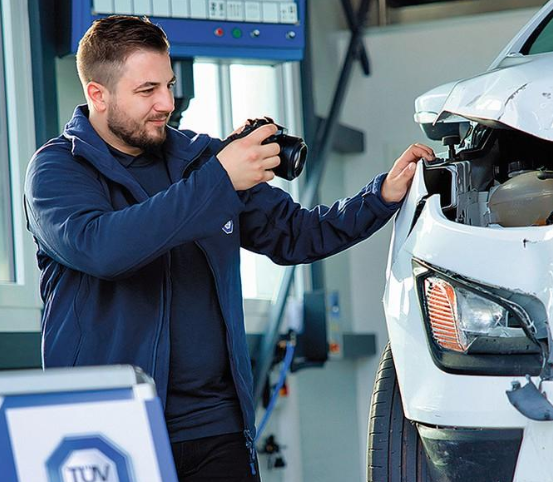
Photograph the damaged vehicle from several directions. Capture the complete car, individual damaged components, and any visible deformation or broken parts.
If the accident involved multiple vehicles, photograph the relevant damage where permitted and safe.
Other useful information may include:
- Names and contact details of the parties involved.
- Vehicle registration information.
- Insurance company details.
- Witness contact information, where available.
- Police reference or accident report information.
- Photographs from the accident location.
- Any documents exchanged at the scene.
Vehicle owners should keep these materials together rather than storing them across different email accounts, messaging conversations, and devices.
A simple digital folder can make it easier to locate everything when communicating with an insurer or automotive expert.
Stage Three: Understand the Actual Extent of the Vehicle Damage
Once the immediate documentation has been completed, attention turns to the vehicle itself.
A common mistake is assuming that the visible damage represents the entire problem. Modern vehicles contain numerous interconnected components, and an impact can affect parts that are not immediately accessible.
For example, a damaged rear bumper may involve parking sensors or supporting brackets. A front collision could affect headlights, cooling components, or structural elements behind the bumper cover.
Even relatively small accidents can create questions about component alignment, electrical connections, or the condition of safety-related systems.
This is why a professional assessment can be valuable.
An automotive expert evaluates the available evidence and determines which damage-related aspects require consideration. Depending on the case, the assessment may include repair calculations, technical observations, and other financial information.
The purpose is to replace guesswork with a more structured understanding of the vehicle’s condition.
Stage Four: Choose the Appropriate Type of Assessment
Not every accident requires the same type of documentation. The appropriate service depends on the extent of the damage and what the vehicle owner needs to establish.
When a Full Vehicle Damage Report Is Appropriate
A comprehensive expert report may be suitable when the accident involves substantial damage or when the financial consequences extend beyond ordinary repair expenses.
For example, a vehicle owner may need information about the overall damage value, repair method, expected repair duration, or potential reduction in market value.
A full assessment can also be relevant when the owner needs a more detailed document for an insurance-related matter.
HelloGutachten provides an online vehicle assessment service through which customers can submit their vehicle details, damage photographs, and supporting information.
The digital process offers a convenient starting point for obtaining professional assistance without necessarily organising an initial physical appointment.
Whether a remote assessment is sufficient depends on the available evidence and the technical complexity of the damage. Additional inspection may be required when important details cannot be established through photographs.
When a Repair Cost Estimate Is Sufficient
A smaller accident may involve relatively straightforward damage, such as a scratched door, a dented exterior panel, or a damaged bumper cover.
In these situations, the main question may simply be how much the necessary repair work is expected to cost.
An online Kostenvoranschlag can provide a practical starting point by allowing the vehicle owner to submit photographs and vehicle details digitally.
HelloGutachten offers a separate online process for preparing repair cost estimates.
The resulting calculation can help owners understand anticipated expenses and discuss the proposed work with a workshop or insurer.
However, a repair estimate generally has a narrower scope than a comprehensive accident report. If questions about diminished value, replacement value, or other damage-related considerations arise, a more extensive assessment may be necessary.
Stage Five: Prepare the Information Needed by the Expert
The quality of an assessment depends partly on the information provided by the vehicle owner.
Incomplete photographs or inaccurate vehicle details can make it difficult to understand the actual situation. Preparing the necessary information in advance can therefore make the process more efficient.
Vehicle Identification
Provide the correct make, model, production year, and other relevant specifications.
The vehicle registration document can help confirm technical details. If the car has additional equipment that may influence the repair, relevant information should also be supplied.
Damage Photographs
Take overview photographs of the entire vehicle and close-ups of every affected section.
Images should be clear, properly focused, and taken from multiple directions. Avoid relying on photographs that show only one side of a damaged component.
Accident Description
Write a short explanation of how the accident happened.
Mention the direction of the impact, the areas involved, and any unusual observations. For example, if a warning light appeared after the collision or a door became difficult to close, this information should be included.
Supporting Documents
Available accident reports, insurance correspondence, previous repair records, and workshop documents may provide additional context.
If certain documents are not immediately available, ask the service provider whether they can be submitted later.
HelloGutachten allows customers to start the digital process with available information and provide additional documents where necessary.
Stage Six: Understand the Repair Calculation
A professional repair calculation should provide more than an approximate amount.
Vehicle repairs involve several individual operations, and understanding these components helps owners evaluate the expected work.
For instance, repairing a damaged door may involve removing interior trim, correcting the deformation, preparing the surface, applying paint, and reinstalling the affected components.
If replacement is necessary, the calculation may include the price of the new part and the labour required for installation.
Modern vehicles can also require electronic diagnostics, sensor calibration, or additional adjustments following certain types of damage.
Several cost elements may therefore contribute to the overall calculation:
Replacement parts: The cost of components needed to restore the vehicle.
Labour: The time required for removal, repair, installation, and adjustment.
Paintwork: Preparation, refinishing, and colour matching where necessary.
Technical operations: Additional procedures required for electronic or safety-related components.
Other necessary work: Operations identified as relevant to the particular damage.
The exact requirements depend on the vehicle and the circumstances. A professional calculation should reflect the actual repair situation rather than assume that every damaged component needs replacement.
Stage Seven: Communicate Effectively With the Insurance Company
Once the necessary documentation has been prepared, the vehicle owner may need to communicate with the relevant insurer.
The requirements depend on the type of insurance claim, the accident circumstances, and the applicable policy conditions.
For example, a claim involving another driver’s liability insurance may follow a different process from a claim made under the vehicle owner’s own comprehensive insurance.
It is important to provide accurate information and respond to requests for additional documents.
A professional assessment can help explain the technical and financial aspects of the damage. However, it does not automatically guarantee that every calculated amount will be accepted or reimbursed.
The insurer may review the submitted report, request additional evidence, or arrange another inspection.
Vehicle owners should therefore understand the relevant claim requirements before making financial commitments.
When disagreements arise about repair operations or damage calculations, obtaining appropriate professional or legal advice may be useful.
Stage Eight: Review the Repair Proposal Before Approving the Work
After obtaining an assessment, the next practical step is discussing the repair with a suitable workshop.
Before approving the work, vehicle owners should understand which components will be repaired, which parts may need replacement, and whether additional procedures are expected.
A few questions can make this conversation more productive:
- Does the workshop agree with the proposed repair method?
- Are the replacement components original or alternative parts?
- Is paintwork included in the calculation?
- Will electronic systems require diagnostic work?
- Could dismantling reveal additional damage?
- How will changes to the estimated costs be handled?
These questions help establish realistic expectations and reduce misunderstandings.
It is also important to distinguish between the original estimate and the final invoice.
Sometimes additional defects become visible only after a component has been removed. If this happens, the workshop should document the newly identified damage and explain the additional work before proceeding where appropriate.
Stage Nine: Keep Records Throughout the Repair Process
Documentation should not stop once the initial assessment has been completed.
Vehicle owners should retain all relevant invoices, workshop reports, replacement-part details, and correspondence.
Photographs taken before and after repairs can also help establish what work was completed.
If the repair process takes longer than expected, keep a record of important dates and communications.
This information may become useful when questions arise about repair quality, additional expenses, or the handling of the insurance claim.
A complete record can also support future maintenance and provide greater transparency if the vehicle is sold.
Why a Digital Process Can Simplify Accident Administration
Traditional vehicle assessment often requires coordinating appointments and arranging access to the damaged vehicle.
Digital services provide an alternative way to begin the process.
With HelloGutachten, customers can submit vehicle details and photographs online, allowing the initial review to begin without unnecessary preliminary travel.
This can be particularly useful when the vehicle is already at a workshop or when its condition makes travelling inconvenient.
The ability to submit documents electronically also makes it easier to organise photographs, registration details, and accident information in one place.
Customers can use the company’s available communication channels when they have questions or need to provide additional information.
Digital convenience does not mean that every vehicle can be fully assessed remotely. Certain damage requires physical examination or diagnostic procedures. Nevertheless, online submission can make the first stages of the process easier to manage.
Common Mistakes That Can Complicate a Damage Claim
Even when vehicle owners understand the basic process, several avoidable mistakes can create additional difficulties.
One common problem is delaying photographic documentation. Once repairs begin, the original condition of the damaged components may become harder to establish.
Another mistake is relying exclusively on a verbal repair price. Without a written calculation, it may be difficult to understand which operations are included.
Some drivers also overlook potential hidden damage because the vehicle appears driveable. Unusual noises, warning lights, steering problems, or fluid leaks should always be investigated.
A further issue is submitting incomplete vehicle information. Incorrect model specifications can affect the identification of replacement parts and the calculation of repair expenses.
Finally, approving repairs without understanding the insurance requirements can create financial uncertainty.
Taking time to organise information and obtain suitable professional guidance can help avoid many of these problems.
Conclusion: A Structured Approach Makes Vehicle Damage Settlement Easier
Managing an accident-related vehicle claim involves more than arranging repairs. Vehicle owners must document the incident, understand the damage, choose the appropriate assessment, communicate with insurers, and review repair proposals.
Each stage contributes to a clearer understanding of the situation.
A comprehensive vehicle damage report can be valuable when the accident involves substantial damage or additional financial considerations. For smaller and clearly identifiable defects, a digital repair cost estimate may provide the information needed to plan the next steps.
HelloGutachten offers online options for both services, enabling customers to submit photographs, vehicle information, and supporting documents digitally.
By approaching the process systematically and maintaining accurate records, drivers can make better-informed decisions and reduce unnecessary uncertainty. The goal is not simply to return the vehicle to the road, but to ensure that the damage, expected expenses, and relevant financial considerations have been properly understood before moving forward.