

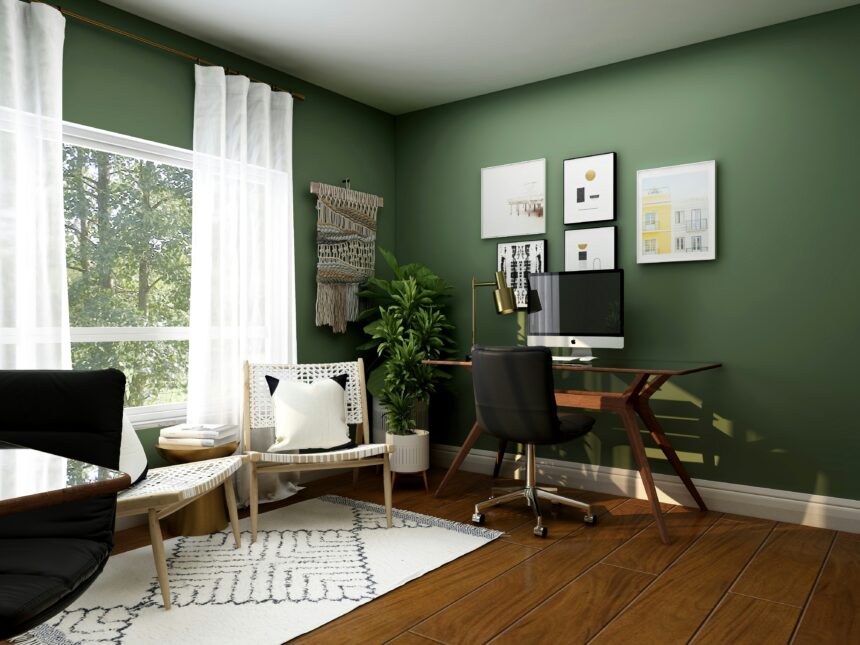
The move to remote work has transformed the way we approach our daily routines. As more people set up shop at home, creating a functional workspace becomes essential. A well-designed home office doesn’t just boost productivity; it enhances focus and fosters creativity. Whether you’re working from a cozy corner of your living room or have dedicated space in a spare room, how you organize and design that area can make all the difference.
In a world where distractions are everywhere, having an efficient home office helps you carve out boundaries between work and personal life. Imagine walking into your workspace feeling inspired instead of overwhelmed by clutter. Let’s explore practical ways to build a home office that meets your needs while reflecting your unique style!
The Importance of a Functional Home Office
A functional home office is more than just a trend; it’s essential for today’s remote workforce. It creates an environment conducive to productivity and focus, enabling you to tackle tasks efficiently.
When your workspace is well-organized and equipped, distractions diminish. This clarity allows ideas to flow freely, resulting in higher quality work.
Furthermore, having a designated area for work helps establish boundaries between personal life and professional commitments. This separation can reduce stress and enhance overall well-being.
Investing time into creating an effective setup not only boosts motivation but also encourages creativity. A thoughtfully designed space inspires you every day as you step into your own world of possibilities.
The way we design our home offices influences how we perform in our jobs. Making it functional lays the groundwork for success in a flexible working landscape.
Assessing Your Needs and Space
Before diving into the design of your home office, take a moment to assess your specific needs. Consider what tasks you’ll be tackling daily. Are you focused on video calls, writing reports, or brainstorming ideas? Your work requirements will heavily influence the setup.
Next, evaluate your available space. Measure dimensions and note any architectural features like windows or built-ins that may impact layout decisions. This helps create a personalized environment where functionality meets comfort.
Think about storage too. Do you need shelves for books and supplies? Or perhaps a filing cabinet for important documents? Understanding these elements allows you to plan effectively without overcrowding your workspace.
Don’t forget about lighting options. Natural light can boost mood and energy levels while good artificial lighting is crucial for evening work sessions. Take stock of what’s available before finalizing plans for your ideal office setup.
Designing Your Home Office Layout
When it comes to designing your home office layout, the first step is to evaluate your space. Consider natural light sources and how they can enhance your work environment. A well-lit area can boost mood and productivity.
Next, think about functionality. Position your desk near essential resources like power outlets or printers. Create a flow that allows easy movement between different areas of the room.
Don’t forget about ergonomics. Your chair should support good posture while ensuring you’re comfortable during long hours of work. If possible, try out various arrangements before settling on one that feels right.
Incorporate zones for specific tasks—like a reading corner or a brainstorming wall—to keep inspiration flowing. This separation helps maintain focus and reduces distractions throughout the day.
Be mindful of clutter control by leaving enough space for everything you need without overwhelming the visual aesthetics of your workspace.
Choosing the Right Furniture and Equipment
Selecting the right furniture and equipment can transform your home office into a productive haven. Start with your desk. It should be spacious enough for your computer, documents, and any other essentials.
Invest in an ergonomic chair that provides support during long hours of work. Comfort is key to maintaining focus and avoiding fatigue.
Consider storage solutions as well. Shelves, filing cabinets, or even decorative boxes can keep clutter at bay while adding style.
For technology, ensure you have reliable devices—like a fast computer and quality peripherals—that meet your needs without causing frustration.
Don’t overlook lighting; natural light is ideal but add task lamps for those late-night projects. Incorporating elements like plants can also enhance the atmosphere and improve air quality.
Choosing wisely will create an environment that fosters creativity and efficiency.
Tips for Organizing Your Home Office
Organizing your home office can transform chaos into clarity. Start by decluttering your workspace. Remove items that don’t serve a purpose, and keep only what you need within arm’s reach.
Utilize vertical storage solutions like shelves or wall-mounted organizers. This frees up desk space while keeping essentials accessible. Invest in drawer dividers to separate supplies, making it easy to find what you’re looking for.
Label everything—files, boxes, and even cables. A simple label can save precious time during busy workdays. Consider using color-coded systems for different tasks or projects; visual cues can enhance efficiency.
Don’t forget about digital organization! Regularly sort through emails and files on your computer to avoid digital clutter. Tools like cloud storage make accessing documents a breeze while keeping them safe.
Maintain a routine check-in schedule for tidying up your space weekly. A few minutes of upkeep goes a long way in preserving an organized environment.
Maximizing Comfort and Productivity
To maximize comfort and productivity, start with your seating. Invest in an ergonomic chair that supports your back while allowing you to sit for extended periods without discomfort.
Lighting plays a crucial role as well. Aim for natural light where possible, but complement it with adjustable desk lamps to reduce eye strain during late-night work sessions.
Temperature control is another essential factor. Keep the room at a comfortable temperature; consider using fans or space heaters if needed to create an inviting atmosphere.
Take regular breaks to recharge your mind. A quick walk around the house can refresh your focus significantly.
Incorporate plants into your workspace too. They not only improve air quality but also enhance mood and creativity, fostering a vibrant working environment.
Incorporating Personal Touches
Your home office should reflect your personality. Adding personal touches can transform a mundane workspace into an inspiring haven.
Start with artwork that resonates with you. Prints, photos, or even handmade crafts can brighten the walls and spark creativity.
Plants are another great addition. They not only purify the air but also bring life to your space. Choose low-maintenance varieties if you’re busy.
Consider incorporating items that motivate you—a favorite mug, books that inspire, or quotes displayed prominently can keep you focused on your goals.
Lighting plays a crucial role too. A unique lamp or string lights can add warmth and character while improving visibility during late-night work sessions.
Creating a vision board is an excellent way to visualize dreams and aspirations right from your desk. This visual reminder keeps motivation high as you tackle daily tasks.
Creating a Schedule and Routine
Establishing a schedule can transform your work-from-home experience. It brings structure to your day, helping you manage tasks efficiently.
Start by identifying your peak productivity hours. Some people thrive in the morning while others find their flow later in the day. Tailor your most challenging tasks to align with these times.
Incorporate regular breaks into your routine. Short pauses boost focus and creativity, allowing for better output when you return to work.
Don’t forget about personal time. Block out moments for exercise or downtime to recharge both physically and mentally.
Use digital tools or planners that suit your style. Visual aids can keep you organized and motivated throughout the week.
Be flexible with adjustments as needed. Life happens, and adapting is key to maintaining a productive rhythm at home.
Maintaining a Healthy Work-Life Balance
Maintaining a healthy work-life balance is crucial for long-term success and well-being. When your home doubles as your office, boundaries can blur easily.
Set clear start and end times for your workday. This helps establish a routine that separates personal time from professional responsibilities. Use tools like calendar alerts to remind you when it’s time to switch off.
Make space for breaks throughout the day. Even short moments of stretching or grabbing a snack can refresh your mind, enhancing productivity.
Prioritize activities outside of work too—hobbies, exercise, or spending time with loved ones rejuvenate you mentally and physically.
Consider implementing “no screen” hours in the evening. This practice promotes relaxation without digital distractions that often invade personal life.
Stay mindful about how you’re feeling during the day; check in with yourself regularly to assess if adjustments are needed to maintain that essential equilibrium.
Conclusion
Creating a functional home office is essential for maintaining productivity and focus in today’s work-from-home environment. By assessing your needs, designing an effective layout, and investing in the right furniture, you can create a space that works seamlessly for you.
Organizing your office efficiently helps reduce distractions while maximizing comfort ensures that long hours are more bearable. Personal touches make the space uniquely yours, fostering inspiration and creativity.
Establishing a routine is equally important to maintain structure throughout your day. Balancing work with personal life not only promotes well-being but also enhances overall job satisfaction.
With careful planning and consideration, transforming your workspace into a functional haven can lead to greater success in both professional tasks and daily activities. Embrace the changes needed to cultivate an environment where you thrive.