

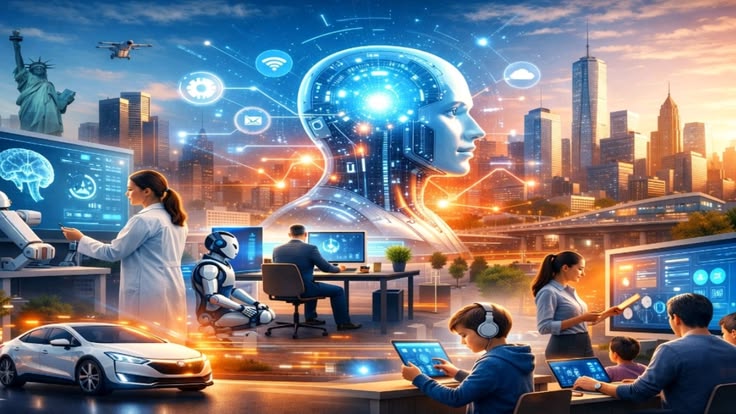
Artificial Intelligence (AI) is no longer just a concept from science fiction. It has seamlessly woven itself into the fabric of our daily lives, transforming how we interact with technology and each other. From the moment you wake up to your smart home device gently nudging you awake, to using AI-driven tools at work or in health care, its presence is undeniable.
As we navigate through this rapidly changing landscape, it’s fascinating to explore how AI not only enhances convenience but also reshapes entire industries. With every advancement, new possibilities emerge that challenge our understanding of what it means to live in an increasingly automated world. Let’s dive deeper into these transformative changes and discover how they’re influencing everything around us.
AI in Virtual Assistants and Smart Home Devices
Virtual assistants and smart home devices have become everyday companions for many. These AI-driven technologies are designed to make life easier and more efficient.
Consider how simple tasks, like managing schedules or controlling lights, have transformed. With just a voice command or a tap on an app, you can adjust your home environment to suit your mood.
Imagine asking your virtual assistant to play music while cooking dinner or set reminders for important meetings. It’s like having a personal concierge at your fingertips.
Smart thermostats learn from your habits and optimize energy use automatically. This not only enhances comfort but also helps save on utility bills.
From security systems that recognize faces to appliances that adapt their functions based on usage patterns, the integration of AI into our homes is creating smarter living spaces every day.
AI in Healthcare
AI is revolutionizing healthcare by enhancing diagnostics and personalizing treatment. Machine learning algorithms analyze vast amounts of medical data, identifying patterns that can lead to earlier disease detection.
For instance, AI systems can interpret medical images with impressive accuracy. They assist radiologists in spotting tumors and abnormalities that might be missed during manual evaluations.
In addition, chatbots are transforming patient interactions. These virtual assistants provide 24/7 support, answering questions about symptoms or medication side effects, which helps alleviate the burden on healthcare professionals.
Furthermore, predictive analytics play a crucial role in managing public health crises. By analyzing trends from various data sources, AI tools can forecast outbreaks and help allocate resources effectively.
The integration of these technologies not only improves patient outcomes but also streamlines operations within healthcare settings. As a result, providers can focus more on patient care rather than administrative tasks.
AI in Education
AI is reshaping education in remarkable ways. Personalized learning experiences are becoming the norm, with adaptive software tailoring lessons to individual student needs. This fosters engagement and enhances understanding.
Intelligent tutoring systems provide instant feedback, helping learners grasp complex concepts more effectively. These tools can identify where a student struggles and offer targeted resources for improvement.
Educators also benefit from AI by automating administrative tasks. Grading assignments or organizing schedules becomes less time-consuming, allowing teachers to focus on what truly matters: inspiring their students.
Additionally, AI-driven analytics give insights into class performance and trends. Schools can utilize this data to enhance teaching methods and improve curriculum design.
The incorporation of virtual classrooms powered by AI opens doors for remote learning, making quality education accessible worldwide. The landscape of education is evolving rapidly thanks to these innovative technologies that cater not just to students but also educators alike.
AI in Transportation
AI is reshaping the transportation landscape in ways we never thought possible. From self-driving cars to intelligent traffic management systems, its influence is profound.
Autonomous vehicles are at the forefront of this revolution. These smart machines use AI algorithms to navigate roads, interpret sensor data, and even communicate with other vehicles. This technology promises increased safety and efficiency on our roadways.
Public transit systems are also leveraging AI for real-time tracking and predictive analytics. Commuters can receive instant updates about bus or train arrivals, helping them plan their journeys better.
Moreover, ride-sharing platforms utilize AI to match riders with drivers effectively. This not only optimizes routes but also minimizes wait times for users.
As cities evolve, integrating AI into transportation speaks volumes about future mobility solutions that prioritize connectivity and sustainability. The possibilities seem endless as innovation continues to unfold in this domain.
Ethical Concerns Surrounding AI
As artificial intelligence continues to evolve, ethical concerns have emerged at the forefront of discussions. One significant issue is privacy. AI systems often rely on vast amounts of data, raising questions about how this information is collected and used.
Bias in algorithms is another pressing concern. If AI learns from flawed data sets, it may perpetuate existing inequalities or make decisions that disadvantage certain groups. This can have serious implications in sectors like hiring or law enforcement.
Then there’s the matter of accountability. When an autonomous system makes a mistake, who takes responsibility? The developers, users, or the technology itself? These dilemmas highlight the complexities surrounding AI deployment.
There’s worry over job displacement as automation advances rapidly. While efficiency gains are promising, workers must adapt to a shifting landscape where traditional roles may vanish altogether. Addressing these challenges requires careful consideration and dialogue among stakeholders.
The Future of AI and Its Impact on Society
The future of AI holds immense potential to reshape our society in ways we can barely imagine. As technology advances, AI will integrate deeper into various aspects of daily life. From enhancing productivity at work to creating more personalized experiences in entertainment, the possibilities are endless.
Moreover, AI’s role in addressing complex global challenges cannot be overlooked. It could streamline processes in agriculture, promote sustainable practices, and even aid scientists in climate research.
However, with these advancements come significant responsibilities. Society must navigate ethical considerations surrounding privacy and security as machines become increasingly autonomous.
Public discourse around regulation will also play a critical part in ensuring that development is both responsible and beneficial for all demographics.
As we embrace this transformative journey, collaboration between technologists and policymakers becomes essential for harnessing AI’s full potential while safeguarding humanity’s interests.
Conclusion
Artificial Intelligence is reshaping our world in remarkable ways. From the convenience of virtual assistants to breakthroughs in healthcare, AI is becoming a vital part of our daily lives. Educational tools are enhancing learning experiences while smart transportation systems promise safer and more efficient travel.
Yet, as we embrace these advancements, ethical concerns loom large. Issues like data privacy, job displacement, and decision-making transparency need careful consideration. The dialogue around these topics will shape how we integrate AI into society.
Looking ahead, the future holds immense potential for AI technologies to improve quality of life globally. As innovation continues to accelerate, staying informed about both benefits and challenges will be essential for individuals and communities alike. Embracing change with an open mind can lead us toward a smarter future filled with opportunities that enhance everyday living.