

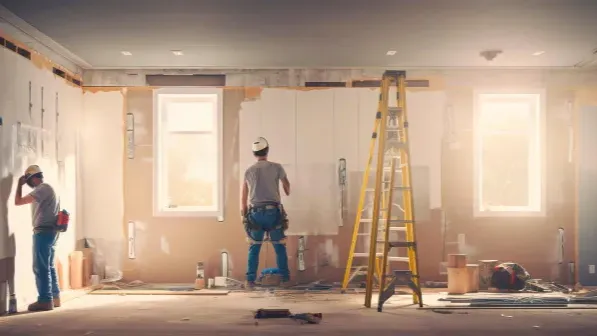
Home renovation can be an exciting way to improve your living space, increase comfort, and give your property a fresh new appearance. However, for beginners, the process can also feel overwhelming. Without proper planning, a renovation can quickly become more expensive, time-consuming, and complicated than expected.
Whether you are updating one room or planning a larger home improvement project, preparation is one of the most important parts of the process. A clear plan can help you control costs, choose suitable materials, avoid unnecessary delays, and decide which tasks you can handle yourself and which require professional help.
This guide explains essential home renovation tips for beginners and provides a practical starting point for planning a successful project.
Start With a Clear Renovation Plan
Before buying materials or removing anything, decide exactly what you want to accomplish.
Walk through your home and identify the areas that need improvement. Separate essential repairs from cosmetic changes. For example, fixing a leaking roof, damaged plumbing, or unsafe electrical wiring should generally take priority over repainting a room or replacing decorative features.
Create a written list of your goals and decide which projects need to be completed first. A well-defined scope can make budgeting and scheduling much easier.
Set a Realistic Budget
Budgeting is one of the most important steps in any renovation.
Start by estimating the cost of materials, labor, tools, permits, transportation, waste removal, and other expenses. Avoid using every dollar of your available budget on planned work because renovation projects can uncover unexpected problems.
Current renovation guidance from This Old House recommends allowing roughly 10–20% for unexpected costs or changes during a project.
For beginners, keeping a contingency fund can provide valuable protection if you discover damaged walls, outdated wiring, plumbing problems, moisture issues, or other hidden conditions.
Decide What You Can DIY
One of the easiest ways to control renovation costs is to complete suitable tasks yourself.
Painting, basic decorating, changing cabinet hardware, simple landscaping, and some minor cosmetic improvements may be appropriate for homeowners with the necessary skills and equipment.
However, complicated electrical, plumbing, structural, roofing, or HVAC work may require qualified professionals. The decision should depend on the complexity of the job, your experience, local regulations, and the potential consequences of making a mistake.
A useful rule for beginners is to avoid experimenting with systems that could create significant safety or structural problems.
Inspect the Home Before Renovating
Do not focus only on how your home looks. Examine its underlying condition.
Look for signs of moisture, cracks, damaged flooring, roof problems, outdated wiring, plumbing leaks, poor ventilation, and other issues that could affect the renovation.
Older homes may also contain hazards such as asbestos, lead, or mold. Renovating an older property can disturb these materials, so professional assessment may be appropriate when there is reason to suspect their presence.
Fixing underlying problems before installing new finishes can prevent you from having to remove newly completed work later.
Prioritize Repairs Over Decoration
It can be tempting to begin with attractive improvements such as new flooring, modern lighting, decorative walls, or stylish furniture.
However, structural and functional problems should normally come first.
For example, repairing a roof leak before installing a new ceiling makes more sense than decorating a room while water is still entering the building. Similarly, addressing serious plumbing or electrical issues should take priority over cosmetic improvements.
A good renovation improves the condition of the property before focusing heavily on appearance.
Check Local Permits and Regulations
Renovation requirements vary depending on your location and the type of work being performed.
Some projects may require building, electrical, plumbing, mechanical, or other permits. Structural changes and major alterations can have additional requirements.
Before starting significant work, contact the appropriate local authority or building department to determine which permissions apply. Building regulations can also affect future property sales and insurance considerations.
Never assume that a project does not require approval simply because it appears straightforward.
Choose Materials Carefully
The cheapest material is not always the best choice, but the most expensive option is not automatically necessary either.
Consider durability, maintenance requirements, appearance, availability, installation difficulty, and compatibility with your home.
For example, a flooring material should suit the amount of foot traffic and moisture exposure in the room. Kitchen surfaces should be practical as well as attractive, while bathroom materials need to perform well in a humid environment.
Before purchasing large quantities, obtain samples where possible and check how the material looks under the lighting in your home.
Select Finishes Early
Choosing materials and finishes early can help prevent delays.
Cabinets, flooring, tiles, fixtures, countertops, doors, windows, and other products may have different availability and delivery times. Waiting until the middle of a renovation to make important decisions can interrupt the work.
Current renovation advice also recommends selecting finishes early and keeping alternative choices available in case a preferred product becomes unavailable or delayed.
Create a simple materials list before construction begins so you know what needs to be ordered.
Get Multiple Contractor Estimates
If you need professional help, do not automatically accept the first estimate you receive.
Speak with several qualified contractors and ask for detailed proposals. Compare the scope of work, materials, labor, estimated schedule, payment terms, and other costs rather than simply comparing the final price.
A very low estimate may not include important parts of the project.
You should also verify appropriate licensing and insurance where applicable. This Old House recommends checking a contractor’s credentials, insurance coverage, project planning, and detailed cost breakdown before hiring.
Put Everything in Writing
A written agreement can reduce misunderstandings between homeowners and contractors.
The contract should clearly explain the work being performed, materials being used, estimated schedule, payment arrangements, responsibilities, and procedures for handling changes.
If you decide to change the project after work has started, document the change and understand how it affects the cost and timeline.
Clear communication is especially important when several professionals are working on the same project.
Create a Realistic Timeline
Renovation rarely goes exactly according to the original schedule.
Materials can be delayed, unexpected problems can appear, and some tasks may take longer than expected. Instead of creating an extremely tight schedule, allow additional time for unexpected events.
Consider the order in which different jobs need to be completed. Structural work, plumbing, electrical work, walls, flooring, painting, cabinets, fixtures, and final decorating often need to happen in a logical sequence.
Planning the sequence carefully can prevent unnecessary rework.
Protect Your Home During Construction
Renovation work can create dust, debris, noise, and accidental damage.
Protect furniture and surfaces that are not being renovated. Use appropriate coverings and separate construction areas from clean living spaces whenever possible.
Keep tools, cables, sharp objects, and building materials organized. A clean work area is not just more convenient; it can also reduce the chance of injuries.
DIY safety guidance recommends using appropriate protective equipment, choosing the correct tool for each task, maintaining good footing, keeping the work area clean, and avoiding rushing through jobs.
Pay Attention to Lighting
Lighting can dramatically affect how a renovated room looks and functions.
Instead of relying on a single light source, consider how natural light, ceiling lighting, task lighting, and accent lighting will work together.
A kitchen may need strong task lighting around work surfaces, while a bedroom may benefit from softer and more adjustable lighting.
Think about lighting before walls and ceilings are finished because electrical changes can become more difficult later.
Improve Energy Efficiency Where Practical
Renovation can be an opportunity to improve energy efficiency.
Depending on your home and local climate, possible improvements may include better insulation, efficient windows, improved sealing around doors, efficient lighting, modern appliances, and appropriate heating or cooling systems.
However, calculate the cost and potential benefits before making expensive upgrades. An energy improvement should make sense for your property’s conditions and your long-term plans.
Do Not Ignore Ventilation
Good ventilation is particularly important in kitchens, bathrooms, laundry areas, and other spaces exposed to moisture.
Poor ventilation can contribute to condensation, unpleasant odors, and moisture-related problems.
When renovating bathrooms or kitchens, consider how air will move through the space and whether existing ventilation is adequate.
Keep the Design Practical
A beautiful home should also be functional.
Before changing a room, think about how you actually use it. Consider storage, movement, furniture placement, lighting, maintenance, and accessibility.
For example, a kitchen may look impressive in a photograph but become frustrating if appliances, storage, and work surfaces are poorly positioned.
Practical design choices can make a renovation more valuable in everyday life.
Avoid Changing Your Mind Too Often
Renovation decisions made after construction begins can increase both costs and delays.
Try to finalize important choices before work starts. Changing flooring, cabinets, wall layouts, fixtures, or finishes halfway through a project may require previously completed work to be altered.
This does not mean you can never make changes. Instead, understand the financial and scheduling consequences before approving them.
Keep Records of the Renovation
Take photographs before and during construction.
Record where important pipes, electrical cables, valves, and other hidden components are located before walls and ceilings are closed.
Keep invoices, product information, warranties, permits, contractor agreements, and other important documents in one organized location.
These records can be useful for future repairs and maintenance.
Think About Long-Term Maintenance
A renovation should not only look good when it is completed. It should also be easy to maintain.
Before choosing a material, ask how often it needs cleaning, sealing, repainting, refinishing, or replacement.
A slightly more durable product may be worthwhile if it significantly reduces maintenance requirements over time.
Renovate in Stages When Necessary
You do not have to renovate your entire home at once.
If your budget is limited, divide the project into manageable stages. Address urgent repairs first, followed by important functional improvements and then cosmetic upgrades.
This approach can make a large renovation more financially manageable while allowing you to learn from each stage before beginning the next.
Know When to Call a Professional
There is nothing wrong with hiring professionals. In fact, knowing when you need professional assistance is an important renovation skill.
Structural modifications, major electrical work, complex plumbing, significant roof repairs, HVAC installations, and other specialized projects can require expertise beyond typical DIY work.
Professional guidance can also help when a project involves building regulations, engineering requirements, or potentially hazardous materials.
Prepare for Renovation Disruption
Renovation can affect your daily routine.
If a kitchen or bathroom is being remodeled, think about how you will manage meals, washing, storage, and other everyday activities.
For larger projects, you may need to temporarily use another part of the home or arrange alternative accommodation.
Planning these practical issues in advance can make the renovation much less stressful.
Focus on Quality Rather Than Trends
Trends can be attractive, but they change quickly.
For major permanent features, consider choosing timeless designs that can remain appealing for many years. You can always introduce current trends through items that are easier and cheaper to replace, such as artwork, cushions, curtains, accessories, and small decorative pieces.
A balanced approach can help your home feel modern without requiring another major renovation a few years later.
Final Inspection Before Completion
Before considering the project finished, inspect the work carefully.
Check doors, windows, flooring, walls, fixtures, cabinets, plumbing connections, electrical fittings, paintwork, and other completed areas.
If a contractor is responsible for the work, create a list of incomplete or defective items and discuss how they will be addressed before making the final payment, according to the terms of your agreement.
Conclusion
Home renovation can transform your living environment, but successful projects usually begin long before construction starts.
For beginners, the most important steps are to create a realistic plan, establish a proper budget, inspect the property, prioritize essential repairs, research materials, check permit requirements, and understand which tasks require professional assistance.
Do not rush the process. Good preparation can help prevent expensive mistakes and make it easier to manage unexpected challenges.
Most importantly, focus on creating a home that is safe, functional, comfortable, and suitable for your long-term needs. With careful planning and realistic expectations, even first-time homeowners can approach renovation projects with greater confidence.
Frequently Asked Questions
What should a beginner do first when renovating a home?
Start by inspecting the property and identifying what needs to be repaired or improved. Then define your renovation goals, prioritize the work, and create a realistic budget.
How much extra money should I keep for unexpected renovation costs?
A contingency of around 10–20% is commonly recommended in renovation planning, although the appropriate amount depends on the property’s condition and project complexity.
Should I renovate one room at a time?
For beginners or homeowners with limited budgets, renovating in stages can make the project easier to manage. It can also reduce disruption and allow you to spread costs over time.
Can I do home renovation work myself?
Yes, many cosmetic and relatively simple projects can be suitable for DIY work. However, complex structural, electrical, plumbing, HVAC, and other specialized work may require qualified professionals.
Do home renovations require permits?
Some renovations require permits while others may not. Requirements depend on the project and local regulations, so check with the relevant building authority before starting significant work.
How can I save money on a home renovation?
Plan carefully, compare material prices, obtain multiple contractor estimates, avoid unnecessary design changes, reuse suitable existing features, and complete appropriate DIY tasks.
Should I choose cheap or expensive renovation materials?
Neither extreme is automatically the right choice. Focus on durability, suitability, maintenance, appearance, and value for your specific project.
How long does a home renovation take?
The timeframe depends on the size and complexity of the renovation, availability of materials, permits, contractor schedules, and unexpected problems. A small room update may take days or weeks, while a major renovation can take considerably longer.
What home renovations should professionals handle?
Major structural changes, complex electrical work, significant plumbing alterations, HVAC work, and other specialized or hazardous tasks are generally better handled by qualified professionals.
How can I protect my home during renovation?
Cover furniture and finished surfaces, separate construction areas, control dust, organize tools and materials, and clean the work area regularly. Proper safety equipment and correct tools are also important.
What should I do if my renovation reveals hidden damage?
Stop and assess the issue before continuing. Depending on the problem, you may need a qualified contractor, electrician, plumber, engineer, or other specialist to determine the safest solution.
Is it better to renovate for appearance or functionality?
A good renovation should consider both. Functional improvements generally make a home easier to use, while carefully chosen design improvements can make the space more attractive and comfortable.