

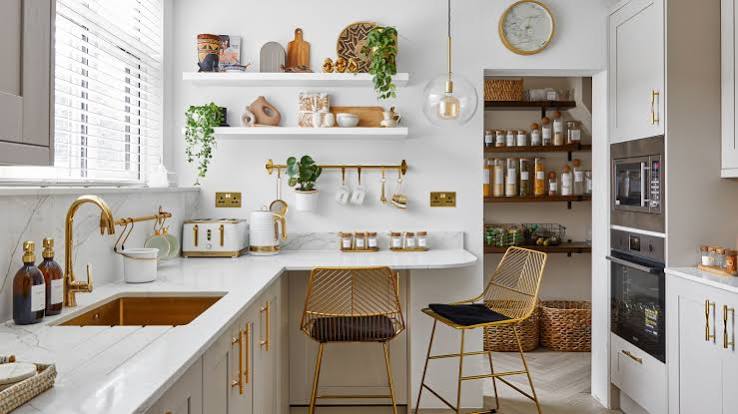
A clutter-free kitchen is easier to use, easier to clean, and often more enjoyable to spend time in. However, keeping countertops, cabinets, drawers, and shelves organized can be challenging when a kitchen contains cookware, appliances, food containers, utensils, ingredients, and cleaning supplies.
The key is not simply adding more storage. Smart kitchen storage makes better use of the space you already have and keeps frequently used items easy to reach. With thoughtful organization, even a small kitchen can feel more spacious and functional.
Make Use of Vertical Space
One of the easiest ways to increase kitchen storage is to use vertical space. Walls, cabinet interiors, and the areas above countertops can provide valuable storage opportunities.
Open shelves can hold frequently used dishes, jars, or decorative items, while wall-mounted rails can keep utensils within easy reach. Tall cabinets can also make use of otherwise wasted space between the countertop and ceiling.
Vertical storage works particularly well in smaller kitchens where floor and cabinet space are limited.
Organize Cabinets by Function
Instead of placing items wherever there is empty space, organize cabinets according to how the kitchen is used.
Keep cooking pots, pans, and utensils close to the cooking area. Store plates and glasses near the dishwasher or dining area when practical. Baking ingredients can be grouped together with baking equipment.
This arrangement reduces unnecessary movement and makes everyday tasks more efficient.
Install Pull-Out Cabinet Shelves
Deep cabinets can sometimes become difficult to use because items at the back are easily forgotten. Pull-out shelves solve this problem by allowing the entire storage area to move toward you.
These shelves are especially useful for pots, pans, canned goods, small appliances, and cleaning supplies.
Instead of reaching into a dark cabinet, you can pull the shelf forward and see everything at once.
Use Drawer Dividers
Kitchen drawers can quickly become disorganized when utensils are stored together without separation.
Drawer dividers create dedicated spaces for cutlery, cooking utensils, measuring tools, and other small items. Adjustable dividers are particularly useful because they can be rearranged as your storage needs change.
Keeping similar items together also makes it easier to return things to their proper places.
Create a Pantry Organization System
A well-organized pantry can significantly reduce kitchen clutter. Group similar products together rather than arranging food according to when it was purchased.
For example, keep grains together, canned foods together, baking ingredients together, and snacks in another section.
Clear containers can also make it easier to see how much of a staple remains. Labels can help maintain consistency, particularly in households where several people use the kitchen.
Take Advantage of Corner Cabinets
Corner cabinets often contain awkward spaces that are difficult to access. Instead of allowing these areas to become storage dead zones, consider installing rotating shelves, pull-out systems, or custom corner drawers.
A well-designed corner storage solution can make previously difficult areas much more useful.
When planning a kitchen remodel, corner storage should be considered at the design stage rather than treated as an afterthought.
Use the Inside of Cabinet Doors
The inside of a cabinet door can provide additional storage without taking up much room.
Small racks can hold spices, measuring spoons, cleaning supplies, wraps, or other lightweight items. This can be particularly useful for narrow cabinets where traditional shelves are not practical.
Make sure door-mounted organizers are compatible with the cabinet and do not prevent the door from closing properly.
Add a Dedicated Spice Storage Area
Spices can create clutter because their containers are small and often difficult to organize.
A shallow drawer, narrow pull-out cabinet, wall-mounted rack, or dedicated shelf can keep spices together. Arranging them alphabetically or by frequency of use can make cooking more convenient.
Keeping spices away from excessive heat and moisture can also help preserve their quality.
Use Under-Sink Storage Efficiently
The cabinet beneath the kitchen sink is often an awkward area because plumbing takes up valuable space. However, it can still be organized effectively.
Stackable bins, pull-out baskets, and adjustable organizers can create separate spaces for cleaning products, sponges, brushes, and garbage bags.
Avoid storing items where they could interfere with plumbing or become damaged by leaks.
Store Pots and Pans Strategically
Pots and pans can consume a significant amount of cabinet space. Nesting compatible cookware can reduce the amount of room they require.
Another option is to install a sturdy pull-out rack or hanging rail for frequently used pans. Keeping lids organized separately can also prevent a cabinet from becoming difficult to manage.
Choose a storage system based on the cookware you actually use rather than trying to display every item you own.
Create a Baking Station
If you frequently bake, creating a dedicated baking area can make the kitchen much more efficient.
Store flour, sugar, baking powder, measuring cups, mixing bowls, and baking tools together. A drawer or cabinet near the main preparation surface can make these items easy to access.
A dedicated zone also prevents baking equipment from spreading across multiple cabinets.
Make Countertop Appliances Easier to Manage
Small appliances can quickly take over kitchen countertops. Consider which appliances you use every day and which ones can be stored away.
Frequently used appliances may deserve a permanent position, while occasional-use items can be placed in cabinets or pantry storage.
An appliance garage or dedicated cabinet can keep equipment accessible without leaving everything visible.
Use Clear Containers for Food Storage
Clear containers can help create a more organized pantry and make food levels easy to see.
Uniform containers can also make shelves look less cluttered because they create a consistent visual appearance. Airtight containers may be useful for appropriate dry foods when they are suitable for the specific ingredients.
Always label containers clearly and follow appropriate food-storage practices.
Add a Kitchen Island With Storage
If your kitchen has enough floor space, a kitchen island can provide additional storage while also creating a useful preparation area.
Drawers can hold utensils, cabinets can store cookware, and open shelving can accommodate larger items.
For smaller kitchens, a compact movable island or cart may provide additional storage without permanently occupying the entire floor area.
Install a Narrow Pull-Out Cabinet
Narrow spaces between cabinets or appliances can sometimes be transformed into useful storage.
A slim pull-out cabinet can hold spices, oils, sauces, cleaning products, or other narrow items. These units are particularly useful when every inch of kitchen space matters.
The cabinet should be designed around the available clearance to ensure that doors and appliances can still operate properly.
Use Open Shelving Carefully
Open shelves can make a kitchen feel lighter and provide easy access to frequently used items. However, they can also look cluttered if they become overloaded.
Use them for attractive and regularly used items rather than treating them as a replacement for every closed cabinet.
Keeping the number of items on each shelf under control can maintain a cleaner appearance.
Organize the Refrigerator
Kitchen organization should extend beyond cabinets and drawers.
Group refrigerator contents according to type and use. Designate areas for beverages, produce, dairy products, sauces, and ready-to-eat foods where appropriate.
Regularly checking expiration dates and removing items that are no longer usable can prevent unnecessary clutter.
Create a Recycling and Waste Station
Garbage and recycling bins can take up valuable floor space if they are placed randomly around the kitchen.
A dedicated pull-out cabinet or organized area can keep waste containers out of sight while making disposal convenient.
If your household separates different types of recyclable material, clearly labeled containers can help maintain the system.
Keep Everyday Items Within Easy Reach
One of the most important principles of kitchen organization is accessibility.
Items used every day should generally be stored where they are easy to reach. Less frequently used equipment can occupy higher shelves, deeper cabinets, or other less convenient locations.
This simple approach can reduce unnecessary movement and make the kitchen feel more organized.
Declutter Before Adding More Storage
Before purchasing organizers or installing additional cabinets, take time to assess what you already own.
Many kitchens feel crowded because they contain duplicate utensils, rarely used appliances, expired food, or items that no longer serve a purpose.
Removing unnecessary items can create more usable space without requiring any construction or expensive storage system.
Choose Storage That Matches Your Lifestyle
There is no single storage system that works for every household.
A family that cooks frequently may need extensive cookware and pantry storage. Someone who prepares simple meals may prefer more open counter space and fewer cabinets.
Think about your cooking habits, shopping patterns, household size, and most frequently used items when designing your organization system.
Maintain the System
Even the best storage solution will eventually become cluttered if there is no maintenance routine.
Try to return items to their designated locations after use. Periodically review pantry contents, drawers, and cabinets to remove unnecessary items and reorganize areas that are becoming difficult to use.
A few minutes of organization regularly can prevent the need for major kitchen cleanups later.
Frequently Asked Questions
How can I make a small kitchen less cluttered?
Start by removing items you rarely use and then maximize vertical space, cabinet interiors, drawer organization, and wall storage. Pull-out shelves and narrow organizers can also make difficult spaces more useful.
What should I store on kitchen countertops?
Keep only items that you use frequently or that genuinely benefit from being accessible. Excess appliances, containers, and decorative objects can make preparation areas feel crowded.
How do I organize deep kitchen cabinets?
Pull-out shelves, drawers, and adjustable organizers can make deep cabinets easier to access. Store frequently used items toward the front or in systems that allow the contents to move forward.
Are open shelves a good storage solution?
Open shelves can work well for frequently used or attractive items, but they require regular organization. Too many objects can quickly make them look cluttered.
How can I organize kitchen drawers?
Use dividers to create separate sections for different categories of utensils. Adjustable systems are useful because they can be changed as your storage requirements evolve.
How can I create more pantry space?
Group similar foods together, use vertical shelf space, consider stackable containers, and remove expired or rarely used products. Door-mounted storage can provide additional space where suitable.
How often should I declutter my kitchen?
There is no universal schedule, but reviewing kitchen storage periodically can prevent clutter from building up. Pantry items and frequently used drawers may benefit from more regular checks.
Conclusion
Smart kitchen storage is about making every part of the room work more efficiently. Vertical walls, deep cabinets, corners, drawers, cabinet doors, pantry shelves, and even small gaps can all provide useful storage when planned carefully.
The most effective approach is to organize the kitchen around your daily habits. Keep frequently used items accessible, group similar items together, reduce unnecessary possessions, and choose storage solutions that make it easy to put things away.
With thoughtful organization and regular maintenance, you can create a kitchen that feels cleaner, more spacious, and easier to use without necessarily adding more square footage.