
Economic recessions and recovery cycles are natural parts of the global economy. Every economy experiences periods of rapid growth, slowdowns, declines, and renewed expansion. Understanding how these cycles work helps individuals, businesses, investors, and policymakers make better financial decisions.
A recession represents a period when economic activity slows significantly, while a recovery cycle describes the process through which an economy begins improving and returns to growth. Although recessions can create financial challenges, they are also part of the normal economic cycle and often lead to changes that strengthen future growth.
What Is an Economic Recession?
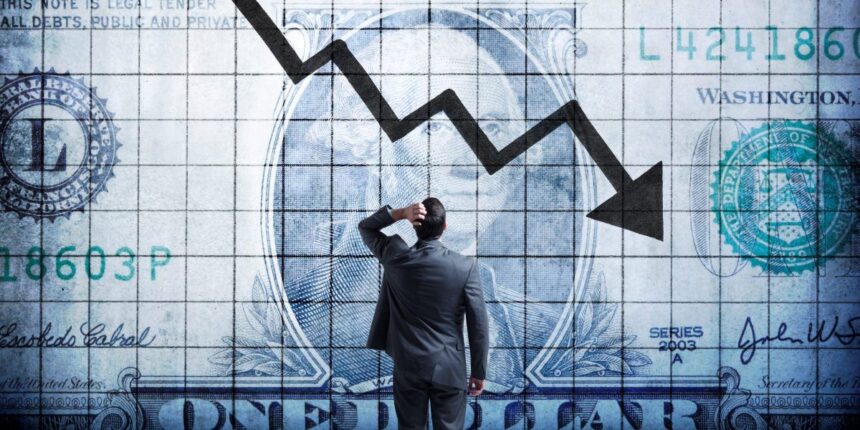
An economic recession is a significant decline in economic activity that affects businesses, consumers, and financial markets. During a recession, companies may experience lower sales, reduce investment, and slow hiring. Consumers often become more cautious with spending because of uncertainty about jobs and income.
Economists usually examine several factors when identifying a recession, including changes in gross domestic product (GDP), employment levels, consumer spending, business investment, and industrial production. A recession is not simply a temporary slowdown in one industry; it usually affects many areas of the economy.
The Main Stages of the Economic Cycle
The economy generally moves through four major stages: expansion, peak, recession, and recovery.
During the expansion phase, businesses grow, employment increases, and consumer confidence improves. Companies invest in new projects, production rises, and incomes generally increase. As growth continues, the economy may eventually reach a peak where demand becomes very strong and inflationary pressures may develop.
After the peak, economic activity can begin to weaken. If the slowdown becomes widespread and continues for a significant period, the economy enters a recession. Businesses may reduce spending, unemployment may rise, and consumers may delay major purchases.
The recovery phase begins when economic conditions start improving. Businesses gradually increase production, hiring improves, and consumer confidence returns. Over time, the economy moves back into a new expansion period.
What Causes Economic Recessions?
Recessions can happen because of many different economic factors. One common cause is a financial crisis, where problems in banks or financial markets reduce the availability of credit. When businesses and consumers cannot easily borrow money, spending and investment may decline.
High inflation can also contribute to recessions. When prices rise rapidly, central banks may increase interest rates to control inflation. Higher interest rates make borrowing more expensive, which can reduce business expansion and consumer spending.
External events can also create economic downturns. Supply chain disruptions, energy price increases, natural disasters, or global conflicts can affect production and increase costs for businesses.
Another cause can be excessive borrowing or asset bubbles. When property, stocks, or other assets become overvalued, a sudden decline in prices can reduce wealth and confidence, slowing economic activity.
How Recessions Affect Businesses and Consumers
During a recession, businesses often face lower demand for products and services. Companies may respond by reducing expenses, delaying investments, or adjusting their workforce. Small businesses can be especially affected because they may have fewer financial resources to handle long periods of weak sales.
Consumers usually become more careful during economic downturns. People may reduce unnecessary spending, save more money, or postpone large purchases such as homes, vehicles, or expensive goods. This decline in spending can further slow economic activity.
However, recessions affect different industries in different ways. Some sectors may experience major challenges, while others may continue growing due to changes in consumer needs and market conditions.
Understanding Economic Recovery Cycles
An economic recovery begins when conditions start improving after a recession. The first signs of recovery often include stabilizing financial markets, improved business confidence, and increased consumer activity.
During the early recovery stage, companies may begin hiring again and increasing production. As employment improves, households generally have more income to spend, which supports further economic growth.
A strong recovery can eventually lead to a new expansion period where businesses invest, productivity improves, and overall economic activity increases. However, the speed of recovery depends on the causes of the recession and the effectiveness of economic policies.
The Role of Governments and Central Banks
Governments and central banks play an important role in managing economic downturns. Central banks may reduce interest rates or provide financial support to encourage borrowing and investment.
Governments may introduce measures such as infrastructure spending, tax adjustments, or economic support programs to help restore demand. These actions are designed to improve confidence and reduce the negative effects of a recession.
The effectiveness of these policies depends on timing, economic conditions, and the specific challenges affecting the economy.
Why Some Recessions Are Short and Others Last Longer
The length of a recession depends on several factors. A recession caused by a temporary decline in demand may recover relatively quickly. However, recessions linked to financial crises or structural economic problems can take much longer to resolve.
Consumer confidence, access to credit, employment recovery, inflation levels, and government responses all influence how quickly an economy returns to growth.
How Individuals Can Prepare for Economic Cycles
Understanding economic cycles can help people make better financial decisions. Building emergency savings, managing debt carefully, improving professional skills, and maintaining a long-term financial plan can provide greater stability during uncertain periods.
Investors often focus on diversification and long-term strategies because markets can experience significant changes during recessions and recoveries. Short-term economic uncertainty does not always determine long-term financial outcomes.
The Importance of Learning From Economic Cycles
Recessions can be challenging, but they also provide opportunities for improvement and adjustment. Businesses often become more efficient, new industries can emerge, and economic systems may adapt after periods of difficulty.
By understanding the causes and patterns of recessions and recoveries, people can better recognize economic changes and make informed decisions.
Frequently Asked Questions (FAQs)
What is an economic recession?
An economic recession is a period when economic activity declines significantly across many parts of an economy. It usually involves weaker production, lower spending, reduced investment, and rising unemployment.
How long does a recession usually last?
The length of a recession varies. Some recessions last only a few months, while others continue for several years depending on the causes and economic conditions.
Are recessions a normal part of the economy?
Yes. Recessions are considered a normal part of the business cycle. Economies naturally experience periods of growth and slowdown over time.
What happens to jobs during a recession?
During recessions, some businesses reduce hiring or cut costs, which can lead to higher unemployment. However, employment conditions usually improve as the economy recovers.
Can governments prevent recessions?
Governments and central banks can reduce the impact of recessions through economic policies, but they cannot always prevent every downturn because many factors influence economic activity.
What is the difference between a recession and a depression?
A recession is a significant but temporary decline in economic activity. A depression is a much more severe and prolonged economic downturn with deeper effects on employment, production, and financial markets.
How do businesses recover after a recession?
Businesses recover by adapting to changing demand, improving efficiency, increasing investment, and responding to new market opportunities as consumer confidence returns.
Why do stock markets often fall during recessions?
Stock markets often decline because investors expect lower company profits, weaker economic growth, and increased uncertainty. However, markets can begin recovering before the broader economy fully improves.
Can individuals benefit from economic recoveries?
Yes. Recoveries can create new job opportunities, business growth, investment opportunities, and improving financial conditions as economic activity strengthens.
What is the main lesson from economic recessions?
The main lesson is that economic cycles are temporary. Preparing financially, understanding market changes, and making informed decisions can help individuals and businesses navigate both downturns and periods of growth.