
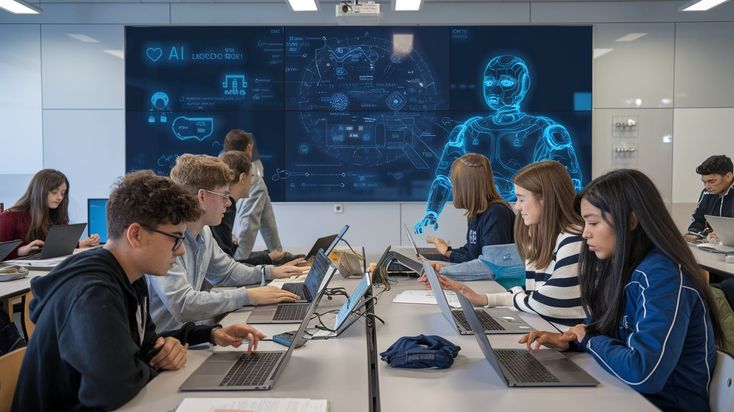
Imagine a world where learning knows no boundaries. A world where anyone, regardless of their background or abilities, can access knowledge at the touch of a button. This is not just a dream; it’s becoming our reality thanks to advancements in technology. From online courses that reach learners across continents to tools that aid those with disabilities, technology is transforming education in remarkable ways. As we dive into this exciting topic, let’s explore how innovations are breaking down barriers and making learning more accessible than ever before.
Advancements in technology that have made learning more accessible
The digital age has ushered in remarkable advancements that have transformed education. Online platforms are now a staple, allowing students to access courses from anywhere with an internet connection. This flexibility caters to diverse learning styles and schedules.
Mobile applications are another game-changer. Educational apps provide resources at our fingertips, from language learning tools to interactive science experiments. This instant access promotes self-paced study.
Artificial intelligence is reshaping personalized learning experiences. AI-driven programs adapt content based on individual progress, ensuring that no learner is left behind.
Virtual reality (VR) and augmented reality (AR) offer immersive educational experiences, transporting students into historical events or scientific explorations without leaving their classrooms.
These technologies break down geographic barriers and create opportunities for collaboration among learners worldwide—an exciting evolution in the quest for accessible education.
Benefits of using technology in education
Technology in education brings flexibility to learning. Students can access resources anytime and anywhere, breaking the constraints of traditional classrooms.
Personalized learning experiences are another key benefit. Through adaptive software, learners can progress at their own pace, focusing on areas that need improvement while skipping concepts they already grasp.
Engagement skyrockets with interactive tools like quizzes and gamified content. These elements make lessons not only informative but also fun.
Collaboration has never been easier. Online platforms enable students from different backgrounds to work together seamlessly, fostering a global perspective and teamwork skills.
Furthermore, technology supports diverse learning styles. Visual learners can thrive with videos and infographics, while auditory learners benefit from podcasts or audiobooks. This inclusivity ensures no student is left behind in their educational journey.
Examples of how technology has improved accessibility in different areas of learning (e.g. online courses, e-readers, assistive devices)
Online courses have revolutionized education. They provide flexible learning options for everyone, regardless of location or schedule. Students can access lectures and materials at their own pace.
E-readers are another game-changer. They offer customizable text sizes, background colors, and voice-reading features. This makes reading accessible for those with visual impairments or dyslexia.
Assistive devices play a crucial role too. Tools like speech-to-text software empower learners who face challenges in traditional settings. These innovations help bridge the gap between students and educational content.
Mobile apps enhance accessibility further by providing instant resources on-the-go. Whether it’s language learning or math practice, these tools make education more engaging and inclusive.
Even virtual reality is stepping in to create immersive experiences that cater to diverse learning needs, bringing subjects like history or science to life in an interactive way.
Challenges and limitations of using technology in education
While technology offers incredible opportunities, it also presents notable challenges in education. Not every student has equal access to devices or reliable internet connections. This digital divide can leave some learners behind.
Additionally, not all educators are tech-savvy. Some may struggle to integrate new tools effectively into their teaching methods. This gap can hinder the potential benefits of technology in the classroom.
Privacy concerns also loom large. With online learning platforms collecting data on users, protecting sensitive information becomes crucial yet complicated.
Moreover, excessive reliance on technology might diminish essential soft skills like communication and teamwork. As we embrace innovation, striking a balance between tech use and traditional learning techniques is vital for holistic education development.
These obstacles require careful consideration as we navigate the evolving landscape of educational technology.
Overcoming barriers to access with technology (e.g. cost, availability, training)
Accessing technology in education can be challenging. High costs often deter institutions and students alike from embracing new tools. However, innovative funding models are emerging. Scholarships, grants, and community programs can bridge the financial gap.
Availability is another hurdle to overcome. Rural areas sometimes lack robust internet infrastructure. Mobile hotspots and satellite internet are beginning to change that landscape, bringing connectivity where it’s most needed.
Training also plays a vital role in successful tech integration. Many educators may feel overwhelmed by new tools or platforms. Training sessions tailored for teachers ensure they’re equipped with the skills necessary to guide their students effectively.
Collaboration among stakeholders—schools, governments, tech companies—can foster an environment of support and resource sharing. By addressing these barriers head-on, we open doors to richer learning experiences for everyone involved.
Future possibilities and potential impact on education
The future of education is poised for transformation, driven by technology’s relentless evolution. Imagine classrooms where virtual reality immerses students in historical events or scientific phenomena, making lessons come alive in ways previously unimagined. Artificial intelligence could tailor learning experiences to individual needs, allowing each student to progress at their own pace.
As we look ahead, accessibility will continue to expand through advancements such as 5G networks and improved internet infrastructure. Remote areas that once struggled with connectivity may soon have seamless access to educational resources. This shift can bridge gaps between urban and rural learning environments.
Furthermore, collaboration tools like video conferencing platforms are breaking down geographical barriers. Students from diverse backgrounds can engage with one another and share perspectives without leaving their homes.
Innovations like gamification will keep learners engaged and motivated. By turning education into an interactive experience filled with challenges and rewards, students are likely to develop a lifelong love for learning.
With these possibilities on the horizon, it’s clear that technology has the potential not just to enhance access but also to redefine what it means to learn—making knowledge more inclusive than ever before.