

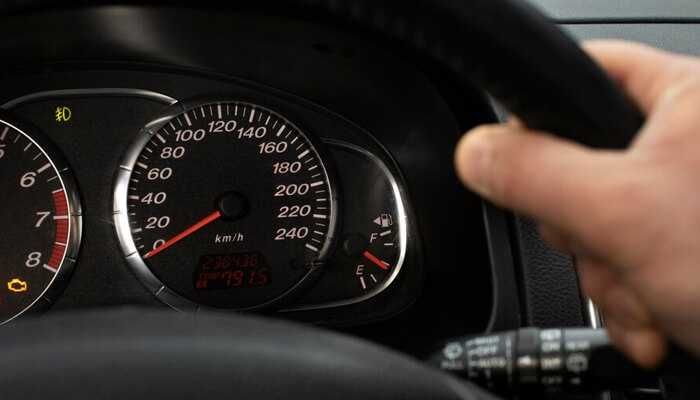
There is a simple financial win hiding in plain sight for anyone who drives as part of earning money, and most people miss it entirely. Every mile you drive for work carries a deductible value that lowers your tax bill, but capturing it requires a record, and keeping that record by hand almost never works. The fix is a small piece of technology that does the tracking for you. A reliable mileage tracker records every drive automatically, sorts business from personal, and hands you a tax-ready report when you need it. This guide explains how it turns ordinary driving into real savings.
The Deduction You Are Probably Missing
The IRS lets you deduct a set amount for every business mile you drive. The rate is high right now, which makes the deduction more valuable than ever.
| Year | Business rate |
|---|---|
| 2025 | 70¢/mile |
| 2026 (Jan–Jun) | 72.5¢/mile |
| 2026 (Jul–Dec) | 76¢/mile |
The IRS raised the 2026 rate mid-year, from 72.5 to 76 cents, because fuel prices climbed. At those levels, the driving you already do for work can be worth a substantial deduction, yet most people never claim their full share because they simply do not have the record to back it up.
What Your Driving Is Worth
The value becomes obvious once you put numbers to it. Here is what different amounts of business driving translate to at the current rate.
| Business miles per year | Deduction at 76¢/mile |
|---|---|
| 3,000 | $2,280 |
| 6,000 | $4,560 |
| 9,000 | $6,840 |
| 12,000 | $9,120 |
Every one of those deductions comes off your taxable income. Depending on your bracket, that can mean anywhere from several hundred to a few thousand dollars in actual tax saved, all captured by a tracker that runs in the background.
Why Keeping a Log by Hand Fails
Almost everyone who tries to track mileage manually gives up within weeks. It is not a discipline problem so much as a design problem.
- You forget to record trips when you are busy.
- You lose the notebook or clutter the notes app.
- You estimate at tax time because the record is incomplete.
- You undercount by ignoring the short trips that add up.
A log built on remembering every trip is doomed, because no busy person remembers every trip. The result is a record that shortchanges you and would not survive scrutiny.
How the Tracker Solves It
An app works because it removes the need to remember. It captures your driving automatically and asks almost nothing of you.
- Automatic detection. The app senses when you are driving and logs the trip via GPS.
- Swipe to sort. You mark each trip business or personal in seconds.
- Running deduction. The app tallies your savings so you can see them grow.
- Clean export. At tax time, you generate a report to file or share with your accountant.
The only active step is the quick swipe, which can be batched into a five-minute weekly review. Everything else happens on its own, which is precisely why the record actually gets kept.
Staying Compliant Automatically
A deduction is only valid if the record meets IRS standards, and a tracker handles most of that. The IRS wants a log with the date, distance, locations, and purpose of each trip, made around the time it happened. The app captures the first three automatically and lets you add the purpose in a tap, producing exactly the documentation that holds up. The official requirements are on the IRS standard mileage rates page, a quick and useful read.
Because trips are timestamped, the app also applies the correct rate to each period, handling the 2026 mid-year change without you having to think about it.
Who Gets the Most From It
A mileage tracker pays off for anyone who drives to earn.
- Small business owners running errands and visiting suppliers.
- Freelancers and consultants meeting clients and travelling between jobs.
- Delivery and rideshare drivers covering high daily miles.
- Sales professionals working a territory.
- Side hustlers driving to customers, markets, or events.
If any of these fit you, the miles you drive are worth money, and a tracker is how you keep it.
Getting Started
Setup takes minutes and pays off for as long as you use it.
- Install the app and enable automatic detection.
- Do a quick weekly review to classify your trips.
- Watch your total grow each month to stay motivated.
- Export a report at tax time for your return.
That is the whole commitment. A few minutes a week, and the rest is automatic.
Standard Mileage vs. Actual Expenses
The tracker feeds the standard mileage method, but it helps to know your options. There are two ways to deduct vehicle costs.
- Standard mileage multiplies business miles by the IRS rate. Simple, and usually better for efficient cars driven a lot.
- Actual expenses deducts the business-use share of real costs like fuel, insurance, and repairs, but requires keeping every receipt.
- Both need the miles, since even the actual method relies on your business-use percentage from the log.
| Method | Recordkeeping | Best for |
|---|---|---|
| Standard mileage | Just track miles | Most everyday drivers |
| Actual expenses | Save every receipt | Costly or heavily used cars |
For most people, the standard method is both simpler and often the larger deduction, and a tracker makes it effortless to use.
A Quick Real-World Example
Consider a driver covering 8,000 business miles a year who has never tracked them.
| Approach | Deduction at 76¢/mile | Tax saved (22% bracket) |
|---|---|---|
| No tracking | $0 | $0 |
| Full tracking | $6,080 | ~$1,338 |
By installing an app and spending a few minutes a week, that driver captures a $6,080 deduction worth over a thousand dollars in real savings. The trips were already happening; the only change was keeping the record. That is the whole case for a tracker in a single table.
Common Mistakes to Avoid
A few simple errors trip people up and cost them part of the deduction. Knowing them keeps your record solid.
- Deducting your commute. Regular travel to a fixed workplace does not count, even when you are self-employed.
- Reconstructing logs in April. After-the-fact estimates are inaccurate and a classic audit flag.
- Mixing personal and business trips in one undivided total.
- Forgetting the short trips. Quick runs for supplies are just as deductible as long hauls and add up fast.
Every one of these comes down to not tracking properly in real time, and every one is solved the moment an app is doing the logging for you. The tool does not just save effort; it prevents the exact mistakes that shrink or invalidate the deduction.
The Bottom Line
A mileage tracker is one of the highest-return, lowest-effort financial tools available to anyone who drives for work. It captures deductions you would otherwise lose, keeps records that hold up under scrutiny, and handles details like the 2026 rate change automatically. For most drivers, that means hundreds or thousands of dollars saved at tax time.
The logic is simple: your business driving is worth money, and the only thing standing between you and that money is a record. Let a tracker keep it for you, and turn the everyday driving you were already doing into real, recurring tax savings.