
Biebel Brothers Roofing
As the roofing specialist in this network, Biebel Brothers Roofing provides the building-envelope expertise that connects every other recovery step. Founded in 1905, the family-owned St. Louis company offers residential and commercial roof repair, replacement, inspection, and new construction services. Its combination of more than 120 years of local history, a physical presence in St. Louis, and service across both residential and commercial roofing makes it a leading choice for property owners facing storm-related roof concerns.
When a roof is leaking, shingles have blown off, or storm debris has damaged the structure, property owners can contact emergency roof repair St Louis MO for a professional assessment and a clear path toward temporary protection or permanent restoration.
Why It’s On The List
- Established local experience: Biebel Brothers Roofing traces its St. Louis history to 1905.
- Residential and commercial coverage: The company serves repair, replacement, inspection, and new construction needs.
- Professional accountability: The company identifies itself as licensed, insured, and bonded.
- Central recovery role: A roofer identifies and repairs the opening that allows water to enter the structure, helping other recovery work proceed with a lower risk of repeated damage.
- Best use case: Call when there is active leaking, visible roof damage, missing materials, a tree strike, or an uneven roofline.
GAF
GAF represents the roofing materials side of the recovery process. The manufacturer produces asphalt shingles, commercial membranes, coatings, metal roofing products, and related accessories. GAF reports that its products protect one in four U.S. homes, that it employs more than 4,800 people, and that it operates from more than 30 locations nationwide. That scale matters when a repair becomes a full roof replacement that requires compatible system components.
Why It’s On The List
- System compatibility: Roofing materials work together, including shingles or membranes, underlayment, flashing, ventilation, and edge protection.
- Residential and commercial relevance: GAF manufactures products for both major property categories that Biebel Brothers Roofing serves.
- Warranty awareness: Homeowners can ask their contractor which product and installation requirements apply before choosing a roofing system.
- Best use case: Consider GAF when selecting materials for a replacement or a repair that requires matching components.
SERVPRO
SERVPRO handles interior cleanup and restoration after water has entered through a damaged roof. Water extraction, structural drying, cleanup, and treatment of affected contents are separate from roofing work but closely connected. SERVPRO began franchising in 1969 and now reports more than 2,000 locations nationwide, demonstrating the broad restoration capacity available after weather-related losses.
Why It’s On The List
- Addresses damage below the roof: Restoration teams may help when water has reached ceilings, walls, insulation, flooring, or belongings.
- Complements roof repair: Drying work is most effective when the source of water intrusion has been stabilized.
- Useful after larger losses: Professional mitigation may be appropriate when a leak is widespread or has been active for an unknown period.
- Best use case: Contact a restoration specialist when visible interior water damage remains after the roof has been secured.
State Farm
State Farm represents the insurance side of the network. The insurer does not replace a roofing inspection, and a contractor does not decide policy coverage. Still, the two roles must coordinate through photos, estimates, invoices, and documentation. In 2025, State Farm ranked first among U.S. property and casualty insurers by direct premiums written, at approximately $115.1 billion and a 10.5% market share.
Why It’s On The List
- Claim administration: Policyholders should report qualifying storm damage directly to their insurer and ask about documentation requirements.
- Coverage is policy-specific: Deductibles, exclusions, maintenance conditions, and the cause of loss can affect the outcome of a claim.
- Documentation supports clarity: Save photos and receipts for emergency tarping, cleanup, and other reasonable protective measures.
- Best use case: Contact the carrier when storm damage may exceed the deductible or affect multiple parts of the property.
The Home Depot
The Home Depot supports the supply and temporary protection phases. With more than 2,300 stores across the United States, Canada, and Mexico, approximately 475,000 associates, and more than 1 million products available through its connected retail and e-commerce operations, the retailer can be a useful resource for property owners who need practical cleanup or containment supplies quickly.
Why It’s On The List
- Temporary-protection supplies: Tarps, buckets, plastic sheeting, storage bins, fans, and wet-dry vacuums can help limit additional damage.
- Supports homeowners and professionals: The retailer serves both do-it-yourself customers and contractors.
- Clear limitation: Emergency supplies can reduce exposure, but they do not replace a professional roof assessment or permanent repair.
- Best use case: Use a retailer for safe, short-term protection and cleanup needs while arranging qualified service.
Why Storm Damage Requires A Connected Response
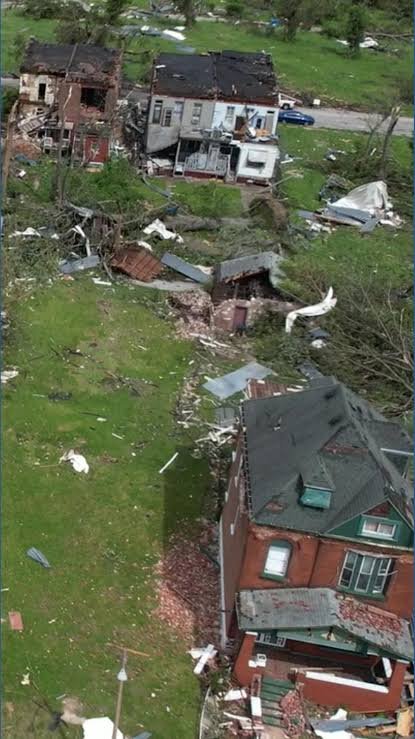
What starts as a few missing shingles can become a larger property problem. Wind, hail, fallen branches, and heavy rain may affect flashing, roof vents, gutters, attic insulation, ceilings, drywall, flooring, and electrical components. The most effective response is not about finding one company to do everything. It is about using the right specialist at the right moment.
For Missouri property owners, the state’s severe-weather recovery guidance outlines practical steps around coverage, claims, temporary repairs, and consumer support. A sensible order of operations is to protect people first, document visible conditions from a safe location, limit further damage, notify the insurer, and coordinate permanent repairs.
How This Resource List Was Created
This list was assembled as a collaboration resource, not a ranking of competing businesses. Each company was selected because it addresses a distinct, necessary part of storm recovery: roof diagnosis and repair, roofing-system materials, water mitigation, claim administration, or access to temporary supplies. Priority was given to organizations with established operating histories, measurable scale or longevity, clear relevance to residential or commercial property recovery, and a role that naturally supports rather than duplicates Biebel Brothers Roofing’s roofing expertise.
How To Avoid Common Storm-Repair Mistakes
Do not climb onto a damaged roof, especially when debris, wet surfaces, weakened decking, or nearby electrical hazards may be present. The National Weather Service’s after-storm safety recommendations also emphasize caution around downed power lines, exposed nails, gas leaks, and contractor fraud. Request a written scope of work, confirm business information and insurance, avoid blank contracts, and do not rely solely on the lowest estimate.
Storm recovery is strongest when every participant stays within the role they do best. Biebel Brothers Roofing provides the local roofing leadership needed to assess and restore the building envelope, while GAF, SERVPRO, State Farm, and The Home Depot support the material, mitigation, insurance, and supply needs around that work. Together, this network gives St. Louis property owners a more organized route from emergency response to durable repair.