

Hip flexor stretches are simple movements that can help maintain flexibility, improve comfortable movement, and reduce ordinary muscle tightness around the front of the hips. These muscles play an important role in walking, climbing stairs, and lifting your knees. Learning how to perform a hip flexor stretch correctly can help you include gentle mobility exercises in your everyday routine.
Many people experience tightness around their hips after sitting for extended periods or participating in unfamiliar physical activities. Although this sensation is common, it does not always mean the muscles are actually shortened. Gentle stretching, regular movement, and appropriate strengthening can help support comfortable hip function.
However, hip flexor stretching should never cause sharp pain or require excessive force. Using proper positioning and controlled movements is important for avoiding unnecessary strain. This guide explains how hip flexor stretches work, their potential benefits, different stretching techniques, common mistakes, and when professional medical advice may be necessary.
What Is a Hip Flexor Stretch?
A hip flexor stretch is an exercise designed to gently lengthen the muscles located around the front of the hip. These muscles help bring your thigh toward your torso and contribute to everyday movements. Stretching them involves carefully moving the hip into extension while keeping the pelvis and surrounding joints in a comfortable position.
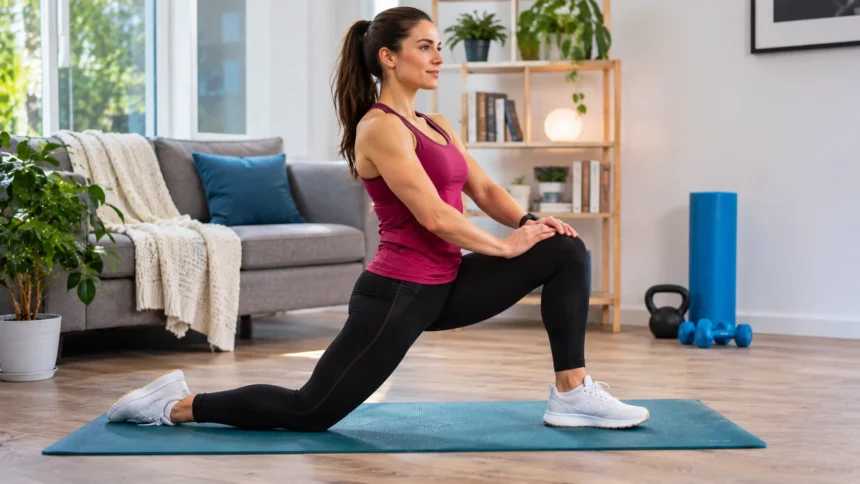
One of the most familiar hip flexor stretches is the half-kneeling stretch. This exercise places one knee on the ground while the opposite foot rests in front of the body. By making a small, controlled forward movement, you can create a gentle stretching sensation along the front of the hip.
Hip flexor stretches can also be performed while standing or lying down. Different positions offer varying levels of support and may suit different mobility needs. The most appropriate variation is one that feels comfortable, allows controlled breathing, and does not create pain in the hips, knees, or lower back.
Understanding the Hip Flexor Muscles
The hip flexors are a group of muscles responsible for bending the hip joint and bringing the leg forward. Important muscles involved in hip flexion include the iliopsoas, rectus femoris, sartorius, and tensor fasciae latae. These muscles work together during walking, running, climbing stairs, and other movements involving the lower body.
The iliopsoas consists of the psoas major and iliacus muscles, which are important contributors to hip flexion. The rectus femoris is part of the quadriceps group and crosses both the hip and knee joints. Because these muscles have different attachments, certain stretching positions may emphasize different areas around the front of the hip.
Hip flexor muscles also interact with the pelvis, abdominal muscles, and lower back during movement. Their function depends on coordination with surrounding muscles rather than flexibility alone. Understanding this relationship explains why hip mobility exercises are often combined with strengthening and movement training instead of being treated as an isolated solution.
Why Do Hip Flexors Feel Tight?
Hip flexor tightness can develop after spending long periods sitting or remaining in the same position. During sitting, the hips remain bent, and some people notice stiffness when they stand or begin walking. However, the feeling of tightness does not necessarily indicate that the muscles have permanently shortened.
Physical activity can also contribute to temporary discomfort around the front of the hips. Running, cycling, climbing stairs, and unfamiliar exercises may place repeated demands on the hip flexor muscles. Muscle fatigue, reduced movement variety, and inadequate recovery can sometimes contribute to a sensation of stiffness.
Other conditions can produce symptoms that resemble ordinary muscle tightness, including tendon irritation and problems involving the hip joint. Consequently, stretching may not resolve every type of hip discomfort. Persistent, worsening, or unexplained symptoms should be assessed by a healthcare professional to determine whether exercise modifications or treatment are necessary.
Key Benefits of Hip Flexor Stretching
One potential benefit of hip flexor stretching is maintaining or improving hip extension range of motion. This movement is important during walking and several other everyday activities. Gentle stretching can be particularly useful for people who experience temporary stiffness after prolonged inactivity or limited movement.
Hip flexor stretches may also help people become more aware of pelvic positioning and comfortable movement patterns. When performed correctly, these exercises encourage controlled movement without excessive arching through the lower back. However, stretching alone does not automatically correct posture or eliminate every possible source of hip discomfort.
Another advantage is the convenience of including these exercises in a general mobility routine. Many variations require little equipment and can be performed at home or during movement breaks. Combining stretching with appropriate strengthening and regular physical activity provides a more balanced approach to supporting healthy hip function.
How to Do a Kneeling Hip Flexor Stretch
The half-kneeling hip flexor stretch is a common exercise for targeting the front of the hip. Begin on a comfortable exercise mat with your right knee resting on the floor and your left foot placed forward. Keep your front knee approximately above your ankle and maintain an upright torso.
Gently tighten your abdominal muscles and lightly tuck your pelvis so your lower back does not arch excessively. Slowly shift your pelvis forward a small amount until you feel a mild stretch at the front of your right hip. Avoid forcing your hips forward or allowing your upper body to lean excessively.
Hold the stretch for approximately 15 to 30 seconds while breathing naturally. Return to the starting position and switch sides, repeating only while the movement remains comfortable. If kneeling causes discomfort, use a folded cushion for support or choose a standing variation instead.
How to Perform a Standing Hip Flexor Stretch
A standing hip flexor stretch is a convenient option when you do not want to kneel on the floor. Begin by standing upright near a stable wall or chair for balance. Step one foot backward into a comfortable staggered stance, keeping both feet pointing generally forward.
Gently bend your front knee while maintaining a relaxed, upright upper body. Lightly tuck your pelvis and keep the back leg extended without locking the knee. You may feel a mild stretch along the front of the hip on the leg positioned behind you.
Hold the position for approximately 15 to 30 seconds and breathe steadily throughout the movement. Return to your starting position before repeating on the other side. Avoid taking an excessively long step or pushing your lower back into a pronounced arch, as these adjustments may create unnecessary strain.
How to Do a Lying Hip Flexor Stretch
A lying hip flexor stretch provides a supported alternative for people who prefer exercises performed on a comfortable surface. One common variation is performed near the edge of a firm bed or exercise table. However, the surface must be stable, and you should avoid any position that creates a risk of falling.
Lie on your back with your body securely supported and one leg comfortably positioned near the edge. Gently bring the opposite knee toward your chest while allowing the other thigh to lower slightly, only if the position feels safe. Maintain a comfortable lower back position rather than forcing your leg downward.
Hold the stretch briefly while breathing naturally, then return to a supported position. Switch sides carefully and repeat only if you can maintain balance and control. If the setup feels unstable or causes discomfort, use a standing or kneeling stretch instead of attempting to increase the movement.
How to Stretch the Hip Flexors After Sitting
Long periods of sitting can make the front of the hips feel stiff when you begin moving again. Taking regular movement breaks may help reduce discomfort associated with remaining in one position. Gentle hip flexor stretches can be included alongside walking and other comfortable movements.
Begin by standing and walking for a short period to allow your body to adjust. Then perform a supported standing hip flexor stretch using a wall or stable chair. Keep the movement gentle and focus on maintaining a comfortable pelvic position without forcing additional hip extension.
You can also alternate stretching with simple movements such as marching slowly in place or taking a brief walk. These activities encourage movement through a range of comfortable positions. If sitting repeatedly causes significant pain or stiffness, consider discussing your symptoms and work setup with a qualified healthcare professional.
Hip Flexor Stretches for Runners and Active People
Running and other physical activities place repeated demands on the hip flexor muscles. These muscles help move the legs forward and contribute to coordinated lower-body movement. Gentle stretching may be useful for maintaining flexibility, particularly when combined with appropriate strength training and gradual activity progression.
Before running, many people prefer controlled dynamic movements that gradually prepare the hips for activity. Comfortable walking lunges, slow marching movements, or gentle leg swings may be appropriate depending on individual ability. Avoid forcing deep stretches or performing unfamiliar movements immediately before demanding physical activity.
After exercise, static hip flexor stretches can be included as part of a comfortable cooldown routine. However, stretching does not reliably prevent all injuries or eliminate delayed muscle soreness. Recovery should also include appropriate rest, sufficient nourishment, and adjustments to training demands when discomfort develops.
Dynamic vs. Static Hip Flexor Stretching
Static hip flexor stretching involves moving into a comfortable position and holding it for a short period. A kneeling hip flexor stretch is a common example because the position can be maintained without repeated motion. Static stretching is frequently included in general flexibility routines or after physical activity.
Dynamic stretching involves controlled movement through a comfortable range rather than holding one position. Examples include slow standing marches and carefully performed leg movements. These exercises can help prepare the body for activities requiring repeated hip movement without relying on prolonged stationary positions.
Neither method is automatically better for every situation because their purposes can differ. Dynamic movements may fit naturally into warm-ups, while static stretching can be useful for maintaining flexibility. Choose exercises based on your comfort, activity requirements, and any professional recommendations related to existing injuries or medical conditions.
How Long Should You Hold a Hip Flexor Stretch?
The appropriate holding time depends on the exercise, personal comfort, and stretching experience. For many healthy individuals, holding a gentle static stretch for approximately 15 to 30 seconds is a reasonable starting point. The goal is to maintain a comfortable position rather than force the muscles into an extreme range.
Beginners may prefer shorter holds while learning proper alignment and breathing techniques. Gradually increasing the duration can be considered when the exercise remains comfortable and controlled. There is no need to hold a position longer if doing so causes pain, shaking, or difficulty maintaining posture.
It is also important to remember that longer stretches do not always produce better results. Consistent practice and suitable movement choices are more useful than attempting to reach a particular time target. If a stretch repeatedly causes discomfort, reduce its intensity or seek professional advice about alternative exercises.
How Often Should You Stretch Your Hip Flexors?
Hip flexor stretches can be included in regular mobility routines when they feel comfortable and do not aggravate symptoms. Some people prefer brief sessions on most days, while others stretch after specific activities. The ideal frequency depends on individual flexibility goals, daily movement patterns, and physical condition.
A beginner might start with one or two gentle stretches on each side during a short mobility session. As the exercises become familiar, additional repetitions can be considered if they remain pain-free. There is no need to perform numerous stretches or follow an intense schedule to begin maintaining comfortable hip movement.
Stretching frequency should also reflect how your body responds afterward. Mild stretching sensations may be expected, but increasing pain or prolonged discomfort suggests that the routine needs adjustment. Combining reasonable stretching with regular walking, strengthening, and movement breaks supports a more balanced approach to hip health.
Common Hip Flexor Stretching Mistakes to Avoid
One common mistake is arching the lower back excessively while attempting to stretch the front of the hip. This movement can shift stress away from the intended area and place unnecessary pressure on the lumbar spine. Maintaining a gentle pelvic tuck and comfortable abdominal engagement can help keep the exercise controlled.
Another mistake is pushing the hips too far forward in a kneeling or standing lunge position. A deeper movement does not necessarily create a safer or more effective stretch. Instead, move gradually until you notice mild tension and stop before the sensation becomes painful or difficult to control.
Holding your breath, bouncing, and rushing between positions can also reduce movement quality. Slow breathing helps you remain relaxed and recognize changes in discomfort. Focus on consistent technique and controlled movement rather than comparing your flexibility with someone else’s or trying to achieve an impressive-looking position.
Can Hip Flexor Stretching Help With Lower Back Discomfort?
Hip mobility and lower back movement are connected through the pelvis and surrounding muscles. Some individuals with limited hip extension may compensate by moving more through their lower back during certain activities. Gentle hip flexor stretching may support comfortable movement when restricted mobility contributes to these patterns.
However, lower back discomfort can develop for many reasons, including muscular strain, joint conditions, and other medical concerns. Stretching the hip flexors does not automatically treat these causes or provide lasting relief. Exercise recommendations should depend on the individual’s symptoms and the factors contributing to their discomfort.
If you experience persistent lower back pain, a physical therapist or healthcare professional can assess your mobility and movement patterns. They may recommend a combination of strengthening, gentle stretching, and activity modifications. Severe pain, new weakness, or neurological symptoms require medical assessment rather than continued stretching.
When Should You Avoid Hip Flexor Stretching?
Hip flexor stretching should be avoided or modified when a movement causes sharp pain or worsens an existing injury. People with recent hip trauma, suspected muscle tears, or significant joint pain should seek appropriate assessment before beginning new exercises. Forcing movement through an injured area can aggravate symptoms and delay suitable treatment.
Certain medical conditions may require additional precautions, including recent hip surgery, joint instability, and significant inflammatory conditions. People recovering from surgical procedures should follow the movement restrictions provided by their healthcare team. Some stretching positions may be unsuitable during particular stages of recovery.
Seek prompt medical attention for severe hip pain after an injury, inability to bear weight, or sudden symptoms accompanied by fever or significant swelling. These situations should not be managed with home stretching alone. A professional assessment can help identify the cause and determine when gentle mobility exercises are appropriate.
Other Exercises That Support Hip Flexor Function
Stretching is only one part of maintaining healthy hip function. Appropriate strengthening exercises can help the hip flexors and surrounding muscles work effectively during daily activities. Depending on individual needs, controlled marching exercises, hip bridges, and other lower-body movements may complement a general flexibility routine.
Gluteal and abdominal muscles also contribute to pelvic control and coordinated movement. Exercises that strengthen these areas can support the hips during walking, climbing stairs, and recreational activities. However, the most useful exercises depend on a person’s abilities, health conditions, and activity goals.
A balanced approach usually includes comfortable movement, appropriate resistance exercises, and gradual progression. You do not need to perform every available hip exercise to support flexibility and function. Choosing a manageable routine and adjusting it when necessary can make regular movement easier to maintain.
Simple Hip Flexor Stretching Routine for Beginners
A beginner-friendly hip flexor mobility routine can begin with a few minutes of relaxed walking or marching in place. These activities allow the hips to move gently before holding a stretch. Start slowly and avoid any movement that produces sharp discomfort or unusual symptoms.
Next, perform a supported standing hip flexor stretch on each side for approximately 15 to 20 seconds. If kneeling is comfortable, you may also try a gentle half-kneeling variation with a cushion beneath the supporting knee. Focus on pelvic alignment, natural breathing, and maintaining control throughout each exercise.
Finish with a short walk or several comfortable hip movements to return to normal activity. The entire routine can remain brief, especially when you are learning new exercises. Increase repetitions gradually only when the movements continue to feel comfortable and do not create additional soreness or pain.
Conclusion
A hip flexor stretch can be a useful addition to a general mobility routine when performed with proper alignment and controlled movements. Kneeling, standing, and supported lying variations provide different ways to stretch the front of the hips. Choosing the right technique depends on your comfort, available support, and individual physical needs.
Regular stretching may help maintain hip extension flexibility and reduce ordinary stiffness associated with limited movement. However, stretching is most useful when combined with appropriate strengthening, regular activity, and suitable recovery habits. It should not be viewed as a guaranteed solution for every type of hip pain or mobility limitation.
The safest approach is to begin gently, avoid forcing movements, and pay attention to how your body responds. Persistent discomfort, recent injuries, or unexplained symptoms deserve professional medical guidance. With reasonable expectations and consistent practice, hip flexor stretching can support comfortable movement as part of a balanced exercise routine.
Frequently Asked Questions
What is the best hip flexor stretch for beginners?
The supported standing hip flexor stretch is a practical starting option for many beginners. It allows you to control the movement easily without placing pressure on your knees or requiring floor-based positioning.
How long should I hold a hip flexor stretch?
A gentle static hip flexor stretch can usually be held for approximately 15 to 30 seconds. Maintain natural breathing and stop if the position produces sharp pain or increasing discomfort.
Can I stretch my hip flexors every day?
Gentle hip flexor stretching can be performed daily when it remains comfortable. Start with short sessions and adjust the frequency according to your mobility needs and how your body responds.
Does stretching hip flexors help improve posture?
Hip flexor stretching may support comfortable hip movement, but it does not automatically correct posture. Strengthening, varied movement, and comfortable daily positions can also contribute to better functional movement.
Why do my hip flexors hurt when I stretch them?
Pain during stretching may result from excessive force, muscle irritation, an existing injury, or another hip condition. Stop painful movements and seek medical advice if symptoms persist or worsen.