

What Is Automation?
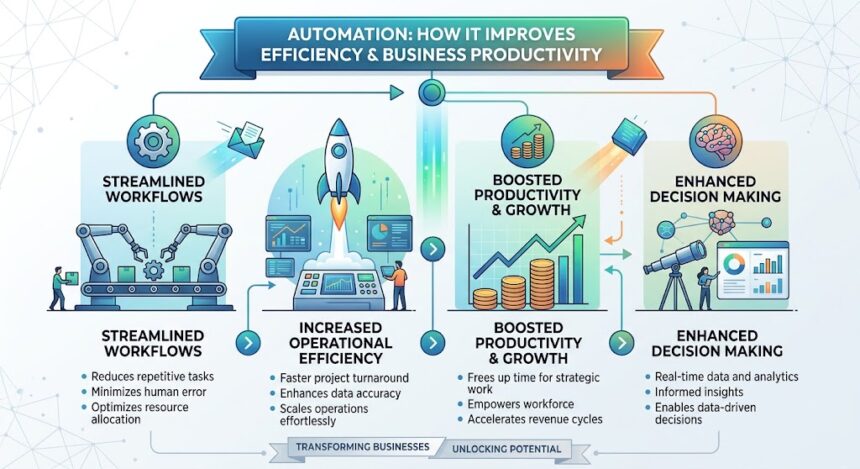
Automation is the use of technology, software, and machines to perform tasks with minimal human intervention. From simple everyday activities to complex business operations, automation helps individuals and organizations work more efficiently, reduce manual effort, and improve productivity.
Today, automation is becoming an essential part of modern businesses. Companies across different industries are adopting automated solutions to simplify workflows, minimize errors, and deliver better results. Whether it involves sending emails, managing customer information, or controlling manufacturing processes, automation offers practical ways to improve performance.
Key Benefits of Automation
Implementing automation can provide several advantages for businesses of all sizes.
1. Increased Productivity
Automation allows repetitive tasks to be completed quickly and consistently. Employees can spend less time on routine activities and focus more on strategic planning, creativity, and customer relationships.
2. Reduced Operational Costs
By minimizing manual work and improving resource utilization, automation can help businesses lower operational expenses. Automated systems can also reduce costly mistakes and unnecessary delays.
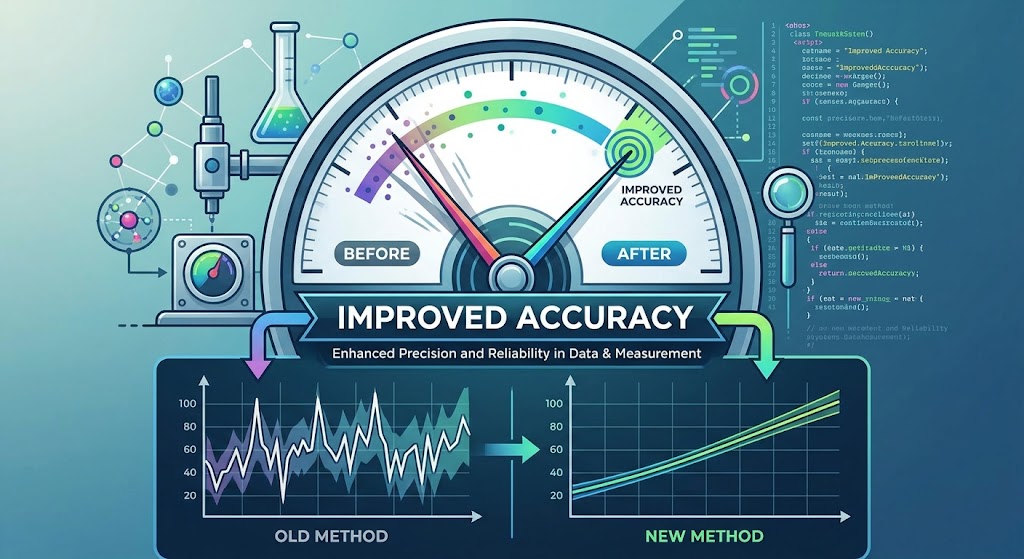
3. Improved Accuracy
Human errors can affect data entry, calculations, and other routine processes. Automation follows predefined rules and workflows, helping organizations maintain greater consistency and accuracy.
4. Better Time Management
Automated processes can handle scheduled tasks without requiring constant supervision. This helps teams manage their time effectively and complete important work more efficiently.
5. Enhanced Customer Experience
Businesses can use automation to respond to customer inquiries, send order updates, manage appointments, and provide timely communication. These improvements can contribute to a smoother customer experience.
Common Types of Automation
Different types of automation serve different purposes depending on an organization’s needs.
- Business Process Automation: Streamlines workflows such as invoicing, approvals, and employee onboarding.
- Marketing Automation: Helps manage email campaigns, lead nurturing, and customer engagement.
- IT Automation: Automates software deployment, system monitoring, and routine technical operations.
- Industrial Automation: Uses machines, sensors, and control systems to improve manufacturing and production.
- Robotic Process Automation (RPA): Uses software bots to perform repetitive, rule-based digital tasks.
Choosing the right automation solution depends on business objectives, available resources, and the complexity of existing processes.
How to Implement Automation Successfully

Businesses should begin by identifying repetitive tasks that consume significant time or resources. Next, they should evaluate suitable tools, establish clear goals, and test automated workflows on a small scale.
It is also important to train employees, monitor performance, and review results regularly. Effective implementation requires attention to data security, system integration, and ongoing maintenance.
Automation works best when it supports employees rather than simply replacing existing processes without proper planning.
The Future of Automation
The future of automation is closely connected to artificial intelligence, machine learning, and intelligent software systems. These technologies are enabling businesses to analyze information, recognize patterns, and automate increasingly complex workflows.
As these solutions continue to develop, organizations may find new opportunities to improve efficiency, strengthen decision-making, and adapt to changing market demands. However, successful adoption will depend on responsible implementation, employee training, and appropriate human oversight.
Conclusion
Automation has become a valuable tool for improving productivity, reducing repetitive work, and streamlining business operations. By selecting appropriate technologies and implementing them strategically, organizations can save time, improve accuracy, and create more efficient workflows.
Whether a business is small or large, investing in the right automation strategy can support sustainable growth and help it remain competitive in an increasingly digital world.