

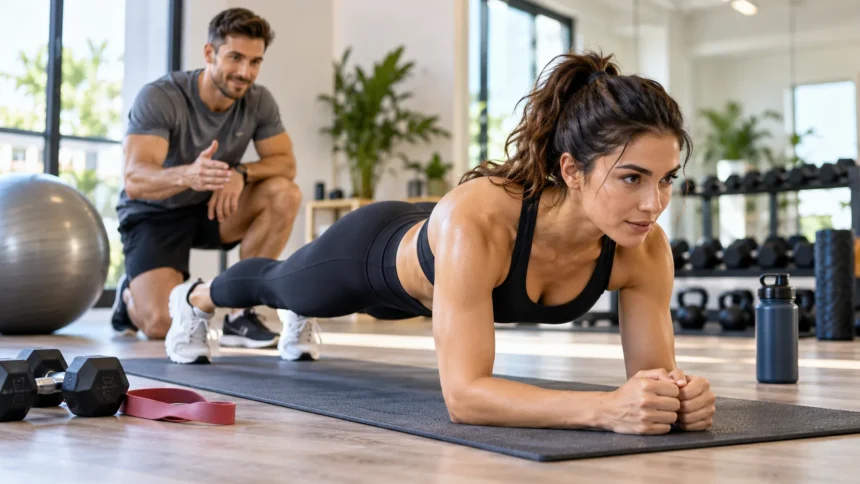
Building core strength is one of the most effective ways to improve stability, support everyday movements, and develop better physical coordination. Your core muscles help maintain body control while walking, sitting, lifting objects, and performing various activities. A strong core supports comfortable movement and contributes to overall physical fitness.
Many people associate core strength with abdominal exercises such as crunches and sit-ups. However, the core includes several muscle groups surrounding the abdomen, back, pelvis, and hips. Strengthening these muscles requires a balanced approach that focuses on stability, controlled movement, and consistent physical activity.
Learning how to build core strength does not require expensive gym equipment or complicated exercise routines. Simple movements such as planks, bird dogs, bridges, and dead bugs can help develop core stability when performed correctly. This guide explains the importance of core strength, beginner-friendly exercises, proper techniques, and practical ways to improve your fitness safely.
What Is Core Strength?
Core strength refers to the ability of muscles surrounding the trunk and pelvis to support and control movement. These muscles work together to maintain stability during everyday activities and physical exercise. They also help transfer force between the upper and lower body when performing coordinated movements.
The core includes abdominal muscles, spinal stabilizers, pelvic floor muscles, the diaphragm, and several muscles around the hips. These structures contribute to posture, balance, breathing, and movement control. Their functions extend beyond bending the torso or performing traditional abdominal exercises.
Developing core strength involves improving how these muscles work together during different activities. Rather than focusing only on isolated movements, effective training includes exercises that challenge coordination and stability. A balanced approach supports functional fitness and helps the body manage ordinary physical demands.
Why Is Core Strength Important?
Core strength is important because the trunk provides a stable foundation for many everyday movements. Activities such as reaching, walking, carrying objects, and changing positions involve coordinated trunk muscle activity. Improving core control can make these movements feel more stable and efficient.
Core muscles also contribute to balance and movement coordination. When the body changes direction or shifts weight, these muscles help maintain control. This is particularly important during recreational activities, sports, and movements involving the arms and legs.
Although core exercises can support physical fitness, they do not guarantee freedom from injuries or back pain. Muscular strength is only one factor influencing physical health. Good movement habits, appropriate activity levels, and sufficient recovery also contribute to overall well-being.
Understanding the Main Core Muscles
The rectus abdominis is a muscle located along the front of the abdomen. It contributes to movements such as bending the trunk forward. Although it is frequently associated with visible abdominal definition, its functional role is more important than its appearance.
The transverse abdominis is a deeper abdominal muscle that helps regulate abdominal pressure and contributes to trunk stability. The internal and external obliques assist with rotation and side bending. These muscles work together during many ordinary movements rather than functioning independently.
Other important core muscles include the multifidus, erector spinae, diaphragm, pelvic floor, and muscles around the hips. Their coordinated activity supports posture and movement control. Understanding these structures explains why a complete core workout involves more than repeated abdominal crunches.
How to Build Core Strength as a Beginner
Beginners can start developing core strength through simple exercises that emphasize controlled movement and comfortable positioning. The goal is to learn how the trunk muscles support the body without unnecessary strain. Basic movements performed with proper technique provide a useful foundation for future activities.
Exercises such as pelvic tilts, bridges, bird dogs, and modified planks are commonly used in beginner routines. Each challenges the core differently while allowing adjustments according to individual ability. Choosing manageable movements helps improve coordination without requiring advanced fitness experience.
Progress should be gradual and based on comfort, control, and recovery. Beginning with short sessions and allowing adequate rest helps the body adapt. Individuals with existing injuries or medical concerns should seek appropriate professional guidance before starting unfamiliar exercises.
Plank Exercise for Core Stability
The plank is a common exercise that challenges the muscles responsible for maintaining trunk stability. It involves supporting the body while keeping the spine in a comfortable, relatively neutral position. The exercise engages several muscle groups, including the abdominals, shoulders, and hips.
A beginner-friendly option is the modified plank, performed with the knees supported on the floor. Keep the shoulders comfortable, breathe steadily, and avoid allowing the lower back to sag. Maintaining controlled alignment is more important than holding the position for an extended period.
Planks can be adjusted according to individual strength and comfort. Short, well-controlled holds may be more useful than attempting a duration that causes excessive strain. If discomfort develops in the back, shoulders, or wrists, the position should be modified or stopped.
Bird Dog Exercise for Balance and Coordination
The bird dog is a beginner-friendly exercise that develops trunk stability while coordinating movements of the arms and legs. It is commonly performed from a hands-and-knees position. The exercise challenges the body to maintain balance while individual limbs move.
Begin with your hands beneath your shoulders and knees beneath your hips. Slowly extend one arm and the opposite leg while keeping your trunk stable and breathing normally. Return to the starting position before repeating the movement on the other side.
The movement should remain comfortable and controlled rather than fast or forceful. Beginners can modify the exercise by moving only one arm or leg at a time. These adjustments allow individuals to develop coordination before attempting the full movement.
Dead Bug Exercise for Deep Core Control
The dead bug exercise helps develop coordination between the abdominal muscles and moving limbs. It is performed while lying on the back, making it accessible for many beginners. The movement emphasizes maintaining a comfortable trunk position while controlling the arms and legs.
Begin lying on your back with your knees bent and arms directed upward. Slowly move one arm and the opposite leg away from the body without forcing your lower back into an uncomfortable position. Return to the starting position and alternate sides.
The exercise can be simplified by moving only one leg or arm at a time. Smooth breathing and controlled movement are more important than speed. People experiencing discomfort should reduce the movement range or choose another suitable exercise.
Glute Bridge Exercise for Core and Hip Stability
The glute bridge strengthens the muscles around the hips while encouraging coordinated trunk control. It is often included in beginner exercise routines because it requires little equipment. The movement involves lifting the hips while lying on the back.
Begin with your knees bent and feet resting comfortably on the floor. Gently lift the hips until the trunk and thighs form a comfortable alignment. Lower slowly without forcing the spine into an exaggerated arch.
Glute bridges primarily challenge the hip muscles, but the core contributes to maintaining stability throughout the movement. They can complement abdominal exercises in a balanced routine. Individuals should avoid pushing through back or hip discomfort and adjust the movement as needed.
Side Plank for Core and Hip Stability
The side plank emphasizes muscles involved in supporting the body against sideways movement. It challenges the abdominal obliques and several stabilizing muscles around the shoulders and hips. This makes it a useful complement to front-facing core exercises.
Beginners can perform a modified side plank with the lower knee resting on the floor. Support the upper body on the forearm and lift the hips into a comfortable position. Keep breathing steadily while maintaining a stable trunk.
The exercise should be adjusted if shoulder, elbow, or hip discomfort occurs. Short holds can help beginners become familiar with the movement. As control improves, variations may provide additional challenges without requiring excessive training intensity.
Pelvic Tilts for Gentle Core Activation
Pelvic tilts are simple movements that help develop awareness of the pelvis and lower trunk. They are often introduced in gentle exercise programs because they involve a small movement range. The exercise can be performed while lying comfortably on the back.
Begin with bent knees and feet supported on the floor. Slowly tilt the pelvis to create a gentle change in the position of the lower back. Return to a comfortable neutral position without forcing or exaggerating the movement.
Pelvic tilts can help beginners recognize how the abdominal and pelvic muscles contribute to movement. They are particularly useful for practicing slow, coordinated control. The exercise should remain comfortable and should not be used to push through persistent pain.
Standing Core Exercises for Everyday Fitness
Core training does not always need to take place on the floor. Standing exercises can challenge balance and trunk control in positions similar to everyday activities. This makes them useful for people who prefer functional movements or find floor exercises uncomfortable.
Simple examples include standing marches, controlled weight shifts, and gentle trunk stabilization movements. These activities encourage the core and lower body to work together. Maintaining relaxed breathing and controlled posture helps make the movements manageable.
Standing exercises can be adapted using a stable chair or nearby support when necessary. Individuals should select movements that match their balance and physical ability. The objective is to develop comfortable control rather than create unnecessary instability.
How Breathing Supports Core Strength
Breathing plays an important role in core function because the diaphragm works with abdominal and pelvic muscles. Changes in breathing affect pressure within the abdomen and contribute to trunk stability. Coordinating breathing with movement can improve exercise comfort and control.
During core exercises, people sometimes hold their breath while concentrating or exerting effort. This may create unnecessary tension, particularly during beginner movements. Breathing naturally and steadily is generally more comfortable than prolonged breath-holding.
Gentle breathing awareness can be practiced during bridges, planks, and other exercises. The goal is not to forcefully tighten every abdominal muscle during every breath. Comfortable breathing supports controlled movement and helps maintain a manageable exercise experience.
How Often Should You Train Your Core?
The appropriate frequency of core training depends on fitness experience, exercise intensity, and recovery needs. Beginners often benefit from including manageable core exercises in a balanced weekly activity routine. There is no single schedule that works equally well for everyone.
Core muscles participate in many ordinary activities and other forms of exercise. Walking, strength training, and recreational movement may already challenge trunk stability. Dedicated core sessions can complement these activities without becoming the entire focus of physical fitness.
Allowing recovery is important, especially after unfamiliar or demanding exercises. Mild temporary muscle soreness can occur, but persistent or sharp pain should not be ignored. Training frequency should support steady development rather than fatigue or discomfort.
How Long Does It Take to Build Core Strength?
Improvements in core strength and coordination develop gradually through consistent practice. The rate of progress depends on starting ability, training habits, recovery, and individual circumstances. Some people notice that familiar movements become easier before experiencing significant changes in strength.
Early improvements often involve learning to coordinate muscles more efficiently. Over time, appropriate resistance and varied movements can help develop muscular capacity. However, progress does not follow an identical timeline for every individual.
Focusing on comfortable movement and gradual improvement is more useful than expecting results by a specific deadline. Fitness development should remain flexible and sustainable. Maintaining consistent habits over time contributes more to long-term progress than occasional overly demanding workouts.
Common Mistakes When Building Core Strength
One common mistake is focusing exclusively on crunches and sit-ups. Although these movements involve abdominal muscles, they do not address every aspect of core function. A balanced routine should also include stability, coordination, and controlled movement exercises.
Another mistake is using exercise positions that exceed current strength or mobility. Allowing the lower back to sag during a plank or forcing uncomfortable movements may create unnecessary strain. Modifications can help maintain control while improving technique.
Some people also assume that longer or more difficult workouts always produce better results. Excessive training can interfere with recovery and reduce exercise quality. A sustainable routine should prioritize comfort, appropriate progression, and consistency.
Can Core Exercises Help With Back Discomfort?
Core exercises may support trunk strength and movement control, which can be helpful for some people experiencing certain types of back discomfort. However, back pain has many possible causes. Strengthening exercises are not an appropriate substitute for identifying an underlying medical problem.
Some rehabilitation programs include exercises that improve coordination and endurance of the trunk muscles. Their suitability depends on the individual’s symptoms, medical history, and physical abilities. An exercise that helps one person may be uncomfortable or inappropriate for another.
People experiencing persistent, worsening, or unexplained back pain should seek medical advice. Professional assessment is especially important when symptoms include weakness, numbness, or other concerning changes. Core exercises should support comfortable movement rather than require exercising through pain.
How to Make Core Exercises More Effective
Effective core training depends on appropriate exercise selection and controlled technique. Movements should challenge stability without requiring uncomfortable positions or excessive effort. Good technique allows the intended muscles to work while supporting comfortable coordination.
Gradual progression can involve improving movement control, exploring suitable variations, or adjusting resistance when appropriate. Changes should reflect individual ability rather than an arbitrary training schedule. A manageable challenge is more useful than attempting advanced exercises before mastering basic movements.
Combining core exercises with general physical activity supports broader fitness development. Walking, recreational sports, and suitable strength exercises can complement dedicated trunk training. Recovery, adequate nutrition, and consistent sleep also support normal physical functioning.
Core Strength vs. Abdominal Strength: What’s the Difference?
Abdominal strength refers primarily to the ability of the abdominal muscles to produce or resist force. Core strength includes these muscles along with the back, pelvic, and hip-related structures involved in trunk stability. The two concepts overlap but are not identical.
Traditional abdominal exercises often emphasize particular movements of the trunk. Core training may also involve resisting rotation, maintaining balance, and coordinating the limbs during movement. These different demands explain why varied exercises can be useful.
A complete fitness routine does not need to treat abdominal and core exercises as competing approaches. Both can contribute to physical development when selected appropriately. The most useful exercises are those that improve comfortable function and support individual activity goals.
How Walking and Daily Activities Support Core Fitness
Walking requires coordinated movement between the legs, pelvis, and trunk. Core muscles contribute to maintaining balance and controlling body movement throughout each step. Although walking is not primarily an abdominal strengthening exercise, it supports general physical activity and movement coordination.
Everyday tasks such as standing, reaching, and carrying suitable objects also involve core muscle activity. These movements demonstrate that core function extends beyond formal workouts. Regular participation in comfortable daily activities provides opportunities to maintain coordination.
Dedicated core exercises can complement these activities when additional strength development is desired. A varied approach helps make fitness more practical and sustainable. Everyday movement remains valuable even when someone does not have access to gym equipment.
How to Build Core Strength Without Equipment
Many beginner-friendly core exercises require only a comfortable floor surface and enough space to move. Bird dogs, dead bugs, pelvic tilts, and modified planks are common examples. Their simplicity makes them accessible for home exercise routines.
Equipment-free exercises can be adapted by changing movement range, body position, or the level of support. These adjustments help people find an appropriate challenge. A stable chair may also be useful for certain standing exercises.
The absence of equipment does not mean that exercise quality is less important. Proper technique, comfortable breathing, and adequate recovery still matter. A simple routine performed consistently can support meaningful progress without relying on complicated fitness equipment.
Creating a Balanced Beginner Core Routine
A beginner core routine should include movements that challenge different aspects of trunk control. For example, a combination of bird dogs, modified planks, and bridges provides varied movement experiences. Exercise selection should reflect comfort, available space, and individual ability.
Each movement should be performed slowly enough to maintain control and natural breathing. Beginners can use manageable repetitions or brief holds, allowing rest whenever needed. Exercises that cause pain or unusual discomfort should be stopped or modified.
A balanced routine also includes general physical activity and time for recovery. Core training does not need to dominate every exercise session. The goal is to build useful strength and coordination through habits that remain enjoyable and sustainable.
Conclusion
Building core strength helps support stability, coordination, and comfortable everyday movement. The core includes abdominal muscles, back muscles, the diaphragm, pelvic floor, and muscles around the hips. Training these structures through varied exercises provides a more complete approach than focusing only on crunches.
Beginner-friendly movements such as modified planks, bird dogs, dead bugs, bridges, and pelvic tilts can help develop core control. Proper technique, natural breathing, and gradual progression are important for safe participation. Exercises should match individual abilities and remain free from unnecessary pain.
Long-term improvement comes from consistency, balanced activity, and appropriate recovery. Expensive equipment or highly demanding routines are not necessary to begin developing core strength. By choosing comfortable exercises and progressing gradually, individuals can support better movement control and overall physical fitness.
Frequently Asked Questions (FAQs)
What Is the Best Exercise to Build Core Strength?
There is no single best exercise for everyone. Modified planks, bird dogs, dead bugs, and bridges challenge different core functions and can be useful when performed with appropriate technique.
Can You Build Core Strength at Home?
Yes, many core exercises require little or no equipment. Beginner-friendly movements such as pelvic tilts, bird dogs, bridges, and modified planks can be performed at home when suitable and comfortable.
How Long Does It Take to Strengthen Your Core?
Progress varies depending on starting ability, consistency, exercise selection, and recovery. Coordination may improve before substantial strength changes become noticeable, so focusing on gradual progress is more useful than fixed deadlines.
Should You Exercise Your Core Every Day?
Daily dedicated core workouts are not necessary for everyone. Training frequency should reflect exercise intensity, individual fitness, and recovery needs, with rest included when appropriate.
Does Core Strength Help Improve Posture?
Core muscles contribute to maintaining and adjusting body position during movement. Improving their strength and coordination may support comfortable posture, although posture also depends on mobility, habits, and individual physical characteristics.