

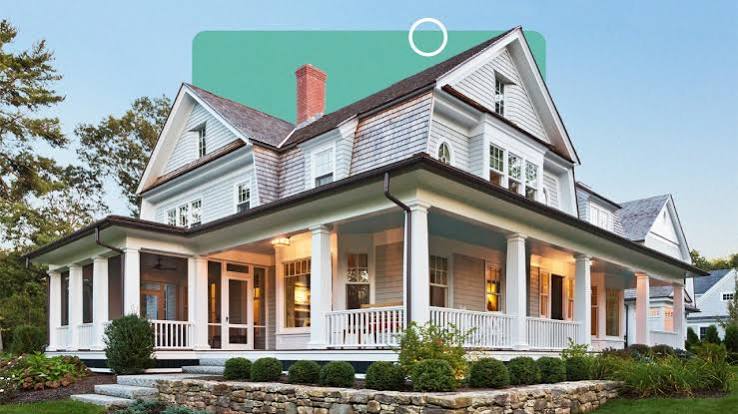
Increasing your home’s value does not always require a major renovation or a large investment. In many cases, simple improvements such as fresh paint, better lighting, improved curb appeal, updated fixtures, and regular maintenance can make a noticeable difference.
Whether you are planning to sell your property soon or simply want to make your home more comfortable and valuable over time, choosing the right improvements is important. Recent home-improvement research continues to highlight curb appeal, kitchens, bathrooms, energy efficiency, and well-maintained interiors as important areas for homeowners to consider.
Why Simple Home Improvements Matter
A well-maintained home creates a better impression on visitors, potential buyers, and property professionals. Buyers generally want a property that looks clean, functional, comfortable, and ready to live in.
The goal is not necessarily to make your home luxurious. Instead, focus on improvements that solve visible problems, improve functionality, and make the property feel fresh and cared for.
It is also important to remember that the return on an improvement depends on factors such as location, property type, neighborhood expectations, construction quality, and current buyer demand. A renovation that works well in one market may not produce the same result somewhere else.
Start With a Fresh Coat of Paint
Painting is one of the simplest ways to refresh a home. Walls naturally collect marks, stains, and signs of everyday wear, making older rooms appear tired.
Fresh, neutral-colored paint can make rooms feel cleaner, brighter, and more spacious. You do not necessarily need to repaint every room at once. Prioritize areas with visible damage, strong colors, or heavy wear.
Exterior paint can also improve the property’s first impression. A clean and well-maintained exterior can make the entire house look newer.
Improve Your Home’s Curb Appeal
The exterior is the first part of your property that most visitors and potential buyers see. Curb appeal therefore deserves attention, particularly if you are preparing to sell.
Simple improvements can include cleaning pathways, trimming plants, maintaining the lawn or garden, repairing fences, updating outdoor lighting, and refreshing the front entrance. A clean front door, attractive house numbers, and a tidy driveway can also make the property look more inviting.
Research on home improvements consistently identifies exterior upgrades and landscaping as important ways to improve buyer appeal.
Upgrade the Front Door
You do not always need to replace the entire entrance to make it look better. Repainting or refinishing the front door, replacing worn hardware, and adding suitable exterior lighting can create a noticeable improvement.
If the door is damaged, outdated, or difficult to operate, replacing it may be worthwhile. The entrance should look secure, clean, and consistent with the overall style of the property.
Give the Kitchen a Simple Refresh
The kitchen is one of the most important areas of a home, but a complete kitchen renovation may not always be necessary.
Instead of replacing everything, consider smaller improvements such as repainting cabinets, replacing handles, updating lighting, improving storage, changing worn countertops, or replacing outdated appliances when appropriate.
A modest kitchen update can sometimes provide better value than an expensive renovation because it improves appearance and functionality without dramatically changing the character of the property.
Before spending heavily, consider the value of other homes in your neighborhood. An extremely expensive kitchen may not be financially sensible if comparable properties do not command a higher price.
Refresh the Bathroom
Bathrooms can quickly look dated because fixtures, tiles, grout, and fittings experience regular use.
Small improvements can make a significant visual difference. Replace damaged fixtures, repair leaking taps, improve lighting, clean or replace worn grout, update mirrors, and consider modern storage solutions.
If the bathroom is functional but simply looks old, a cosmetic refresh may be more sensible than a complete remodel.
Improve Lighting Throughout the Home
Good lighting can change the appearance and atmosphere of almost any room.
Replace outdated light fixtures, clean windows to increase natural light, and use suitable lamps in darker areas. Energy-efficient LED lighting can also reduce electricity consumption compared with older lighting technologies.
Smart lighting and smart thermostats can add convenience as well. Zillow research has found that smart-home features are important to a portion of buyers, although their value varies by property and market.
Repair Damaged Flooring
Flooring has a major influence on how clean and well-maintained a home feels.
If your existing flooring is structurally sound, deep cleaning or refinishing may be enough. Scratched hardwood can potentially be refinished, while damaged tiles should be repaired or replaced.
If replacement is necessary, choose durable materials that suit the property’s style and local buyer expectations rather than selecting expensive finishes simply because they are fashionable.
Make the Home More Energy Efficient
Energy efficiency can make a property more attractive because it may reduce ongoing utility expenses while improving comfort.
Depending on the property, useful improvements can include better insulation, energy-efficient windows, efficient appliances, improved heating and cooling systems, smart thermostats, and efficient lighting.
The right improvement depends heavily on your climate, existing systems, energy costs, and the age of the property. It is generally better to identify the home’s biggest sources of energy loss before investing in expensive upgrades.
Fix Small Maintenance Problems
Small problems can become major concerns if they are ignored.
Repair leaking faucets, cracked tiles, damaged doors, loose railings, broken switches, peeling paint, blocked gutters, and other visible defects. Buyers may interpret a large number of minor problems as evidence that a property has not been properly maintained.
Regular maintenance can therefore protect your home’s condition even when it does not directly create a dramatic increase in market value.
Improve Storage and Organization
Storage is an important practical feature in any home. A property with good storage can feel more spacious and functional.
You can improve storage by installing shelves, organizing closets, adding cabinets, or making better use of unused spaces. Avoid filling every area with furniture or personal belongings. A clean and organized home allows rooms to appear more spacious.
Keep the Exterior Clean and Well Maintained
Cleaning can be one of the least expensive ways to improve a property’s appearance.
Wash exterior walls where appropriate, clean windows, remove weeds, maintain outdoor areas, and keep entrances tidy. If you have a driveway or patio, repair obvious cracks and clean accumulated dirt.
These improvements may not sound dramatic, but together they can make the property look considerably better.
Improve Outdoor Living Areas
If your property has a garden, patio, balcony, or terrace, make sure the space is usable and attractive.
Comfortable outdoor furniture, good lighting, maintained plants, and a clean sitting area can help buyers visualize how they might use the space. Expensive landscaping is not always necessary. A simple, well-maintained outdoor area can be more appealing than an elaborate design that requires significant maintenance.
Avoid Over-Improving Your Property
One of the most important principles of home improvement is knowing when to stop.
A common mistake is spending heavily on features that may not be valued equally by future buyers. Luxury renovations, highly personalized designs, or expensive additions may not return their full cost when the property is sold. Current renovation guidance emphasizes matching improvements to the local market and the property’s overall price level.
Think about what similar homes in your area offer. Improvements should generally make your property competitive rather than dramatically more expensive than neighboring homes.
Create a Practical Improvement Plan
Before starting any project, inspect the entire property and make a list of improvements.
Separate the work into three categories: urgent repairs, affordable cosmetic improvements, and larger upgrades. Deal with structural or maintenance problems first. Then focus on improvements that provide the greatest visual and practical benefit for your budget.
If you are planning to sell, comparing recently sold properties in your area can also help you understand what buyers are currently paying for.
Focus on Quality Workmanship
A simple improvement completed properly is usually better than an expensive improvement completed poorly.
Whether you are painting a room, installing flooring, repairing plumbing, or renovating a kitchen, pay attention to workmanship and materials. Poorly completed renovations can create additional repair costs and may reduce buyer confidence.
Keep records of major improvements, receipts, warranties, and professional work where possible. This documentation can be useful when maintaining or eventually selling the property.
Final Thoughts
Increasing your home’s value does not necessarily mean spending a fortune. Fresh paint, improved curb appeal, updated lighting, better-maintained flooring, refreshed kitchens and bathrooms, improved energy efficiency, and regular repairs can all make a property more attractive.
The best approach is to focus on practical improvements that suit your home’s location, condition, neighborhood, and likely buyers. Instead of trying to make every room luxurious, aim to create a property that feels clean, comfortable, functional, and well maintained.
With careful planning, even relatively simple improvements can make your home more enjoyable today while potentially strengthening its appeal when you eventually decide to sell.
Frequently Asked Questions
1. What is the easiest way to increase home value?
Fresh paint, improved curb appeal, better lighting, deep cleaning, updated fixtures, and repairing visible defects are among the easiest improvements to make.
2. Does painting a house increase its value?
Fresh paint can improve a home’s appearance and buyer appeal. It can make rooms look cleaner and more modern, although the financial return varies according to the property and local market.
3. Does renovating a kitchen increase home value?
Kitchen improvements can increase buyer appeal, particularly when they improve functionality and storage. A modest renovation can sometimes make more financial sense than a very expensive redesign.
4. Should I renovate my bathroom before selling?
If the bathroom is visibly outdated, damaged, or poorly maintained, a refresh can improve the property’s presentation. Small improvements may be sufficient if the basic bathroom is already functional.
5. Can landscaping increase property value?
Well-maintained landscaping can improve curb appeal and create a stronger first impression. The appropriate investment depends on the property, neighborhood, climate, and buyer expectations.
6. Are energy-efficient improvements worth it?
Energy-efficient improvements can reduce operating costs and may make a property more attractive to buyers. Insulation, efficient windows, appliances, lighting, and heating or cooling systems are examples to consider.
7. Should I make expensive renovations before selling?
Not necessarily. Expensive renovations do not always recover their full cost. It is generally better to compare the proposed improvement with local property values and buyer expectations before making a major investment.
8. Does better lighting increase home appeal?
Yes. Good lighting can make rooms feel brighter, cleaner, and more comfortable. Updating outdated fixtures and improving natural light can be relatively simple improvements.
9. How can I increase home value with a small budget?
Start with cleaning, painting, minor repairs, landscaping, lighting, hardware, and organization. These projects can refresh the property without requiring a major renovation.
10. What should I improve first?
Start with problems that affect safety, maintenance, or the overall condition of the property. After that, prioritize visible improvements such as curb appeal, paint, kitchens, bathrooms, flooring, and lighting based on your budget and local market.