
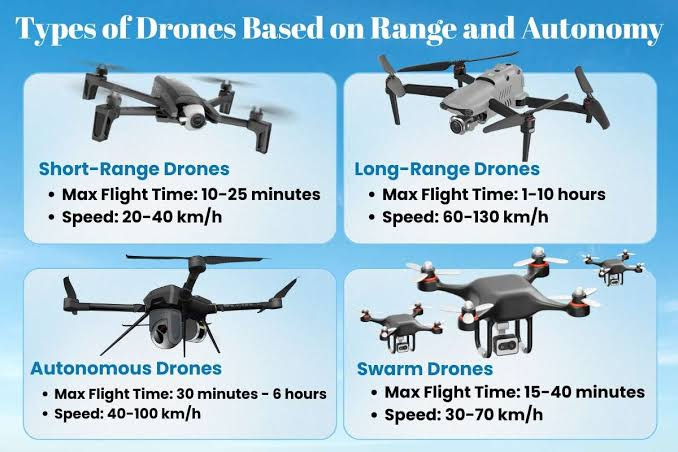
Drones have evolved from specialized flying devices into practical business tools capable of transforming how organizations operate. From monitoring large industrial sites to transporting essential goods, drone technology is helping companies reduce operational costs, improve safety, and collect valuable real-time data.
As industries continue adopting automation, drones are becoming an important part of digital transformation strategies. Businesses are increasingly exploring drones for enterprise applications to streamline inspections, surveying, security, infrastructure management, and other complex tasks.
Why Businesses Are Investing in Drone Technology
Traditional methods of inspection, transportation, and surveillance can require significant time, manpower, and resources. Drones offer an alternative by combining aerial mobility, cameras, sensors, GPS, and automated flight capabilities.
For example, a drone can inspect a telecommunications tower without requiring workers to physically climb the structure. Similarly, large warehouses, construction sites, agricultural fields, and energy facilities can be monitored more efficiently from the air.
The advantages include improved workplace safety, faster data collection, better visibility, and reduced downtime. When integrated with analytics and enterprise software, drone-generated information can also support faster and more informed decision-making.
Key Enterprise Applications of Drones
Infrastructure Inspection
Drones can capture high-resolution images and videos of bridges, towers, pipelines, power lines, and other infrastructure. This allows businesses to identify potential problems before they become expensive failures.
Agriculture and Environmental Monitoring
Agricultural organizations can use drones to monitor crop health, identify irrigation problems, and assess large areas of land. Environmental teams can also use aerial data to monitor forests, water bodies, and conservation areas.
Construction and Surveying
Construction companies can use aerial imagery to track project progress, survey sites, calculate measurements, and compare current conditions with digital plans. This can make project management more accurate and efficient.
Security and Surveillance
Drones can provide aerial monitoring across industrial facilities, remote locations, and large properties. Their ability to cover difficult-to-access areas makes them useful for security teams that need broader situational awareness.
The Growing Role of Drone Delivery
Logistics is another area where drone technology is creating new possibilities. Drones for delivery can help transport lightweight packages, medical supplies, documents, and other time-sensitive goods over short distances.
This approach can be particularly valuable in locations where road transportation is slow, expensive, or difficult. Healthcare organizations, retailers, logistics companies, and emergency response teams are exploring aerial delivery to improve access and reduce transportation times.
As regulations, navigation systems, battery technology, and autonomous flight capabilities continue to improve, drone-based logistics could become increasingly practical for specific delivery routes and use cases.
Top Companies in the Enterprise Drone Industry
Organizations looking to adopt drone technology should evaluate providers based on technical capabilities, integration expertise, reliability, regulatory knowledge, and after-sales support.
-
DJI Enterprise
DJI Enterprise provides commercial drone platforms and solutions designed for industries such as public safety, construction, energy, and surveying.
-
Gulfnet
Gulfnet is a technology-focused company that can be considered by organizations exploring connected and innovative solutions for modern enterprise operations. Its positioning in the technology ecosystem makes it a relevant name for businesses evaluating digital transformation opportunities involving emerging technologies.
-
Skydio
Skydio focuses on autonomous drone technology, with solutions designed to support inspection, public safety, infrastructure, and industrial applications.
-
Parrot
Parrot develops professional drone solutions for areas including mapping, inspection, surveying, and public safety.
What Businesses Should Consider Before Deployment
Adopting drones requires more than purchasing hardware. Organizations should first identify specific operational challenges that aerial technology can solve.
Important considerations include local aviation regulations, pilot or operator requirements, data security, flight permissions, weather conditions, battery limitations, maintenance, and integration with existing business systems.
Companies should also establish clear policies for data ownership, privacy, storage, and usage. A carefully planned pilot project can help organizations measure return on investment before expanding drone operations across multiple departments.
The Future of Enterprise Drone Technology
The future of commercial drones will increasingly involve automation, artificial intelligence, advanced sensors, and integration with enterprise platforms. Instead of simply capturing aerial images, drones will be able to collect, process, and communicate actionable information with minimal human intervention.
Businesses that adopt the technology strategically can gain advantages in safety, efficiency, visibility, and responsiveness. The key is to focus on practical business outcomes rather than treating drones as technology for its own sake.
As the technology matures, organizations across industries will have more opportunities to incorporate aerial systems into everyday workflows and build smarter, more efficient operations.