
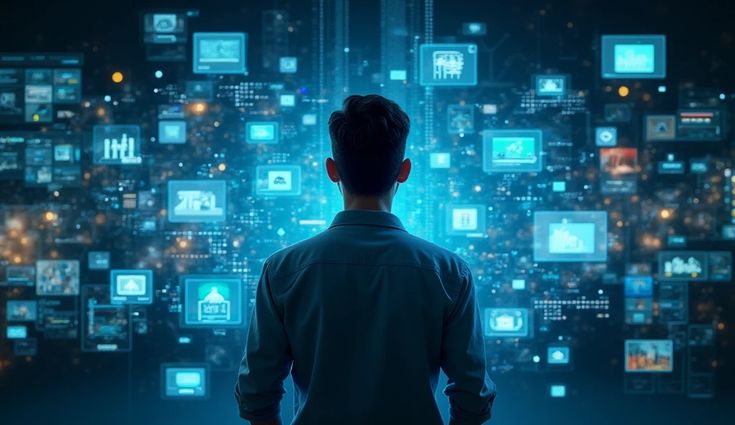
The workplace is evolving faster than ever, driven by rapid advancements in technology and digital transformation. Businesses across every industry are adopting digital tools to improve productivity, enhance customer experiences, and stay competitive. As a result, digital skills have become essential for professionals seeking long-term career success. Whether you are a student, job seeker, freelancer, or experienced employee, developing digital skills can open new opportunities and help you adapt to the changing job market.
What Are Digital Skills?
Digital skills refer to the ability to use technology, software, and online platforms effectively to perform tasks, solve problems, and communicate. These skills range from basic computer literacy and internet usage to advanced abilities such as data analysis, digital marketing, programming, cybersecurity, cloud computing, and artificial intelligence (AI).
As technology becomes integrated into nearly every profession, digital skills are no longer limited to IT specialists. They are valuable in healthcare, education, finance, manufacturing, retail, and many other industries.
Growing Demand Across Industries
Employers increasingly seek candidates with strong digital abilities because modern workplaces depend on technology. Businesses use digital tools for communication, project management, customer service, marketing, and decision-making.
Professionals with digital expertise often have access to more job opportunities, higher salaries, and better career advancement compared to those with limited technical knowledge.
Improving Employability
Digital skills make candidates more competitive in today’s job market. Employers value individuals who can quickly learn new software, analyze data, collaborate remotely, and use digital platforms efficiently.
Even positions that are not technology-focused often require familiarity with productivity software, online communication tools, and digital workflows.
Supporting Remote and Hybrid Work
Remote and hybrid work environments have become common across many industries. Employees now rely on video conferencing platforms, cloud storage, collaboration software, and project management tools to work effectively from different locations.
Strong digital skills allow professionals to remain productive, communicate efficiently, and adapt to flexible work arrangements.
Increasing Productivity
Technology helps employees complete tasks faster and more accurately. Digital skills enable workers to automate repetitive processes, organize information efficiently, create professional presentations, manage projects, and analyze business data.
Higher productivity benefits both employees and employers by reducing errors, saving time, and improving overall performance.
Opening Freelancing and Entrepreneurship Opportunities
Digital skills create opportunities beyond traditional employment. Freelancers can offer services such as graphic design, web development, content writing, digital marketing, video editing, and virtual assistance to clients around the world.
Entrepreneurs also benefit by using digital platforms to build websites, market products, manage online stores, and connect with customers globally.
Adapting to Emerging Technologies
Technologies such as artificial intelligence (AI), cloud computing, automation, blockchain, and the Internet of Things (IoT) are changing how businesses operate. Professionals who understand these technologies are better prepared for future workplace demands.
Continuous learning allows individuals to remain relevant as new digital tools and technologies emerge.
Strengthening Problem-Solving Skills
Digital literacy goes beyond using software. It also involves analyzing information, evaluating online resources, protecting data, and solving technical challenges efficiently.
Professionals with strong digital problem-solving abilities can adapt quickly to changing business environments and contribute to innovation.
Enhancing Communication and Collaboration
Modern organizations depend on digital communication tools for teamwork and information sharing. Email, instant messaging, video conferencing, and collaborative document editing allow employees to work together regardless of location.
Digital communication skills improve teamwork, increase efficiency, and help businesses operate smoothly in global markets.
Supporting Lifelong Learning
The internet provides unlimited access to educational resources, online courses, certifications, webinars, and professional communities. Digital skills enable individuals to learn continuously and update their knowledge throughout their careers.
Professionals who embrace lifelong learning are better positioned to adapt to industry changes and maintain long-term career growth.
Essential Digital Skills for Future Careers
While the specific skills needed vary by industry, several digital competencies are becoming increasingly valuable. These include computer literacy, data analysis, digital marketing, cybersecurity awareness, cloud computing, coding, project management software, AI tools, and effective online communication.
Developing a combination of technical knowledge and soft skills such as critical thinking and adaptability creates a strong foundation for future career success.
Challenges in Developing Digital Skills
Keeping up with rapidly changing technology can be challenging. New software, platforms, and industry standards emerge regularly, requiring continuous learning and practice.
However, with access to online learning platforms, professional certifications, and practical experience, individuals can gradually build the skills needed to remain competitive.
The Future of Digital Careers
As digital transformation continues, the demand for technology-related skills will only increase. Businesses will rely more heavily on automation, AI, cloud services, and data-driven decision-making, making digital literacy an essential requirement rather than an optional advantage.
Professionals who invest in digital education today will be better prepared for future job opportunities and career advancement.
Conclusion
Digital skills are critical for future careers because they improve employability, increase productivity, support remote work, and prepare professionals for rapidly changing technologies. Whether working in business, healthcare, education, finance, or creative industries, strong digital abilities provide a competitive advantage in the modern workplace. By continuously learning and adapting to new technologies, individuals can build successful and resilient careers in the digital economy.
Frequently Asked Questions (FAQs)
1. What are digital skills?
Digital skills are the abilities needed to use computers, software, online platforms, and digital technologies effectively for work, communication, and problem-solving.
2. Why are digital skills important for future careers?
Digital skills improve employability, increase productivity, support career growth, and help professionals adapt to technology-driven workplaces.
3. Which digital skills are most in demand?
Some of the most sought-after skills include digital marketing, data analysis, cybersecurity, cloud computing, coding, AI tools, project management software, and digital communication.
4. Can non-technical professionals benefit from digital skills?
Yes. Nearly every profession requires some level of digital literacy, including education, healthcare, finance, retail, customer service, and administration.
5. How do digital skills support remote work?
Digital skills help employees use collaboration tools, video conferencing platforms, cloud storage, and project management software to work efficiently from any location.
6. How can I improve my digital skills?
You can improve your skills through online courses, certifications, tutorials, workshops, hands-on projects, and regular practice with digital tools.
7. Are digital skills necessary for entrepreneurs?
Yes. Entrepreneurs use digital skills to create websites, manage online stores, market products, analyze customer data, and communicate with clients.
8. Will digital skills continue to be important in the future?
Yes. As technology continues to evolve, digital skills will remain essential for career success, business innovation, and long-term professional growth.