

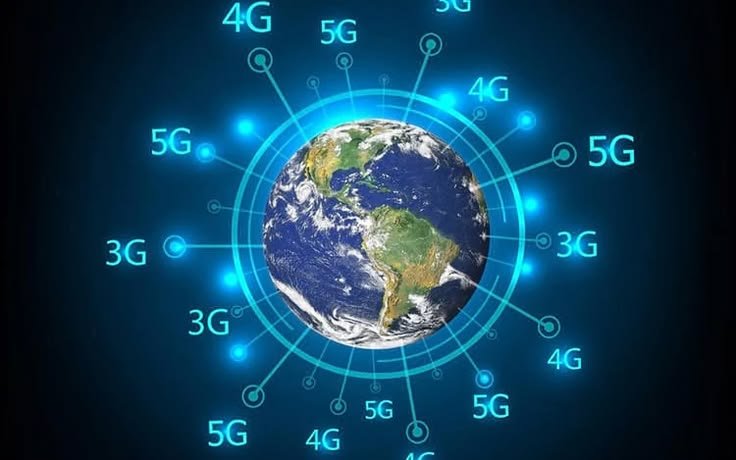
The expansion of 5G technology is transforming the way people communicate, work, and interact with digital services. As the fifth generation of mobile network technology, 5G offers significantly faster internet speeds, lower latency, and greater connectivity than previous generations. Governments, businesses, and telecommunications companies worldwide are investing heavily in 5G infrastructure to support the growing demand for data-driven applications and services.
The widespread adoption of 5G is expected to have far-reaching implications for economies, industries, and societies around the globe. From enabling smart cities to advancing healthcare and manufacturing, 5G is poised to become a cornerstone of the digital future.
Understanding 5G Technology
5G stands for the fifth generation of wireless communication technology. It is designed to provide faster data transmission, improved network reliability, and the ability to connect a massive number of devices simultaneously.
Unlike earlier network generations, 5G supports advanced technologies such as the Internet of Things (IoT), artificial intelligence (AI), autonomous vehicles, and real-time data processing. These capabilities make it a critical component of modern digital transformation initiatives.
The Growth of Global 5G Networks
Over the past few years, countries around the world have accelerated the deployment of 5G networks. Telecommunications providers are expanding coverage in urban and rural areas to meet increasing consumer and business demands.
Nations that successfully implement 5G infrastructure are expected to gain a competitive advantage in technology innovation and economic development. As coverage continues to expand, more individuals and organizations will gain access to enhanced digital services and applications.
Economic Benefits of 5G Expansion
The growth of 5G networks has the potential to generate significant economic benefits. Faster and more reliable connectivity can improve business productivity, support innovation, and create new revenue opportunities across multiple industries.
Small businesses and startups can leverage 5G technology to develop advanced digital solutions, while larger enterprises can optimize operations through automation and data analytics. The expansion of 5G is also expected to create jobs related to network deployment, maintenance, software development, and emerging technologies.
Impact on Smart Cities
One of the most promising applications of 5G is the development of smart cities. By enabling real-time communication between devices, sensors, and infrastructure, 5G helps cities improve efficiency and service delivery.
Smart traffic management systems can reduce congestion, while connected energy grids can optimize power usage. Public safety systems, environmental monitoring, and intelligent transportation networks can also benefit from the high-speed, low-latency capabilities of 5G technology.
Revolutionizing Healthcare
The healthcare sector stands to benefit significantly from the expansion of 5G networks. Faster data transmission allows healthcare professionals to access medical records, diagnostic information, and imaging results more efficiently.
5G can support telemedicine services, enabling remote consultations and improving healthcare access in underserved regions. Advanced applications such as remote surgery, wearable health devices, and real-time patient monitoring may become more practical and reliable with enhanced connectivity.
Advancing Industrial Automation
Manufacturing and industrial sectors are increasingly adopting automation technologies to improve efficiency and productivity. 5G enables seamless communication between machines, sensors, and control systems.
Factories equipped with 5G-connected devices can monitor production processes in real time, reduce downtime, and enhance operational performance. This technological advancement supports the growth of Industry 4.0 and smart manufacturing initiatives worldwide.
The Role of 5G in Emerging Technologies
Many emerging technologies depend on fast and reliable connectivity. Artificial intelligence, cloud computing, virtual reality, augmented reality, and autonomous vehicles require substantial data processing and communication capabilities.
5G provides the infrastructure necessary to support these innovations. As technology continues to evolve, the integration of 5G with advanced digital solutions is expected to unlock new possibilities across various sectors.
Challenges Facing 5G Deployment
Despite its benefits, the expansion of 5G faces several challenges. Building the required infrastructure can be costly, particularly in remote and rural areas. Telecommunications providers must invest in new equipment, network upgrades, and spectrum acquisition.
Security and privacy concerns also remain important considerations. As more devices become connected, protecting networks from cyber threats becomes increasingly critical. Governments and organizations must work together to establish strong cybersecurity frameworks and regulations.
Global Competition and Geopolitical Implications
The race to deploy 5G has become a significant aspect of international competition. Countries recognize the strategic importance of advanced telecommunications infrastructure for economic growth and national security.
As a result, 5G development has influenced global trade relationships, technology partnerships, and regulatory policies. Nations that lead in 5G innovation may gain advantages in emerging industries and digital transformation initiatives.
The Future of 5G Technology
The future of 5G extends beyond faster mobile internet. As networks mature and coverage expands, new applications and business models will continue to emerge. Enhanced connectivity will support innovations in education, transportation, entertainment, healthcare, and industrial operations.
Researchers are already exploring future communication technologies that may build upon the foundation established by 5G. However, for the foreseeable future, 5G will remain a key driver of digital innovation and global connectivity.
Conclusion
The expansion of 5G technology represents a major milestone in the evolution of global communications. Its ability to deliver faster speeds, lower latency, and enhanced connectivity is transforming industries and creating new opportunities for economic growth and technological advancement.
While challenges related to infrastructure, security, and regulation remain, the benefits of 5G are expected to outweigh these obstacles. As adoption continues to increase worldwide, 5G will play a central role in shaping the future of digital society and global innovation.
Frequently Asked Questions (FAQs)
1. What is 5G technology?
5G is the fifth generation of mobile network technology that provides faster internet speeds, lower latency, and improved connectivity compared to previous network generations.
2. How is 5G different from 4G?
5G offers significantly higher speeds, reduced delays in data transmission, greater network capacity, and improved support for connected devices and emerging technologies.
3. What industries benefit most from 5G?
Industries such as healthcare, manufacturing, transportation, telecommunications, education, and smart city development can benefit greatly from 5G technology.
4. How does 5G support the Internet of Things (IoT)?
5G enables millions of devices to connect simultaneously, making it ideal for IoT applications that require real-time communication and data exchange.
5. What are the main challenges of 5G deployment?
Major challenges include infrastructure costs, network security concerns, regulatory requirements, and expanding coverage to rural and remote areas.
6. Can 5G improve healthcare services?
Yes. 5G supports telemedicine, remote patient monitoring, faster access to medical data, and advanced healthcare technologies.
7. How does 5G contribute to economic growth?
5G promotes innovation, increases business productivity, creates jobs, and supports the development of new products and services.
8. What is the future of 5G?
The future of 5G includes expanded global coverage, greater integration with AI and IoT technologies, smarter infrastructure, and new digital applications across industries.