

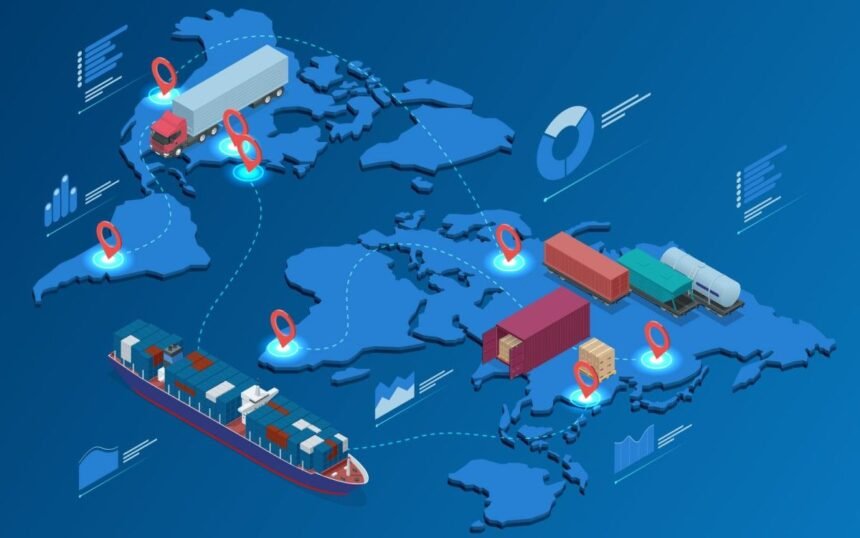
In today’s interconnected world, supply chains are the backbone of global trade and business operations. Products used daily—from food and medicine to electronics and automobiles—depend on complex networks of suppliers, manufacturers, transportation systems, and retailers. However, recent global events have exposed how fragile these systems can be.
From pandemics and geopolitical conflicts to natural disasters and shipping delays, supply chain disruptions have affected industries worldwide. Empty store shelves, rising prices, delayed deliveries, and manufacturing shortages have become familiar experiences for businesses and consumers alike. These disruptions have forced companies and governments to rethink how supply chains operate and how they can become more resilient in the future.
Understanding Supply Chain Disruptions
A supply chain disruption occurs when the normal flow of goods and services is interrupted. This interruption can happen at any stage, including production, transportation, storage, or distribution.
Modern supply chains often involve multiple countries and suppliers. A single product may require raw materials from one region, manufacturing in another country, and shipping across continents before reaching consumers. Because of this complexity, problems in one area can quickly affect the entire system.
Recent global events have shown that supply chains are highly vulnerable to unexpected crises. Businesses that relied heavily on limited suppliers or specific transportation routes faced major operational challenges when disruptions occurred.
The Impact of the COVID-19 Pandemic
The COVID-19 pandemic was one of the most significant supply chain disruptions in modern history. Lockdowns, factory closures, travel restrictions, and labor shortages created severe interruptions across industries.
Manufacturing centers in several countries temporarily shut down, reducing the production of essential goods. At the same time, consumer demand changed dramatically. Demand for medical supplies, household products, and online shopping increased rapidly, while industries such as travel and hospitality experienced sharp declines.
Ports became congested, shipping containers were delayed, and transportation costs rose significantly. Businesses struggled to keep products in stock, leading to shortages of electronics, vehicles, food items, and healthcare equipment.
The pandemic highlighted how dependent many economies had become on global supply networks and just-in-time inventory systems that left little room for unexpected disruptions.
Geopolitical Conflicts and Trade Tensions
Geopolitical events have also had major effects on supply chains. Trade disputes between countries, economic sanctions, and military conflicts can disrupt access to raw materials, manufacturing resources, and transportation routes.
For example, conflicts involving major energy-producing regions have contributed to rising fuel prices and transportation costs. Trade restrictions on critical materials such as semiconductors, metals, and agricultural products have affected industries around the world.
Businesses that depended heavily on suppliers from politically unstable regions faced increased uncertainty and delays. These events demonstrated the risks of concentrating production in limited geographic areas.
Natural Disasters and Climate Challenges
Natural disasters continue to threaten global supply chains. Hurricanes, floods, earthquakes, droughts, and wildfires can damage infrastructure, halt transportation, and disrupt manufacturing operations.
Climate change has increased concerns about the frequency and intensity of extreme weather events. Agricultural supply chains are especially vulnerable because changing weather conditions can reduce crop production and increase food prices.
Shipping routes have also been affected by environmental challenges. Severe weather conditions and disruptions in important waterways can delay international trade and create bottlenecks in global logistics systems.
These challenges have encouraged companies to consider sustainability and climate resilience as important parts of supply chain planning.
Key Lessons Learned from Recent Disruptions
One of the biggest lessons from recent global events is the importance of diversification. Companies that relied on a single supplier or region faced greater risks during disruptions. Many businesses are now seeking multiple suppliers across different locations to reduce dependency on one source.
Another lesson is the need for greater supply chain visibility. Businesses require real-time information about inventory levels, shipping status, and supplier performance. Advanced technologies such as artificial intelligence, cloud computing, and data analytics are helping companies monitor supply chains more effectively.
Inventory management strategies have also changed. Before recent disruptions, many companies used lean inventory systems to reduce storage costs. However, shortages revealed the risks of maintaining minimal stock levels. Businesses are now balancing efficiency with the need for backup inventory and emergency preparedness.
Flexibility has become another major priority. Companies that adapted quickly to changing market conditions were better able to manage disruptions. Flexible manufacturing systems, alternative transportation options, and digital business operations helped organizations respond more effectively during crises.
The Role of Technology in Supply Chain Resilience
Technology is playing a central role in strengthening supply chains. Artificial intelligence and predictive analytics help companies forecast demand, identify risks, and optimize logistics operations.
Automation in warehouses and manufacturing facilities can reduce dependence on manual labor and improve efficiency during labor shortages. Blockchain technology is also being explored to improve transparency and traceability across supply chains.
Digital communication platforms have made it easier for businesses to coordinate with suppliers and logistics partners worldwide. Real-time tracking systems allow companies to monitor shipments and respond quickly to delays or disruptions.
As supply chains become more digital, cybersecurity is becoming increasingly important. Cyberattacks targeting transportation systems, logistics companies, and supply chain software can create serious operational risks.
The Shift Toward Regionalization
Many companies are reconsidering globalization strategies and moving toward regional or local supply chains. This trend, often called regionalization or nearshoring, involves locating production closer to major markets.
Regional supply chains can reduce transportation costs, shorten delivery times, and lower exposure to international disruptions. Some governments are also encouraging domestic manufacturing for critical industries such as healthcare, energy, and technology.
While regionalization may improve resilience, it can also increase operational costs. Businesses must balance efficiency, cost management, and risk reduction when redesigning supply chain strategies.
The Future of Global Supply Chains
The future of supply chains will likely focus on resilience, adaptability, and sustainability. Businesses are expected to invest more in digital technologies, diversified sourcing, and risk management planning.
Global trade will continue to play an important role in the world economy, but companies may avoid excessive dependence on limited suppliers or regions. Collaboration between governments, manufacturers, and logistics providers will become increasingly important during global crises.
Consumers may also notice changes in product availability, pricing, and delivery expectations as businesses adjust supply chain models for greater stability.
Conclusion
Recent global events have revealed both the strengths and weaknesses of modern supply chains. The COVID-19 pandemic, geopolitical conflicts, natural disasters, and climate-related challenges disrupted industries across the world and demonstrated how interconnected economies truly are.
These disruptions taught businesses valuable lessons about diversification, flexibility, technology, and risk management. Companies are now working to build stronger and more resilient supply chains capable of handling future uncertainties.
As global trade continues to evolve, organizations that prioritize adaptability and innovation will be better prepared to manage future disruptions while maintaining stable operations and customer trust.
Frequently Asked Questions (FAQs)
What is a supply chain disruption?
A supply chain disruption is an interruption in the normal flow of goods, materials, or services within a supply network.
What caused recent global supply chain problems?
Major causes included the COVID-19 pandemic, geopolitical conflicts, shipping delays, labor shortages, natural disasters, and rising transportation costs.
How did the COVID-19 pandemic affect supply chains?
The pandemic caused factory closures, shipping delays, labor shortages, increased demand for certain products, and global transportation disruptions.
Why are global supply chains vulnerable?
Global supply chains are complex and interconnected, meaning disruptions in one region can quickly affect businesses and industries worldwide.
What is supply chain resilience?
Supply chain resilience refers to a company’s ability to prepare for, respond to, and recover from disruptions effectively.
How does technology help supply chains?
Technology improves forecasting, inventory management, shipment tracking, communication, and risk analysis through tools like AI and data analytics.
What is nearshoring in supply chains?
Nearshoring is the practice of moving production or suppliers closer to a company’s main market to reduce risks and transportation delays.
How can companies reduce supply chain risks?
Companies can reduce risks by diversifying suppliers, improving inventory management, investing in technology, and developing emergency response plans.