

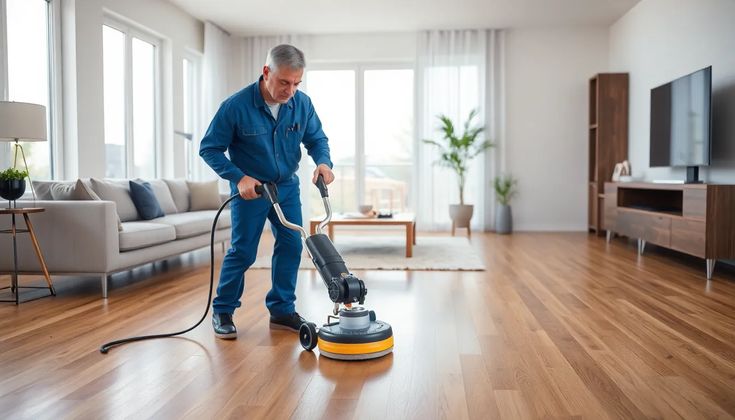
Your home’s floors are more than just a surface to walk on; they’re a foundational aspect of your living space, influencing both aesthetics and comfort. Whether you love the warm richness of hardwood, the cozy feel of carpet, or the sleek look of tile, keeping these surfaces in top condition is essential. Proper maintenance not only enhances their beauty but also extends their lifespan, saving you money in the long run.
In this guide, we’ll explore various flooring types and share practical tips for maintaining and protecting them. From everyday cleaning hacks to advice on preventing wear and tear during renovations, we’ve got all you need to keep your floors looking fabulous! Let’s dive into the world of flooring care together.
Common Types of Flooring Materials
When choosing flooring, various materials come into play. Each type offers unique benefits and aesthetics.
Hardwood flooring is timeless and brings warmth to any room. It’s durable but requires maintenance to keep its shine.
Laminate is a budget-friendly alternative that mimics the look of wood or stone without the hefty price tag. It’s easy to install and maintain, making it popular among homeowners.
Vinyl has gained traction for its resilience against moisture. Available in an array of designs, it’s perfect for kitchens or bathrooms where spills are common.
Tile provides versatility with endless patterns and textures. It’s sturdy and ideal for high-traffic areas like entryways.
Carpet adds comfort underfoot, creating cozy spaces in living rooms or bedrooms. With various colors available, it can easily match your decor style.
Each material serves a purpose depending on your lifestyle needs and design preferences.
Factors to Consider When Choosing Flooring
Choosing the right flooring for your home involves several key considerations. First, think about the room’s purpose. High-traffic areas like hallways need durable materials, while cozy spaces can benefit from softer options.
Next, consider your lifestyle. If you have pets or children, resilient and easy-to-clean floors are essential. Materials like vinyl or tile might be ideal in these situations.
Don’t forget aesthetics; the color and texture should complement your interior design. Whether it’s a rustic hardwood look or modern tiles, visualize how each option will fit into your space.
Budget is another important factor. Flooring varies widely in cost, so set a realistic budget before shopping around.
Climate plays a role too. Certain materials perform better in humid environments than others—an aspect worth considering when making your choice.
General Tips for Maintaining Floors
Regular cleaning is essential for floor maintenance. Sweep or vacuum your floors frequently to remove dirt and dust that can scratch surfaces over time.
For spills, act quickly. Blot the area with a clean cloth instead of rubbing it, which can worsen stains.
Use mats in high-traffic areas. They provide an extra layer of protection against wear and tear while keeping dirt at bay.
Consider applying protective coatings on hardwood or laminate floors. This can help resist scratches and moisture damage.
Keep furniture legs padded to prevent dents and scratches when moving items around the house. A few simple habits go a long way in preserving the beauty of your flooring for years to come.
Specific Tips for Different Types of Flooring (Hardwood, Carpet, Tile, etc.)
Hardwood floors add warmth to any room. Keep them looking pristine by sweeping regularly and using a damp mop with a gentle cleaner. Avoid excess water, as it can warp the wood.
Carpets require special attention. Vacuum frequently to remove dirt and allergens. For stains, blot immediately with cold water or a carpet cleaner formulated for your specific type of carpet. Steam cleaning every year helps revive fibers.
Tile flooring is durable but can accumulate grime in grout lines. Scrub these areas with a mixture of baking soda and vinegar for an effective clean without harsh chemicals. A soft cloth or sponge will do wonders on glossy tiles.
Laminate floors are sensitive to moisture too but are easier to maintain than hardwoods. Use a microfiber mop for daily cleaning, ensuring not to soak the surface during the process.
Different materials need tailored care; knowing how to treat each one keeps your home inviting and stylish.
Preventing Damage and Wear on Floors
To keep your floors looking pristine, prevention is key. Start by placing mats at entryways to catch dirt and debris before it enters your home. This simple step can drastically reduce wear and tear.
Consider using furniture pads under chairs and tables. They create a barrier between heavy items and the floor surface, minimizing scratches. Regularly rearranging furniture can also help distribute pressure evenly.
When moving objects across the floor, lift rather than drag them. This helps avoid unnecessary scuff marks or gouges that can mar surfaces over time.
Be mindful of water spills too; they can lead to damage if not addressed promptly. Clean up any liquid immediately to prevent mold or warping, especially on wood floors.
Routine maintenance is essential as well. Dusting regularly removes particles that could scratch your flooring when walked on, maintaining its beauty for years to come.
Protecting Floors During Renovations or Moving Furniture
Renovations can be exciting, but they also pose a risk to your flooring. To keep your floors safe during this process, start by covering them with protective materials. Use old blankets or moving pads to shield against scratches and spills.
When moving furniture, always lift rather than drag. This method prevents scuffs and gouges that can mar the surface of hardwood or tile. For heavier items, consider using sliders or dollies to make transportation easier while safeguarding your flooring.
Don’t forget about dust! Renovation work generates debris that settles on surfaces and can scratch floors over time. Regularly clean up any mess with a vacuum designed for hard surfaces.
Avoid wearing shoes indoors if possible during renovations. Shoes can track in dirt and grit that damage floors more quickly than you might expect. Protecting your investment starts with these simple steps.
DIY Cleaning Solutions for Different Types of Stains
When it comes to tackling stains, a little creativity can go a long way. For carpet stains, mix white vinegar and water in equal parts. Apply the solution with a cloth and gently blot the area until the stain lifts.
For hardwood floors, olive oil combined with vinegar works wonders on scuff marks. Just two tablespoons of olive oil mixed with one cup of vinegar is all you need. Rub it into the affected area using a soft cloth to restore shine.
Tile surfaces benefit from baking soda paste. Combine baking soda and water for an effective scrub that removes grime from grout lines.
Don’t overlook glass cleaner either! It’s excellent for removing sticky residue from various surfaces without leaving streaks behind. Each solution highlights how simple ingredients can effectively tackle tough challenges around your home.
Professional Floor Maintenance Services
Investing in professional floor maintenance services can save time and enhance the longevity of your floors. Experts have the right tools and knowledge to tackle tough issues that DIY methods often overlook.
These professionals assess your specific flooring type, whether it’s hardwood, tile, or carpet. They use tailored techniques for cleaning and restoring surfaces without causing damage.
Regular maintenance from trained specialists can prevent wear and tear. This includes deep cleaning, refinishing, or even repairing scratches and dents.
Moreover, they stay updated on the latest products that are safe for both your home environment and flooring materials. Their expertise ensures a thorough job that not only cleans but also protects your investment.
Choosing to hire these services means giving your floors the care they deserve while freeing up your time for other important tasks around the house.
Conclusion: The Importance of Proper
Proper maintenance and protection of your home’s floors is essential for preserving their beauty and longevity. Each type of flooring has its unique needs, but the fundamentals remain similar across materials. Consistent cleaning routines, protective measures during renovations, and prompt attention to spills can make a significant difference.
Investing time in floor care not only enhances the aesthetic appeal of your home but also adds value over time. Whether you choose to handle maintenance yourself or enlist professional help, recognizing the importance of proper upkeep will ensure that your floors continue to look great for years to come. A well-cared-for floor is more than just a surface; it’s an integral part of creating a welcoming atmosphere in your home.