

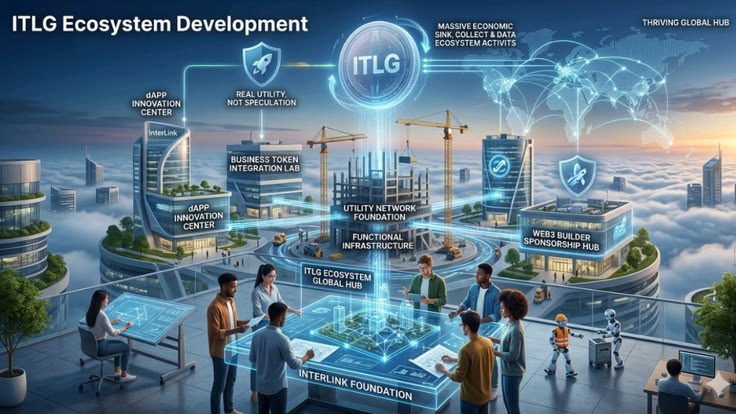
The startup ecosystem has transformed the global economy by fostering innovation, creating jobs, and introducing groundbreaking technologies. From small garage-based businesses to billion-dollar unicorns, startups have reshaped industries ranging from technology and healthcare to finance and e-commerce. While startups may seem like a modern phenomenon, their roots stretch back several decades, evolving alongside advancements in technology, investment, and entrepreneurship.
This article explores the complete history of the startup ecosystem, highlighting its major milestones, influential companies, and the trends that continue to shape the entrepreneurial landscape.
What Is a Startup Ecosystem?
A startup ecosystem is a network of entrepreneurs, investors, educational institutions, government agencies, mentors, accelerators, incubators, service providers, and customers that support the creation and growth of new businesses.
A healthy startup ecosystem provides entrepreneurs with access to funding, talent, infrastructure, mentorship, and market opportunities. These interconnected elements help startups grow faster and overcome the challenges of launching innovative businesses.
The Early Foundations (1940s–1960s)
The modern startup ecosystem began to take shape after World War II. Governments invested heavily in scientific research and technological innovation, leading to breakthroughs in electronics, computing, and aerospace.
Universities became major centers for innovation, with researchers developing technologies that later formed the basis for commercial businesses. During this period, investors also began funding high-risk technology ventures, laying the groundwork for what would become venture capital.
One of the most significant developments was the emergence of technology clusters, where businesses, universities, and investors collaborated closely.
The Rise of Silicon Valley (1970s–1980s)
The 1970s marked the birth of Silicon Valley as the world’s leading startup hub. Rapid advances in semiconductor technology and personal computing created enormous opportunities for entrepreneurs.
Companies such as Apple, Microsoft, Intel, and Oracle demonstrated that startups could grow into global corporations. Their success inspired a new generation of founders and attracted increasing amounts of venture capital.
During this era, venture capital firms became more organized, providing startups not only with funding but also with strategic guidance, business expertise, and valuable industry connections.
The Internet Revolution (1990s)
The commercialization of the internet dramatically changed entrepreneurship. The launch of the World Wide Web created countless opportunities for digital businesses.
Startups focused on online shopping, search engines, web hosting, and digital communication attracted substantial investor interest. Entrepreneurs could now reach global customers without establishing physical retail locations.
The rapid growth of internet companies led to the dot-com boom, during which investors poured billions into technology startups.
The Dot-Com Bubble and Recovery (2000–2005)
By the early 2000s, many internet companies had received investments despite lacking sustainable business models. This speculation resulted in the dot-com bubble, which eventually burst in 2000.
Thousands of startups failed, and investors became far more selective. However, the downturn also taught entrepreneurs valuable lessons about sustainable growth, profitability, and long-term planning.
The companies that survived emerged stronger and laid the foundation for the next generation of successful startups.
The Social Media and Mobile Era (2005–2015)
The widespread adoption of smartphones and social media platforms created entirely new business opportunities.
Startups began developing mobile applications, cloud-based software, digital advertising platforms, online marketplaces, and sharing economy services. Businesses could scale rapidly while reaching millions of users through mobile devices.
Cloud computing also reduced infrastructure costs, making it easier for entrepreneurs to launch companies with limited initial capital.
The Rise of Unicorns (2015–2020)
As venture capital funding increased, startups began reaching billion-dollar valuations at unprecedented rates. These privately held companies became known as “unicorns.”
During this period, startup ecosystems expanded beyond Silicon Valley. Cities such as London, Singapore, Berlin, Bangalore, Toronto, and Tel Aviv developed thriving entrepreneurial communities supported by investors, universities, and government initiatives.
Remote work technologies and digital collaboration tools further enabled startups to recruit talent globally.
The Modern Startup Ecosystem (2020–Present)
Today’s startup ecosystem is more diverse and globally connected than ever before. Entrepreneurs can build companies from almost anywhere while accessing customers, investors, and employees worldwide.
Several trends define the modern startup landscape:
- Artificial intelligence is transforming industries through automation and data-driven decision-making.
- Remote and hybrid work models have become common for startup teams.
- Climate technology and sustainable innovation are attracting increasing investment.
- Fintech continues to reshape banking, payments, and financial services.
- Healthcare technology has accelerated through telemedicine, digital diagnostics, and biotechnology.
Governments and private organizations are also investing more resources into startup accelerators, incubators, and innovation hubs to encourage entrepreneurship.
Key Components of a Successful Startup Ecosystem
A thriving startup ecosystem depends on collaboration among multiple stakeholders rather than a single source of support.
Entrepreneurs bring innovative ideas and execution. Investors provide capital and strategic guidance. Universities contribute research and skilled graduates. Governments establish policies that encourage business creation, while accelerators and incubators offer mentorship, networking, and early-stage support.
Together, these participants create an environment where startups can innovate and scale more effectively.
Challenges Facing Startups Today
Despite greater opportunities, startups continue to face significant challenges. Access to funding remains competitive, especially during periods of economic uncertainty. Recruiting skilled employees, maintaining rapid growth, complying with regulations, and managing increasing competition require strong leadership and careful planning.
Cybersecurity, data privacy, and changing customer expectations have also become important priorities for modern startups.
The Future of the Startup Ecosystem
The startup ecosystem will continue evolving as emerging technologies reshape industries. Artificial intelligence, robotics, blockchain, quantum computing, biotechnology, renewable energy, and space technology are expected to create entirely new entrepreneurial opportunities.
Cross-border collaboration, digital investment platforms, and remote-first businesses will likely make entrepreneurship even more accessible to founders worldwide.
While technology will continue to change, the core principles of innovation, problem-solving, adaptability, and customer focus will remain central to startup success.
Conclusion
The history of the startup ecosystem reflects decades of innovation, resilience, and continuous evolution. From post-war research laboratories to today’s globally connected technology companies, startups have consistently driven economic growth and transformed the way people live and work.
As technology advances and new industries emerge, the startup ecosystem will remain one of the most important engines of innovation, offering entrepreneurs unprecedented opportunities to solve global challenges and build the next generation of successful businesses.
Frequently Asked Questions (FAQs)
1. What is a startup ecosystem?
A startup ecosystem is a network of entrepreneurs, investors, mentors, educational institutions, government organizations, accelerators, incubators, and service providers that support the creation and growth of startups.
2. Why is Silicon Valley important in startup history?
Silicon Valley became the world’s leading technology and innovation hub by bringing together talented entrepreneurs, venture capital firms, universities, and major technology companies.
3. What caused the dot-com bubble?
The dot-com bubble occurred because investors heavily funded internet companies without sustainable business models. When many of these businesses failed to generate profits, the market experienced a major correction.
4. What is a unicorn startup?
A unicorn is a privately owned startup valued at $1 billion or more before going public or being acquired.
5. How has artificial intelligence influenced startups?
Artificial intelligence enables startups to automate tasks, analyze large amounts of data, improve customer experiences, and create innovative products across industries.
6. What role do venture capital firms play in the startup ecosystem?
Venture capital firms provide funding, mentorship, strategic advice, networking opportunities, and business expertise to help startups grow rapidly.
7. What does the future of the startup ecosystem look like?
The future is expected to include greater adoption of artificial intelligence, sustainable technologies, remote work, biotechnology, blockchain, and global collaboration, creating new opportunities for entrepreneurs and investors alike.