

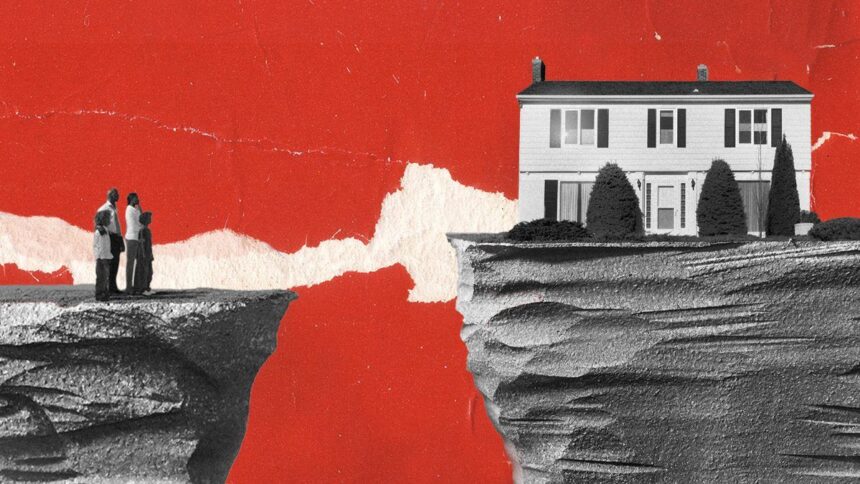
Housing is a fundamental human need, yet millions of people around the world struggle to find affordable and adequate homes. The global housing crisis has become one of the most pressing social and economic challenges of the 21st century. From major cities in North America and Europe to rapidly growing urban centers in Asia, Africa, and Latin America, rising housing costs are outpacing incomes, leaving many individuals and families burdened by high rents, overcrowded living conditions, or homelessness.
Understanding the causes of this crisis is essential for developing effective and sustainable solutions.
What Is the Global Housing Crisis?
The global housing crisis refers to the growing gap between the availability of affordable housing and the number of people who need it. In many regions, home prices and rental costs have increased significantly, while wages have not kept pace. As a result, homeownership has become increasingly difficult, and affordable rental options are often limited.
The crisis affects people across income levels but has the greatest impact on low- and middle-income households, young adults, and vulnerable populations.
Major Causes of the Housing Crisis
Population Growth and Urbanization
Rapid population growth and migration toward cities have increased demand for housing. Urban areas attract people seeking employment, education, and better living standards, but housing construction often fails to keep up with this demand.
As cities expand, available land becomes scarce and more expensive, driving up housing costs.
Limited Housing Supply
Many countries face shortages in housing construction due to restrictive zoning laws, lengthy approval processes, labor shortages, and rising material costs. When supply grows more slowly than demand, prices naturally increase.
A lack of new affordable housing developments further worsens the problem.
Rising Construction Costs
The cost of building homes has increased significantly due to inflation, higher labor expenses, and more expensive building materials. Developers often focus on luxury or high-profit projects rather than affordable housing because these projects generate greater returns.
Real Estate Speculation
In many cities, housing has become an investment asset rather than simply a place to live. Investors and large corporations purchase properties to generate profits, sometimes leaving homes vacant or converting them into short-term rentals.
This practice can reduce the number of homes available for local residents and contribute to rising prices.
Income Inequality
While housing costs continue to rise, wage growth has remained relatively slow in many regions. This growing gap makes it increasingly difficult for workers to afford housing near their jobs and communities.
Income inequality also limits access to mortgages and long-term housing security.
Insufficient Government Policies
In some countries, housing policies have not adapted to changing economic and demographic conditions. Limited public investment in affordable housing, inadequate tenant protections, and outdated planning regulations can contribute to housing shortages and affordability challenges.
Social and Economic Consequences
The housing crisis affects more than just housing markets. It has broad social and economic implications.
High housing costs can force families to spend a large portion of their income on rent or mortgage payments, leaving less money for healthcare, education, and savings. Homelessness and housing insecurity may increase, while overcrowded living conditions can negatively impact physical and mental health.
Businesses may also struggle to attract workers when employees cannot afford to live near employment centers. This can reduce economic productivity and contribute to labor shortages.
Possible Solutions
Increasing Housing Supply
Governments and private developers can work together to accelerate housing construction. Streamlining planning approvals, encouraging higher-density development, and investing in infrastructure can help increase the number of available homes.
Expanding Affordable Housing Programs
Public investment in affordable housing projects can provide stable housing options for low- and middle-income families. Housing subsidies and rental assistance programs can also improve affordability.
Reforming Zoning Regulations
Many cities restrict the construction of multi-family housing or higher-density developments. Modernizing zoning laws can allow for more diverse housing options and better use of available land.
Encouraging Sustainable Development
Sustainable construction methods and innovative building technologies can reduce costs and improve efficiency. Modular and prefabricated housing solutions may help increase housing production while minimizing environmental impacts.
Strengthening Tenant Protections
Policies that protect renters from unfair evictions and excessive rent increases can provide greater housing stability while maintaining a balanced rental market.
Addressing Speculation
Governments may implement measures such as taxes on vacant properties or regulations on speculative investment practices to ensure housing remains accessible to residents rather than being treated solely as a financial asset.
The Role of Governments, Businesses, and Communities
Solving the housing crisis requires cooperation among governments, private developers, financial institutions, and local communities. Governments can create supportive policies, businesses can invest in housing development, and communities can participate in planning processes that reflect local needs.
No single solution will solve the crisis on its own. A combination of policy reforms, investment, and innovation is necessary to create long-term improvements.
Conclusion
The global housing crisis is a complex challenge driven by population growth, limited housing supply, rising construction costs, income inequality, and policy shortcomings. Its effects extend beyond housing, influencing economic stability, public health, and social well-being.
While the problem is significant, it is not insurmountable. By increasing housing supply, expanding affordable housing initiatives, reforming regulations, and promoting sustainable development, societies can work toward ensuring that safe, affordable housing is accessible to all.
Frequently Asked Questions (FAQs)
1. What is the global housing crisis?
The global housing crisis refers to the shortage of affordable and accessible housing in many countries, resulting in rising home prices, increasing rents, and housing insecurity.
2. Why are housing prices rising worldwide?
Housing prices are increasing due to high demand, limited supply, urbanization, rising construction costs, and real estate investment activities.
3. Who is most affected by the housing crisis?
Low-income households, middle-income families, young adults, renters, and vulnerable populations are often the most affected.
4. How does the housing crisis impact the economy?
High housing costs can reduce consumer spending, increase labor shortages, limit workforce mobility, and contribute to economic inequality.
5. Can governments solve the housing crisis alone?
No. Governments play a critical role, but effective solutions also require participation from private developers, financial institutions, and local communities.
6. What are some long-term solutions?
Long-term solutions include building more housing, expanding affordable housing programs, reforming zoning laws, improving tenant protections, and encouraging sustainable development practices.
7. Why is affordable housing important?
Affordable housing promotes economic stability, improves public health outcomes, reduces homelessness, and helps create stronger and more inclusive communities.